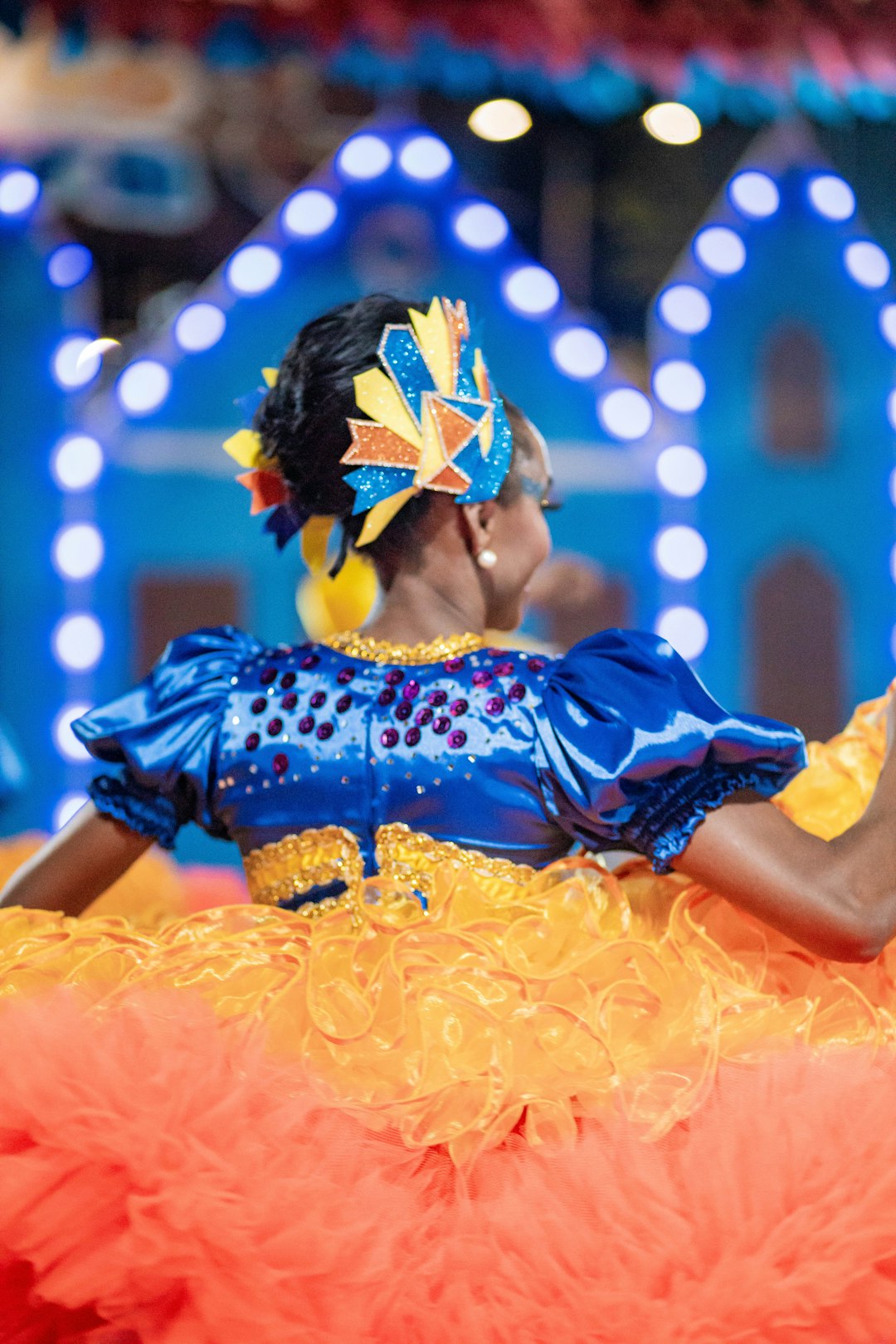
Flamenco is a passionate and expressive dance form that demands control, precision, and emotional authenticity. Originating from the Roma communities of Andalusia in southern Spain, this art form has evolved over centuries, weaving together Jewish, Moorish, and African influences into something unmistakably its own. If you're ready to begin your flamenco journey, this guide will help you build a foundation that respects both the technique and the living culture behind it.
What Is Flamenco? Understanding the Art Form
Before stepping into a studio, it's essential to understand what you're actually learning. Flamenco is not a single dance but a family of styles known as palos—each with distinct rhythmic structures, emotional qualities, and regional origins. The soleá, with its solemn 12-count rhythm, carries a weight entirely different from the playful 4-count tangos or the lightning-fast bulerías.
At its core, flamenco operates as a triangle of expression: the dancer (bailaor/bailaora), the singer (cante), and the guitarist. These elements don't merely accompany each other; they engage in spontaneous dialogue. The dancer becomes both percussionist and storyteller, using the body as an instrument that responds to—and sometimes challenges—the music.
This communal dimension extends beyond the stage. Flamenco remains fundamentally convivencia: a shared experience rooted in the traditional juerga, informal gatherings where technique serves expression rather than spectacle. Understanding this social dimension transforms mechanical practice into meaningful art.
Before You Begin: Preparation and Safety
Essential Footwear
Your first investment should be proper practice shoes. Look for:
- Heel height: 1.5–2 inches of sturdy, stacked wood or leather
- Sole: Leather or suede that allows controlled sliding
- Construction: Secure ankle support with a snug fit
Avoid street shoes, which lack the necessary sound quality and can damage studio floors. Running shoes or flimsy character shoes risk ankle injury and prevent proper technique development.
Space and Surface
Flamenco footwork generates significant impact. Practice on sprung wood floors when possible; concrete or tile will damage your joints. Ensure adequate space—at least 6×6 feet—to execute turns and traveling steps safely.
Physical Considerations
The percussive nature of zapateado (footwork) places stress on knees, ankles, and lower back. Warm up thoroughly, strengthen your core, and stop immediately if you experience sharp pain. Building endurance gradually prevents the chronic injuries common among rushed beginners.
Core Techniques: Building Your Foundation
Posture and Alignment: Tajo
Every flamenco movement emerges from a grounded, lifted center. The tajo position establishes this foundation:
Stand with feet together, weight distributed evenly across both feet. Soften the knees slightly—never locked, never deeply bent. Lift through the sternum, creating space between ribs and hips. Arms extend from the back, elbows bent at approximately 90 degrees, wrists positioned neither rigid nor collapsed. The head remains level, gaze direct.
This posture should feel simultaneously anchored and alert, ready to release into movement or freeze into dramatic stillness.
Footwork (Zapateado): From Sound to Speed
Begin with the golpe (full foot stamp):
- Lift one foot approximately 6 inches from the floor
- Strike the ground with the entire foot landing simultaneously—never heel first
- Generate sound from the leg's weight, not just the foot
- Alternate feet to a slow 4-count until each strike produces a crisp, consistent tone
Only when your golpe is clean should you progress to planta (ball of foot) and tacón (heel) strikes, then begin combining them into basic patterns.
Arm Work (Braceo): Beyond "Flicking Wrists"
The term "flicking" diminishes the intentional, expressive quality of flamenco arm movement. Instead, practice braceo as continuous energy traveling from the back, through the shoulder, to the fingertips:
- Initiation: Movement begins in the shoulder blade, not the hand
- Path: Arms travel in elliptical patterns, never linear or jerky
- Wrists: Flexible but controlled, with fingers extending the line rather than curling arbitrarily
- Expression: The same arm gesture conveys different emotions depending on speed, tension, and relationship to the torso
Practice in front of a mirror, ensuring both sides develop equally. Asymmetrical strength is common and correctable through conscious repetition.
Understanding Compás: The Rhythmic Skeleton
Compás is not merely "rhythmic structure" but the breathing organism of flamenco music. Without internalizing it, technique remains mechanical.
Start with