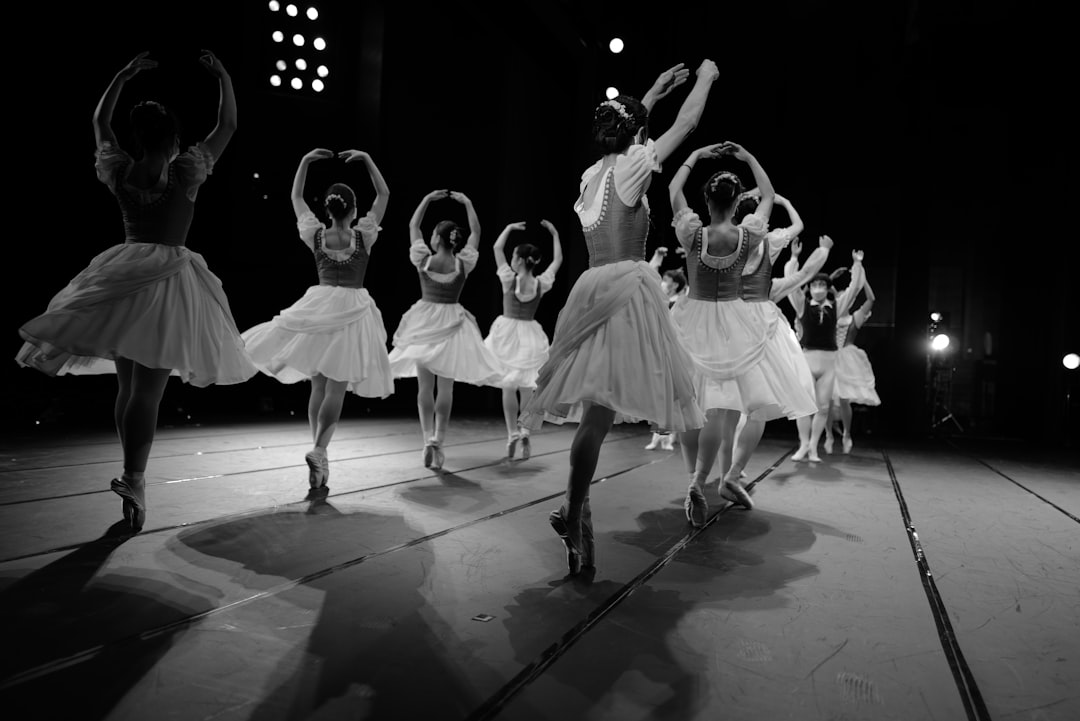
Born in the tablaos and peñas of Andalusia, flamenco emerged from the fusion of Romani, Moorish, and Spanish cultures—a living art form where song (cante), guitar (toque), and dance (baile) converge. For the bailaor or bailaora (dancer), mastery demands not just physical technique but duende—the profound emotional authenticity that separates movement from art. This guide establishes your foundation: proper posture, rhythmic precision (compás), and the essential vocabulary that will serve every level of your flamenco journey.
Understanding Flamenco's Core: Compás and the Palo System
Before your first step, you must understand what makes flamenco unlike any other dance: compás—the 12-beat rhythmic cycle that governs every movement. Most flamenco forms (palos) follow this structure, with accents on beats 12, 3, 6, 8, and 10. Without compás, even perfect technique remains hollow.
The palo system organizes flamenco by rhythm, mood, and origin. As a beginner, focus on these accessible forms:
| Palo | Character | Best For |
|---|---|---|
| Tangos | 4/4 rhythm, playful, earthy | Learning basic compás |
| Rumba | Popular, accessible, festive | Building confidence |
| Soleá | 12-beat, solemn, profound | Developing duende |
| Alegrías | 12-beat, bright, celebratory | Mastering compás complexity |
Listen extensively to each palo until you can clap (palmas) the rhythm without thinking. This internalization precedes all physical training.
Step 1: Establish Your Foundation—Posture and Marcaje
Flamenco posture rejects ballet's vertical lift. Instead, ground yourself: weight forward over the balls of your feet, knees soft and responsive, tailbone heavy, torso lifted from the solar plexus. This "coiled spring" readiness enables both explosive footwork and sustained, controlled movement.
Marcaje (Marking Steps)
Marcaje establishes your relationship to compás through deliberate, rhythmic walking. Unlike casual walking, each step claims space and time intentionally.
Exercise: Basic Marcaje in Soleá Compás
Stand in flamenco posture. Step forward with your right foot on beat 12, transferring weight fully. Pause on 1. Step with your left on 2, pause on 3. Continue: right on 4, left on 5, right on 6—then three quick steps (7, 8, 9) before a deliberate final step on 10. Beats 11 and 12 remain empty, creating the characteristic "breath" of soleá.
Practice first without music, counting aloud. Add palmas (hand clapping) on the accented beats. Only then introduce recorded soleá.
Step 2: Develop Zapateado—The Art of Footwork
Zapateado (footwork) provides flamenco's percussive voice. The feet become instruments, articulating rhythm with crystal clarity. Precision matters more than speed; a slow, clean strike surpasses a rushed flurry.
Essential Strikes
| Term | Technique | Sound Quality |
|---|---|---|
| Golpe | Full foot stamp | Deep, resonant boom |
| Tacón | Heel strike | Sharp, penetrating crack |
| Punta | Ball of foot strike | Bright, forward click |
| Planta | Whole foot strike | Muted, controlled thud |
Foundational Exercise: Zapateo Progression
Begin seated, striking tacón-punta alternately. Feel the difference: heel back and down, ball of foot forward and up. Once clean, stand with support (barre or wall). Strike tacón with your right foot on beat 12, punta on 1. Repeat left foot on 2-3. Build to alternating tacón-punta-tacón-punta across four beats.
Mirror work is essential here. Flamenco footwork is visually asymmetrical—what feels balanced may appear twisted. Check your alignment: hips level, shoulders square, energy rising through the torso despite the downward strike.
Step 3: Master Brazos—Arms with Intention
Flamenco arms (brazos) frame and punctuate movement rather than








