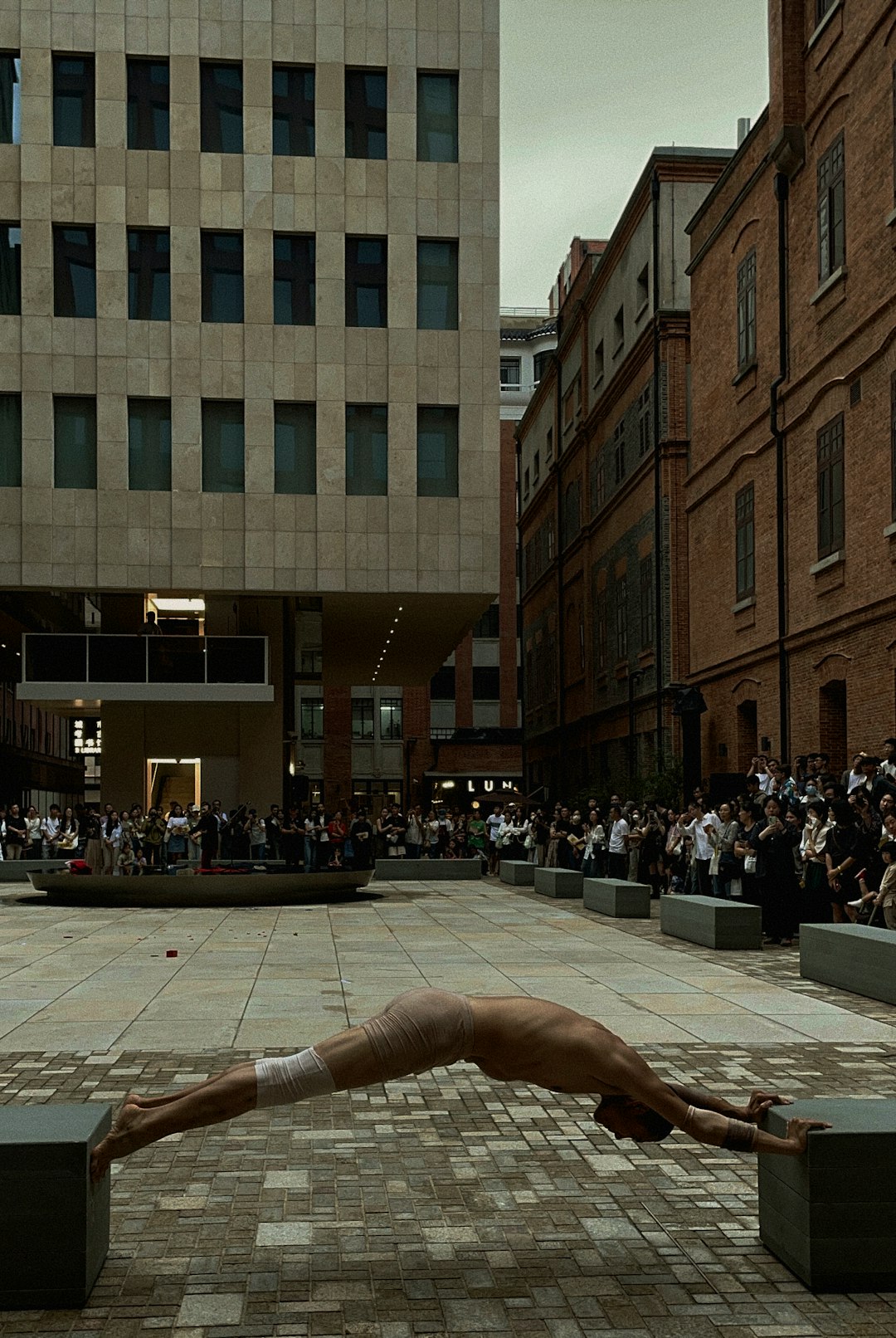
Flamenco emerged in 18th-century Andalusia, forged through the cultural fusion of Romani, Moorish, Jewish, and Spanish communities. While internationally celebrated for its explosive footwork and swirling skirts, authentic flamenco (cante jondo) remains an intimate conversation between dancer, singer, guitarist, and audience—a dialogue you'll join as you build your technical foundation.
Whether you're stepping into your first class or practicing at home, these five fundamentals will establish the groundwork for authentic expression.
1. Footwork (Zapateado)
Precise footwork anchors every flamenco performance. Rather than generic "stamping," flamenco technique isolates three distinct strikes:
| Term | Strike Zone | Sound Quality |
|---|---|---|
| Tacón | Heel | Sharp, resonant crack |
| Punta | Ball of foot | Clean, forward attack |
| Golpe | Whole foot | Full, grounded thud |
Beginner drill: Practice seated zapateado combinations—alternating heel-toe patterns—to develop ankle control and rhythmic accuracy before adding the complexity of standing balance. Try this pattern: tacón-punta-tacón-golpe (1-2-3-4), gradually increasing speed while maintaining clarity.
2. Arms and Hands (Braceo and Floreo)
Flamenco arms (braceo) and hand movements (floreo) frame the dance's emotional narrative. Unlike ballet's lifted elegance or jazz's loose athleticism, flamenco technique demands specific mechanical principles:
- Elbow leadership: Movement initiates from the elbow, never the wrist
- Circular pathways: Trace large, outward-expanding circles from your solar plexus
- Energized fingers: Fingers remain engaged and slightly separated, never rigid or floppy
Practice sequence: Stand with shoulders relaxed. Lead with your right elbow, arc outward to shoulder height, rotate palm outward at the apex, then spiral inward. Repeat with left arm, then alternate in continuous flow. Mirror work is essential—flamenco is performed, not practiced in a vacuum.
3. Body Movement and Posture (Técnica de Cuerpo)
The flamenco body operates in dynamic tension: rooted stability against expressive release. Master these elements:
Core posture: Lift through the ribcage, shoulders broad but dropped, weight slightly forward over the balls of your feet. This "ready" stance enables both rapid footwork and dramatic stillness.
Contratiempo: The counter-rhythm work that distinguishes flamenco from other dance forms. Your body responds to rhythmic subdivisions the feet don't mark—shoulder accents, torso isolations, head snaps that punctuate musical phrases.
Desplante: A dramatic pose or "confrontation" with the audience, typically held on a musical accent. Practice transitioning smoothly into and out of these frozen moments; they require as much technical control as movement.
4. Rhythm and Musicality (Compás)
Compás encompasses not merely "rhythm patterns" but the complete 12-beat (or 4-beat) cyclic structure underlying flamenco. Understanding compás separates technical execution from authentic expression.
Beginner-friendly palos (rhythmic families):
- Tangos: 4-count, accessible, earthy—ideal for first compás study
- Soleá: 12-count, solemn and profound—the "mother" of flamenco forms
Clapping practice (Palmas): Flamenco musicianship begins with your hands.
| Technique | Method | Purpose |
|---|---|---|
| Palmas sordas | Muffled claps on thighs | Internalizing steady rhythm |
| Palmas claras | Sharp, full-hand strikes | Marking accents and remates (breaks) |
Count aloud while clapping: for soleá, emphasize beats 3, 6, 8, 10, 12. Record yourself—flamenco compás is unforgiving, and honest self-assessment accelerates progress.
5. Listening and Musical Integration
Before complex choreography, train your ear to the cuadro flamenco—the complete artistic circle of singer (cante), guitarist (toque), and dancer (baile).
Essential listening for beginners:
- Camarón de la Isla (revolutionary cante)
- Paco de Lucía (foundational toque)
- Mario Maya or Cristina Hoyos (contemporary baile reference)
Attend live performances when










