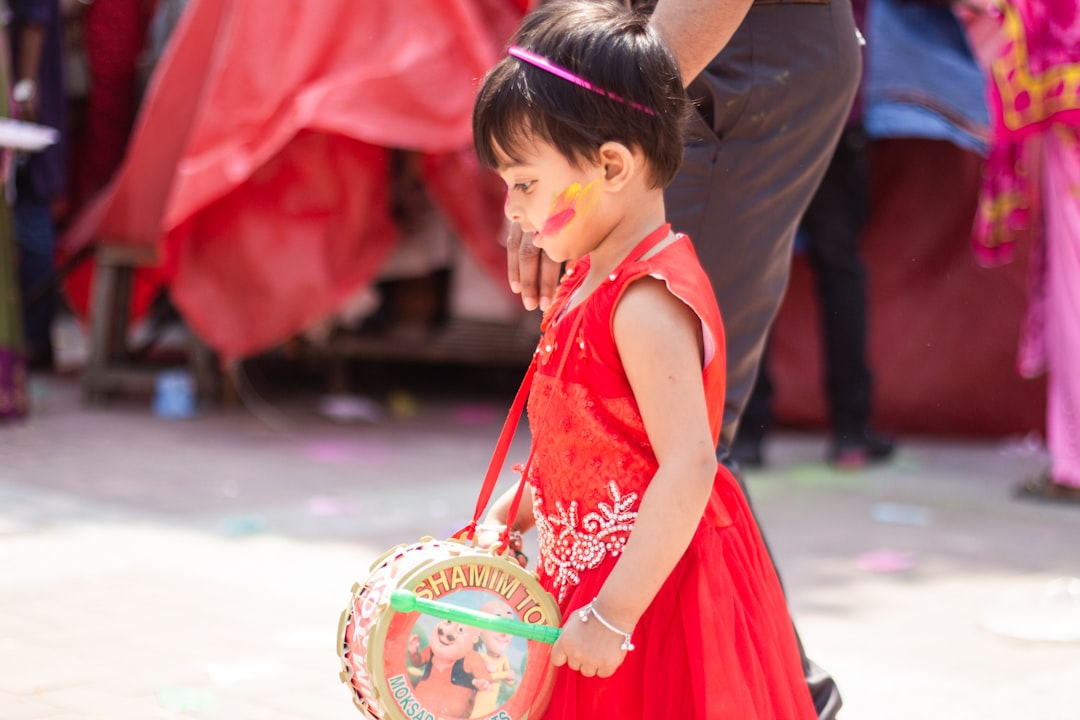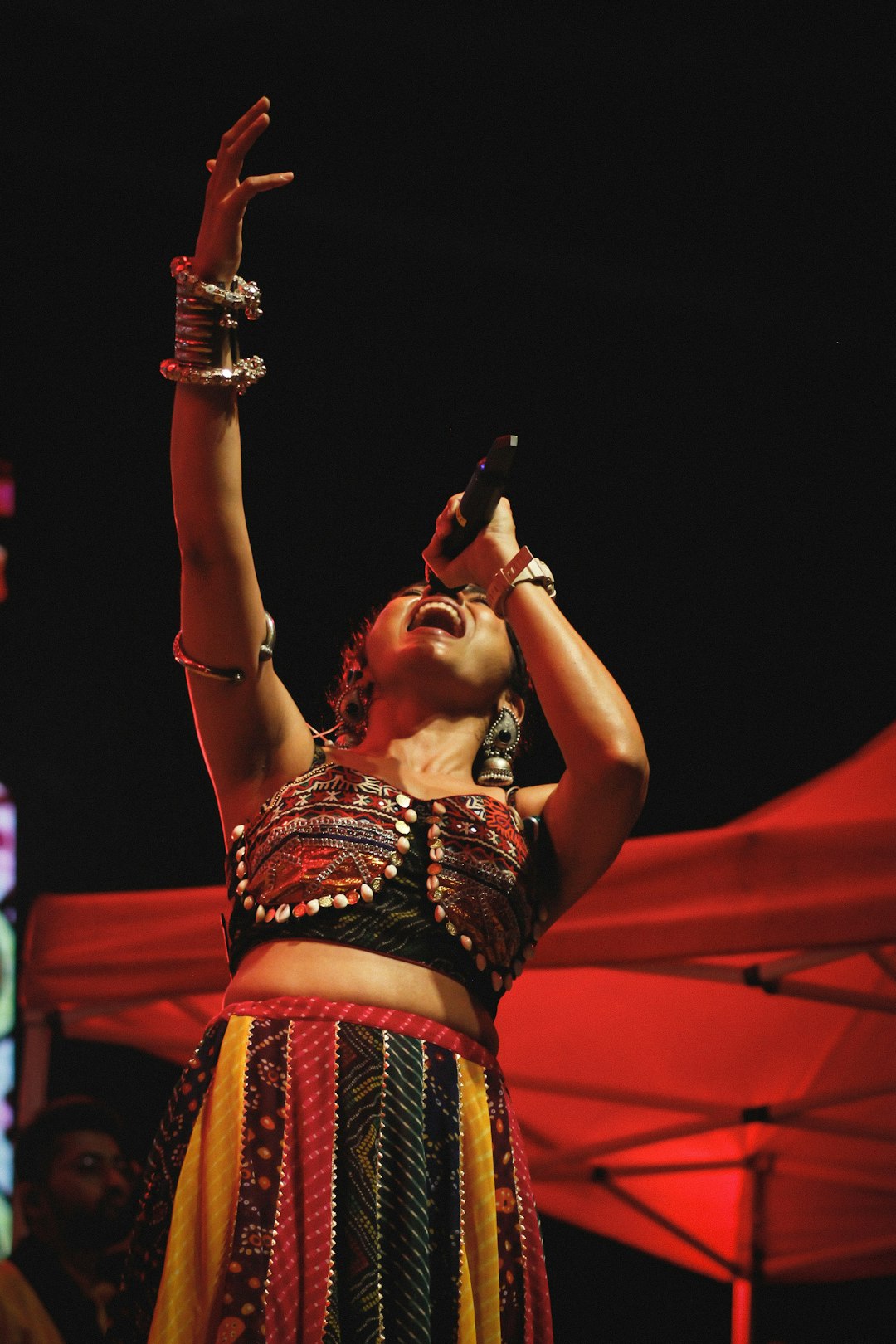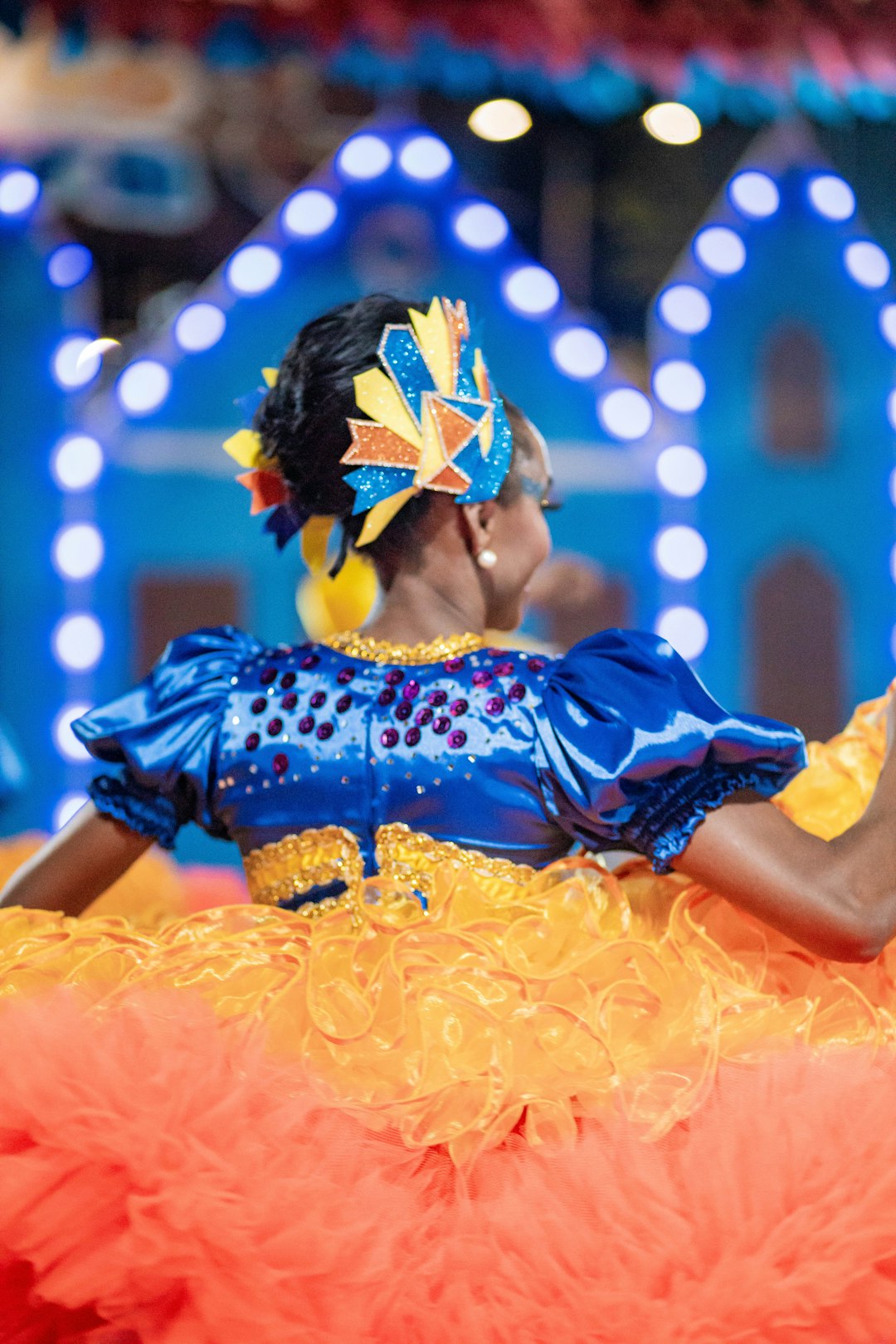
Born in the tablaos and peñas of Andalusia, Flamenco emerged from the confluence of Roma, Moorish, and Spanish cultures—a dance of defiance and devotion that demands everything from its practitioners. More than steps and gestures, Flamenco is a conversation between dancer, singer (cantaor), and guitarist (tocaor), bound together by the unbreakable thread of compás (rhythmic structure). For aspiring dancers, understanding this cultural foundation is as essential as mastering physical technique.
1. Footwork (Zapateado): Building Your Rhythmic Foundation
Footwork is the percussive heartbeat of Flamenco, transforming the dancer into both musician and instrument. The zapateado involves precise tapping, stomping, and sliding movements that articulate complex rhythmic patterns against the floor.
Essential Steps to Master
| Step | Description | Practice Focus |
|---|---|---|
| Tapia | A flat-footed stamp using the full sole | Weight distribution, clean sound |
| Paseo | A traveling step with rhythmic brushing | Coordination with compás, spatial awareness |
| Golpe | Heel strike with immediate weight transfer | Sharp attack, controlled rebound |
| Punta | Ball-of-foot strike, often rapid and repeated | Ankle strength, speed clarity |
Footwear Fundamentals
Proper shoes (zapatos de baile) are non-negotiable. Beginners should invest in leather-soled Flamenco shoes with reinforced heels and nails—typically 3-5 nails in each heel and 2-3 in the toe. The nails create the distinctive zapateado resonance. Practice on sprung wood floors or specialized Flamenco mats; concrete destroys joints and muddies sound.
Practice Drill: Stand at the barre and execute single golpes on counts 1, 4, 7, and 10 of a 12-beat compás. Record yourself. Clean footwork should sound like a drummer's rimshot—sharp, singular, and immediate.
2. Arm Movements (Braceo): The Language of Emotion
Where footwork speaks in rhythm, arms speak in feeling. Braceo encompasses the circular, spiraling movements that emanate from the back and shoulders, creating the illusion of infinite energy flowing through the dancer.
Rather than mere decoration, Flamenco arms originate from the omóplatos (shoulder blades). Imagine drawing circles in thick honey—resistance creates intention. The cambio de brazos (arm change) requires one arm to rise through center while the other descends, never colliding, always breathing.
Anatomical Cues for Authentic Braceo
- Energy origin: Initiate from the latissimus dorsi, not the hands
- Wrist position: Relaxed but structured, neither floppy nor rigid
- Finger shape: Slightly separated, energy extending through fingertips
- Spatial planes: Work in high (overhead), medium (chest), and low (waist) levels
Experiment with floreo (finger ripples) and vuelta de mano (hand turns) to develop articulation. These micro-movements transform simple gestures into emotional vocabulary.
3. Body Posture (Apertura): The Architecture of Pride
Flamenco posture communicates before movement begins. This is apertura—openness as both physical structure and psychological stance.
Imagine a string pulling upward from your crown, creating space between each vertebra. The shoulders settle back and down—not forced, but released—while the sternum floats forward. The pelvis remains neutral, neither tucked nor arched, creating a channel for energy to travel from earth to sky.
Common Postural Errors
| Error | Correction | Sensation to Seek |
|---|---|---|
| Rib thrust | Soften front ribs, engage deep core | Breath moving freely to back body |
| Shoulder elevation | Release trapezius, widen collarbones | Arms hanging effortlessly from back |
| Chin lift | Lengthen occipital bone upward | Eyes level, gaze accessible |
This carriage serves practical purpose: it opens the respiratory system for the intense cardiovascular demands of zapateado, while signaling emotional availability to your audience.
4. Rhythm (Compás): The Invisible Choreographer
Understanding Compás: The 12-Beat Heartbeat of Flamenco
Flamenco's rhythmic architecture defies Western 4/4 expectations. Most palos (Flamenco styles) operate in 12-beat cycles with accents on 3,