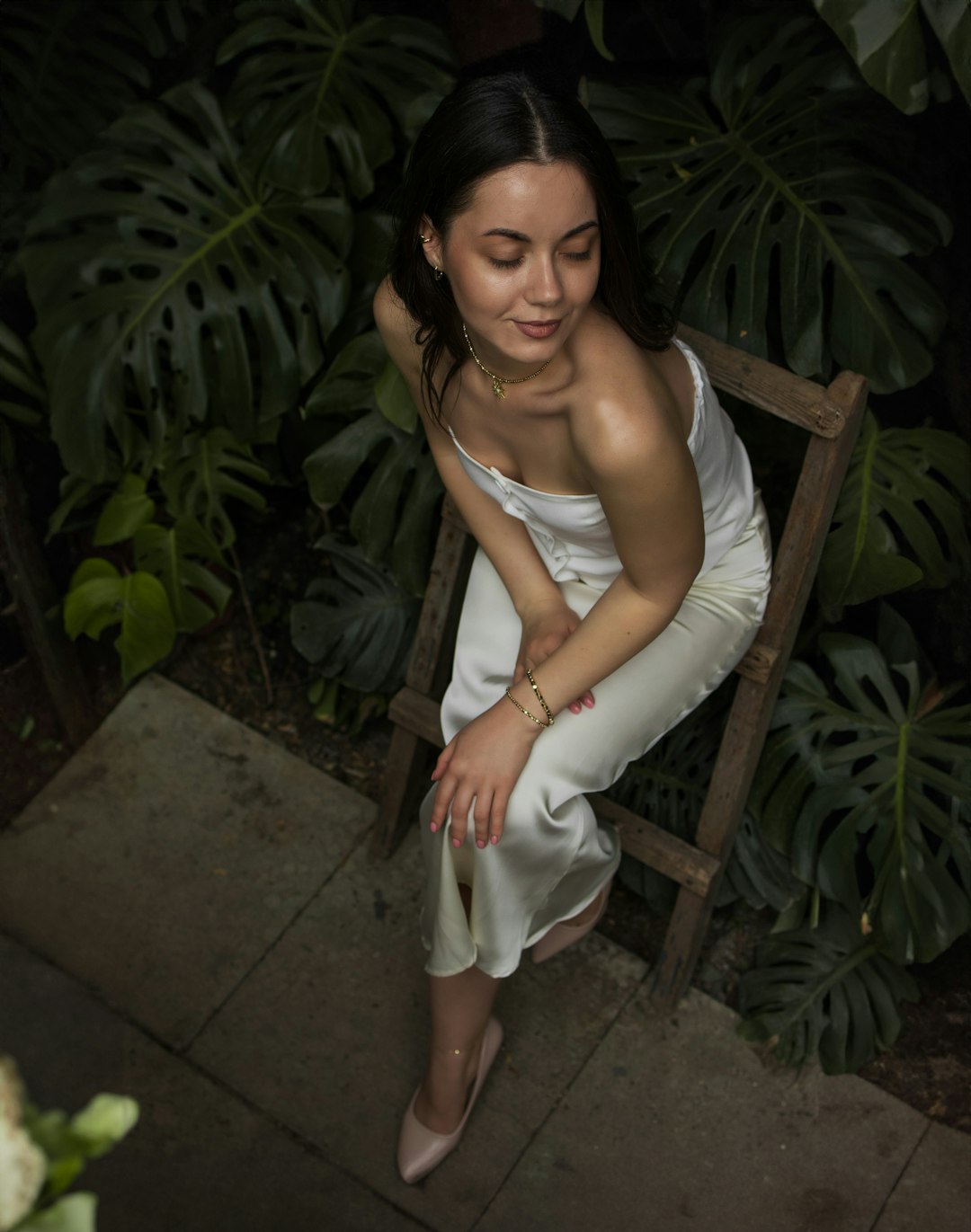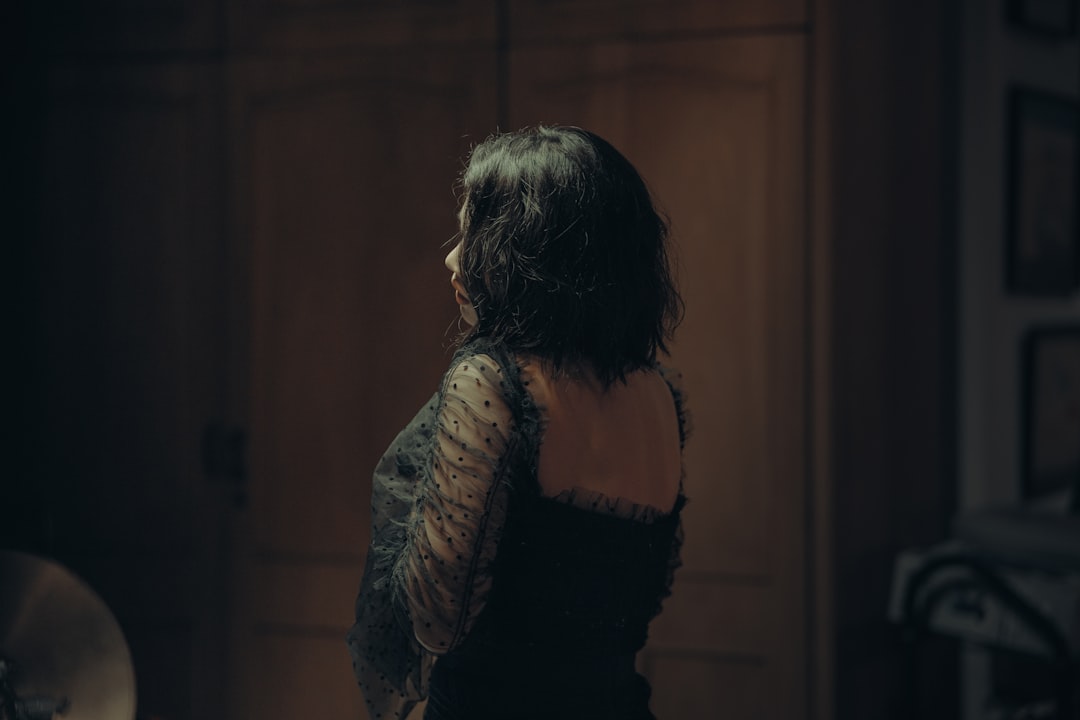
The Night Everything Changed
The room smelled of sweat, cheap rum, and possibility. I was halfway through a cross-body lead when my partner—a tiny woman with calloused feet and no patience for basic steps—stomped her heel into the floor. Not a salsa tap. Something sharper. Something that cracked through the music like a gunshot. The entire floor froze.
She'd thrown a flamenco zapateado into a Celia Cruz track, and suddenly our casual Tuesday social felt like a tablao in Seville.
That was the night I stopped treating dance styles like they needed permission slips to mingle.
What Flamenco Actually Brings to the Table
Most salsa dancers think with their hips. Flamenco dancers think with the floor. They attack it. They hold a conversation with it—heels, toes, the ball of the foot—each strike carrying intent. When you bring that vocabulary into Latin dance, you don't just add steps. You add punctuation.
Picture this: you're dancing bachata, that smooth, swaying close embrace everyone loves. Now imagine interrupting the predictable eight-count with a sharp llamada—a flamenco "call" where your foot strikes the ground like you're demanding the music pay attention. Your partner blinks. The audience leans in. The song didn't change; the stakes did.
That's the secret. Flamenco doesn't blend quietly. It arrives.
Three Fusions That Work on the Social Floor
The Salsa Turn With Bite
Regular salsa spins are clean, mechanical, almost polite. Flamenco turns—vueltas—are chaos contained. The arms don't frame prettily; they whip through space with a snap that cuts the air around you.
Try this: Enter your basic left turn, but at the fifth beat, let your free arm cut across your body with explosive, almost violent intention. Delay your spot until the last possible moment, then land heavy. The controlled disorientation is the point. Your partner won't know what hit them, but they'll feel awake.
Bachata's Hidden Stutter
Bachata lives in the hips. It flows. It doesn't interrupt itself. That's exactly why dropping flamenco footwork into it feels so deliciously wrong.
Start with a standard basic. On the fourth beat—where you'd normally settle into the next hip roll—freeze your upper body completely. Let your feet execute a rapid escobilla: a brushing heel-toe pattern, low to the floor, so fast the individual strikes blur together. Your torso stays liquid. Your feet become percussion. The contrast makes crowds gasp. In a bachata room, that's basically a standing ovation.
Merengue Arms That Tell a Story
Merengue is simple. That's its charm and its curse. After three songs, your arms get bored holding the same frame.
Borrow from flamenco's braceo—arm work that shapes space with deliberate tension. During a basic merengue march, sweep one arm overhead in a slow arc, fingers energized like you're reaching for something just beyond your grasp. Bring it down sharp. The other arm answers. Suddenly your sunny Caribbean step carries drama, narrative, emotional weight. People will ask what changed. Tell them you're finally dancing.
The Hard Truth Nobody Tells You
Fusion isn't addition. It's negotiation.
The first time I tried a flamenco remate—a sudden, dramatic stop—in the middle of a cha-cha, I crashed into another couple, spilled my partner's drink, and earned a three-minute lecture from a ballroom instructor who smelled of menthol.
You will look ridiculous before you look dangerous. The rhythms fight each other at first. Flamenco wants freedom, improvisation, raw emotion. Latin partner work wants structure, connection, shared timing. Teaching them to coexist means failing publicly, repeatedly, until your body learns a new grammar.
Here's how to negotiate:
- Start small. One flamenco element per song, not three.
- Signal your partner. A slight compression in the frame before a remate gives them warning.
- Know your room. A competitive salsa congress tolerates more experimentation than a traditional milonga.
- Record yourself. What feels revolutionary in your body often reads as clutter to an audience.
The dancers who stick with it develop something rare: a split personality on the floor—half disciplined partner dancer, half wild soloist—that makes them unforgettable.
Your First Step Into the Fire
You don't need castanets or a ruffled skirt. You need one move.
Pick the zapateado heel strike. Next time you're social dancing, drop it on the break of a salsa song—that moment where the percussion pauses and everyone holds their breath. Let your heel answer the silence. Feel the