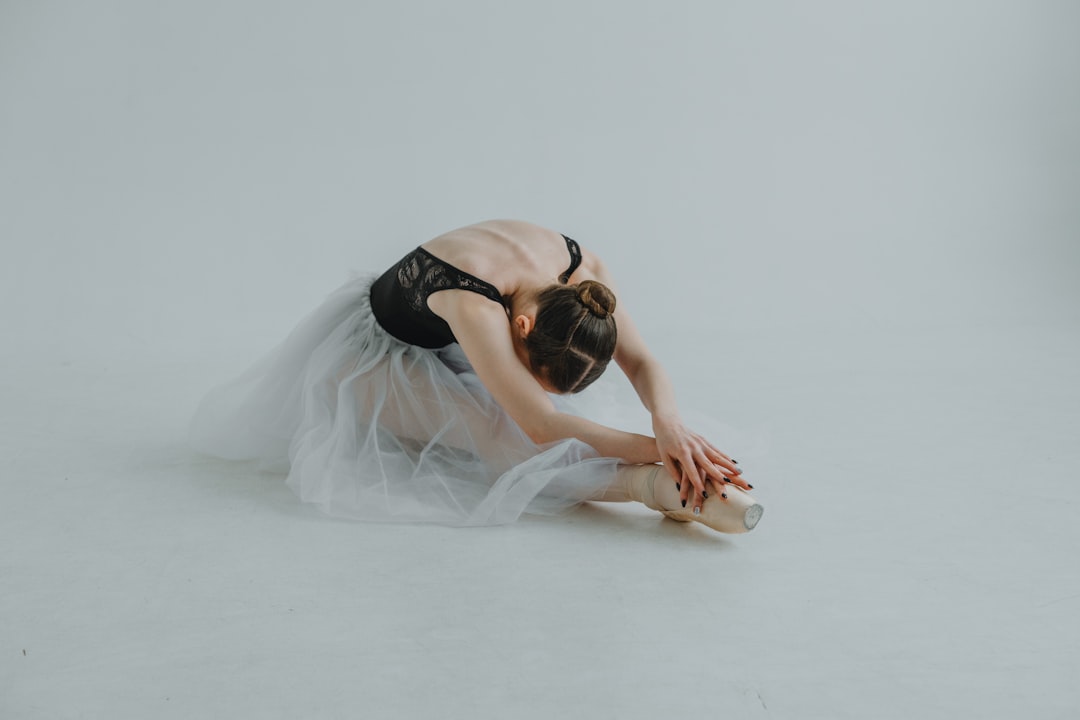
Flamenco demands everything from its practitioners—fire, precision, and unwavering connection to the floor. Your shoes are not merely accessories; they are instruments that translate rhythm into sound and intention into movement. Whether you're stepping into your first class, preparing for a performance, or simply captivated by flamenco's aesthetic power, understanding footwear separates authentic expression from costume-party approximation.
This guide distinguishes between two distinct categories: professional flamenco dance shoes (zapatos de flamenco), engineered for percussive technique, and flamenco-inspired fashion footwear, which borrows the art form's dramatic visual language for everyday wear. Know which you need before you shop.
First, Define Your Purpose
Ask yourself honestly: Will these shoes touch studio marley or tablao stages? Or do you want to evoke flamenco spirit at dinner, a wedding, or a night out?
For dancers: Only purpose-built flamenco shoes belong on the dance floor. Their construction—nailed toe and heel plates, hardwood or stacked leather heels, leather soles—creates the crisp zapateado (footwork) sound that defines the form. Anything less risks injury and silences your rhythmic voice.
For enthusiasts: Fashion interpretations offer freedom. You can prioritize comfort, experiment with heel heights, and select materials impractical for dance. The goal becomes evocation, not function.
Understanding Professional Flamenco Footwear
The Anatomy of a Dance Shoe
| Component | Purpose | What to Look For |
|---|---|---|
| Puntera (toe box) | Protects toes during punta work (dancing on toes) | Snug fit; leather that molds to your foot |
| Tacón (heel) | Creates percussive sound; affects posture and balance | Height and shape matched to your level |
| Clavos (nails) | Metal pins in heel and toe for amplified strike | Hand-hammered placement; check for looseness |
| Suela (sole) | Allows controlled sliding while maintaining grip | Leather, not rubber; thickness varies by style |
Heel Height and Shape: Choose Wisely
Your heel is your foundation. Select wrong, and every llamada ( rhythmic call) wobbles.
- Beginners: Start with tacón bajo (5cm/2 inches). Build ankle strength and balance before adding height.
- Intermediate/Advanced: Progress to tacón medio (6cm) or tacón alto (7cm+).
- Heel shape matters: The tacón carrete (wider, carriage-wheel profile) offers stability for learning. The tacón fino (slim, elegant) demands precise technique but rewards with visual elongation.
Pro tip: Professional dancers often own multiple pairs—lower heels for long rehearsals, higher for performance impact.
Fit and Break-In
Flamenco shoes should fit like a firm handshake, not a squeeze. Leather stretches, so initial snugness is correct. However, excessive room in the toe box causes blisters during rapid zapateado sequences.
Expect a painful break-in period. Dancers soften new shoes with water, wear them damp, or execute hours of basic drills before trusting them in choreography. This ritual transforms rigid construction into personalized equipment.
Color and Style: The Visual Language
For Performance and Class
Traditional flamenco favors black—versatile, leg-lengthening, and forgiving of scuff marks. Red signals passion and power, often reserved for solo moments. White or nude appears in bata de cola (long-trained dress) work, creating uninterrupted visual lines.
Match your shoe color to your bata or falda (skirt) when possible, but prioritize function over exact matching. A well-executed escobilla (footwork sequence) in black shoes outshines a wobbly one in perfect crimson.
For Fashion-Forward Interpretation
Contemporary flamenco-inspired footwear embraces broader palettes. Consider:
- Deep berry or burgundy against bright red ensembles—sophisticated without competition
- Metallic finishes (gold, bronze, pewter) for evening events
- Embroidered leather featuring Andalusian azahar (orange blossom) motifs or modern geometric abstraction
Material choices carry weight: patent leather (charol) delivers dramatic shine but reveals every scuff; matte leather ages gracefully; suede offers textural contrast but demands more maintenance.
Comfort: The Dancer's Reality Check
Discard conventional comfort marketing. Professional flamenco shoes








