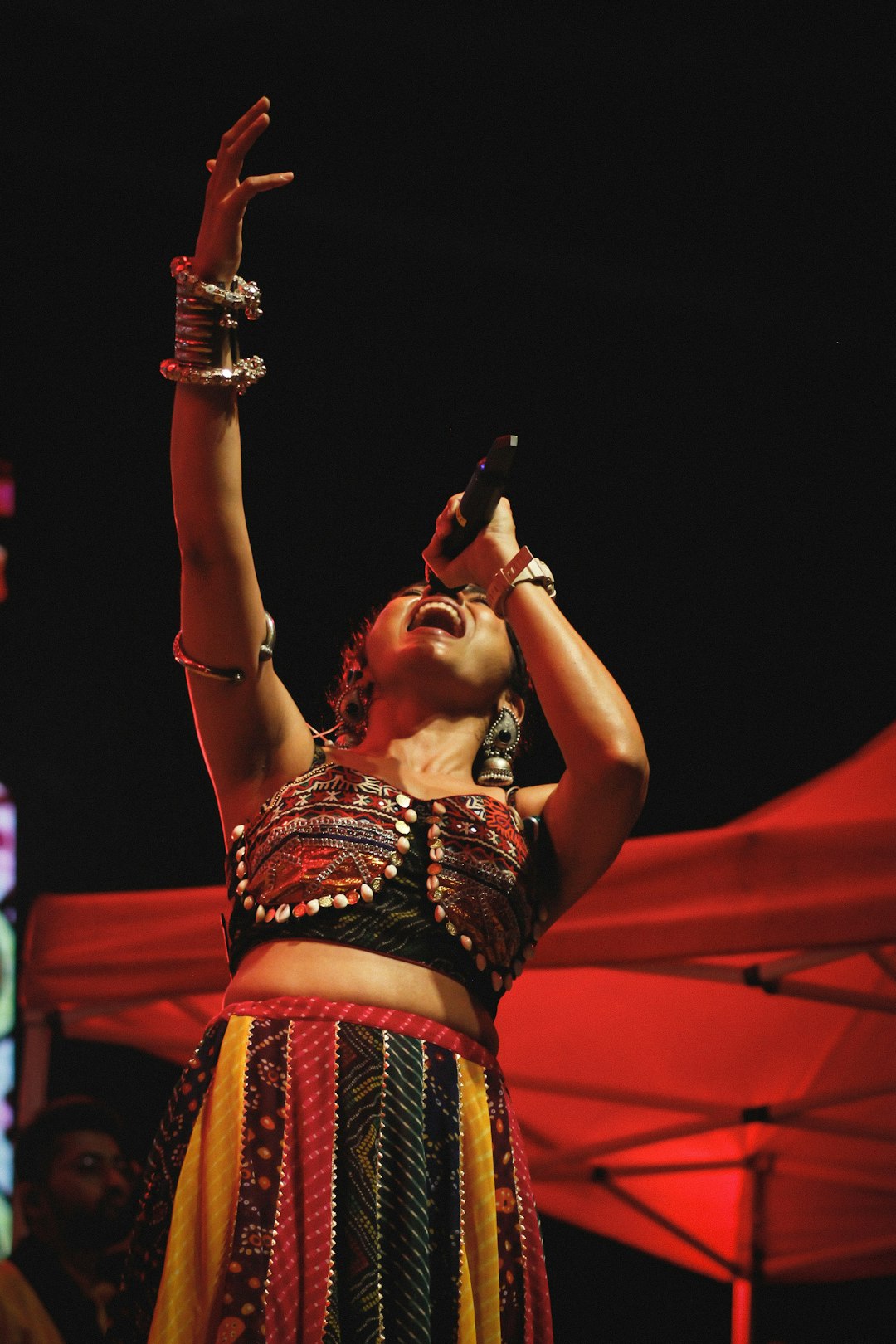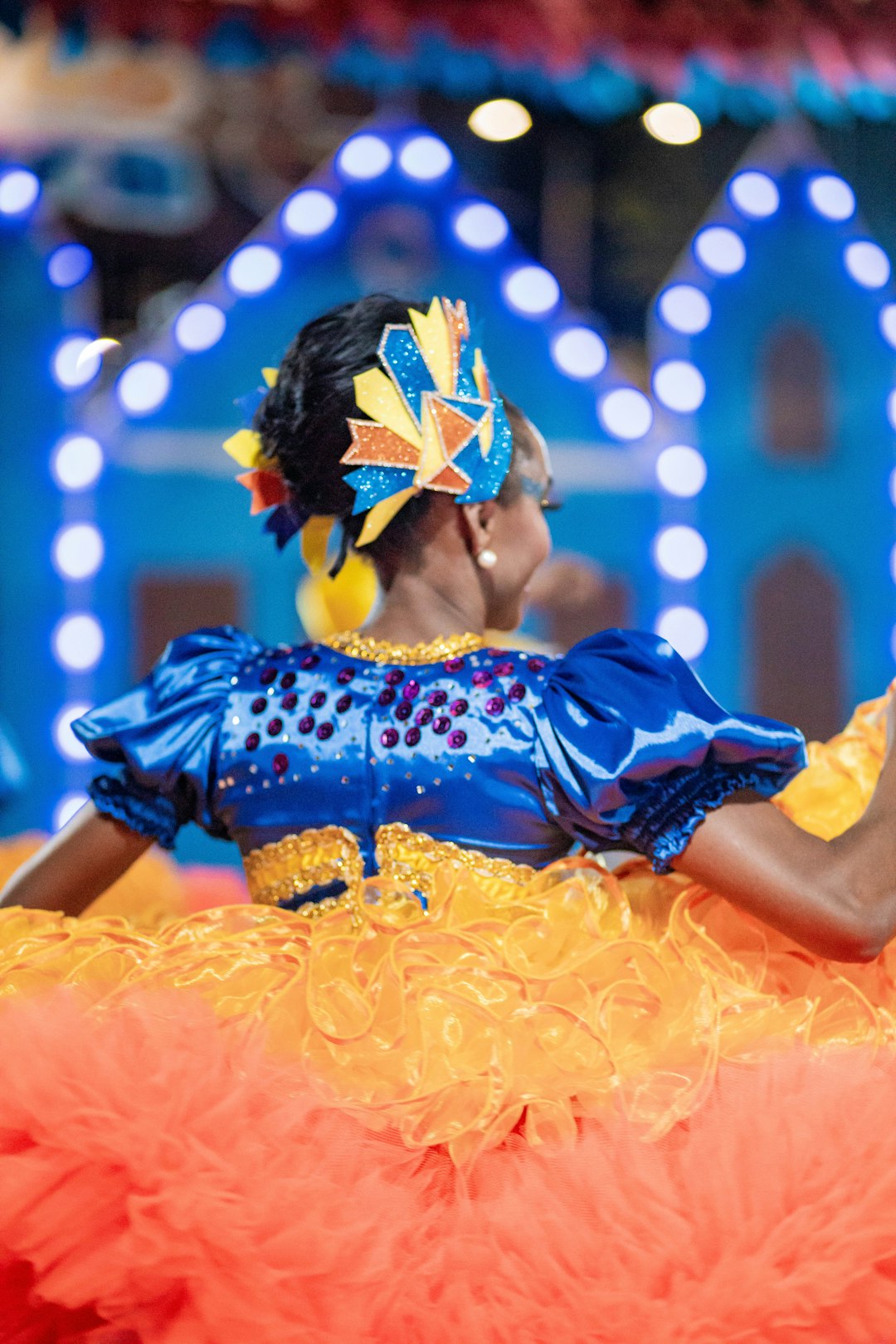
In a cramped tablao in Triana, Seville's old Romani quarter, a dancer's heel strikes the wooden floor in twelve-count cycles. Each golpe—heel strike—cuts through the room before the guitarist's rasgueo answers back. This is compás, the rhythmic framework that governs every flamenco performance, and without it, there is no fire—only noise.
Flamenco demands more than casual appreciation. It requires listeners to recognize the tension between a singer's cracked voz afillá and the guitarist's percussive golpe technique, to feel when a bailaora suspends her breath before accelerating into a llamada that commands the musicians to follow her lead. This article moves beyond postcard clichés to examine how flamenco emerged, what it actually sounds like, and why it remains contested terrain today.
The Roots of Flamenco: Beyond the "Fusion" Myth
Flamenco emerged in the late 18th century among calé (Spanish Romani) communities in western Andalusia—particularly Triana, Jerez de la Frontera, and the Alpujarras. Its development reflects layered, unequal encounters rather than a harmonious blending of equals.
The cante jondo (deep song) traditions of Spanish Roma form the emotional core: the siguiriya, with its descending Phrygian lines and anguished intervals, carries the weight of centuries of marginalization. Andalusian folk culture contributed forms like the fandango and soleá. Scholars debate the extent of additional influences: the muwashshah poetry of Al-Andalus, Sephardic musical traditions, and the contested theory of Romani migration from South Asia all appear in scholarly literature, though none should be presented as settled fact.
What is certain is that flamenco developed as the art of outsiders—people excluded from Spain's official cultural narratives who created something the nation would later claim as its own.
The Elements: What Actually Happens on Stage
Flamenco comprises three primary elements, yet reducing it to cante (singing), toque (guitar), and baile (dance) misses the essential glue: compás (rhythmic structure), palo (form), and duende—that elusive quality of authentic, almost dangerous emotional presence.
Cante: The Voice Before All Else
Historically, singing predated the flamenco guitar by generations. The cantaor works with microtonal inflections and deliberate roughness; a polished classical voice would signal inauthenticity. The quejío—a cracked, crying ornament at phrase endings—carries emotional weight that transcends lyrical content.
Toque: Rhythm Disguised as Melody
The flamenco guitar functions as both harmonic and percussive instrument. The alzapúa thumb technique creates simultaneous bass and treble lines. Rasgueo strumming patterns mark compás with mathematical precision. The guitarist's falsetas (melodic interludes) must never overshadow the singer; flamenco guitar serves the cante, unlike in other traditions where voice accompanies instrument.
Baile: The Body as Percussion Instrument
The bailaora (female dancer) or bailaor (male dancer) generates rhythm through zapateado (footwork) while maintaining braceo (arm and hand movements) that flow in deliberate contrast. The escobilla sequence—rapid heel strikes in straight rhythm—demands cardiovascular endurance and precise weight distribution. Watch a dancer's back: the contratiempo (off-beat accenting) often begins there, rippling outward.
Palos: The Forms and Their Emotional Geography
Flamenco diversified into distinct palos, each with characteristic rhythm, mood, and historical associations:
| Palo | Rhythm | Character |
|---|---|---|
| Soleá | 12-count, accented on 3, 6, 8, 10 | Somber, deliberate, the "mother of cante jondo" |
| Bulerías | 12-count, faster, with flexible phrasing | Festive, improvisational, traditionally the finale |
| Siguiriya | Free rhythm, irregular meter | The most anguished, historically linked to Romani mourning |
| Alegrías | 12-count, bright major tonality | Originated in Cádiz, celebratory despite complex footwork |
| Tientos/Tangos |