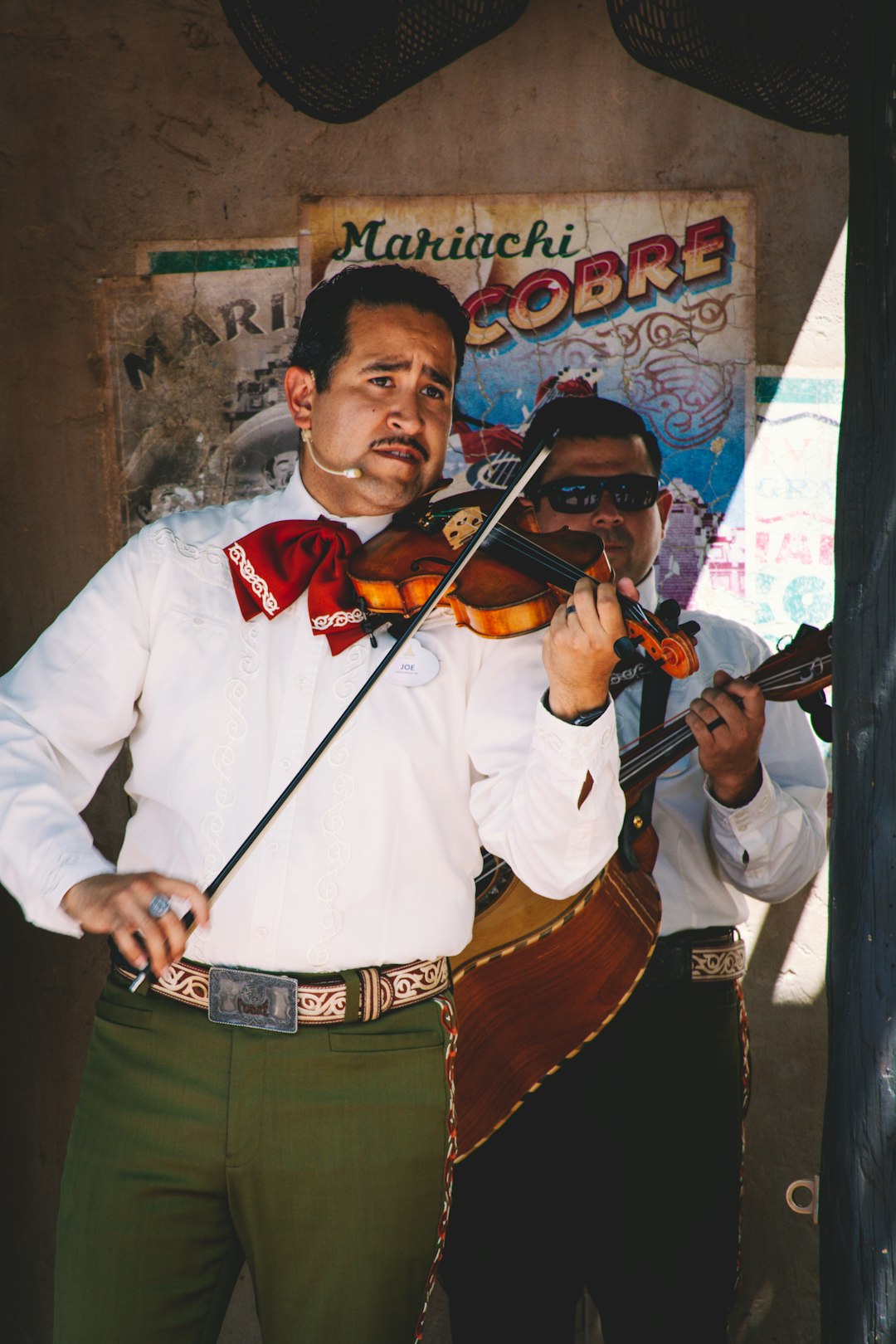
When Hungarian dancers take the stage in hand-embroidered szűr jackets, or when Irish step dancers leap in rigid, crystal-adorned dresses, their clothing speaks before they do. Folk dance costumes are living artifacts—carrying regional identity, social history, and functional engineering perfected over generations. Yet too often, performers treat these garments as mere decoration, selecting pieces that look traditional but fail the movement demands of the dance itself.
This guide bridges that gap. Whether you're preparing for your first international folk festival or refining your professional repertoire, these ten principles will help you select attire that honors cultural origins while supporting your physical performance.
Understanding Folk Dance Attire: Where Function Meets Cultural Expression
Unlike ballet's standardized tutu or contemporary dance's neutral practice wear, folk dance clothing emerges from specific agricultural, ceremonial, and climatic conditions. A Romanian blouson's gathered sleeves allowed field workers freedom of movement; the weight of a West African agbada communicates social status through its very drape. When you choose folk dance attire, you're engaging with this lineage—whether performing reconstructed village dances or choreographed stage adaptations.
The best selections balance three imperatives: authentic cultural representation, biomechanical functionality, and practical durability for repeated performance.
Core Selection Principles
1. Select Movement-First Fabrics by Dance Tradition
Fabric choice determines not only comfort but movement quality. Rather than generic "breathable, lightweight" guidance, match materials to your dance's physical and cultural requirements:
| Dance Tradition | Recommended Fabrics | Avoid |
|---|---|---|
| Mediterranean/ Balkan (Greek, Bulgarian, Serbian) | Lightweight cotton, linen, or cotton-silk blends for rapid turning and shoulder isolations | Synthetic satins that don't breathe during outdoor summer festivals |
| Eastern European winter dances (Polish, Ukrainian, Russian) | Wool blends, felted wool for vests, layered natural fibers that insulate without bulk | Cheap acrylic knits that overheat indoors and pill quickly |
| Indian classical folk (Bharatanatyam, Odissi, Kathak) | Silk or silk-cotton for formal performances; breathable cotton practice wear | Stiff polyesters that don't achieve the characteristic fabric flow |
| Irish/Scottish social dance | Lightweight wool or wool-mix for competition; cotton for practice | Heavy tweeds that restrict jump height |
| West African | Hand-woven cotton, bazin, or appropriate traditional textiles | Mass-produced "tribal print" fabrics with no cultural connection |
Climate adaptation: For outdoor summer festivals, prioritize looser cuts in natural fibers. For air-conditioned theaters or winter performances, plan strategic layering—a Romanian vest over a blouse, or an Indian shawl (dupatta) that can be removed mid-performance.
2. Respect Cultural Origins: Research Beyond Retail
"Traditional style" means more than visual similarity. Ukrainian vyshyvanka embroidery carries regional specificity—Poltava's floral motifs differ markedly from Hutsul geometric patterns, and wearing one for the other's dance signals inauthenticity at best, disrespect at worst.
How to conduct meaningful research:
- Consult cultural practitioners before costume retailers. Community dance groups, cultural centers, and elder practitioners often maintain knowledge absent from commercial sources.
- Examine archival photographs and ethnographic films from your dance's region and era. The Polish State Ethnographic Museum and similar institutions offer digitized collections.
- Distinguish between village practice (functional, often homespun), festival dress (heightened decoration), and staged folklore (theatrical adaptations). Each has appropriate contexts.
Appreciation versus appropriation: If you are performing a dance from outside your heritage, work with cultural consultants. Some traditions welcome respectful participation; others restrict certain garments or dances to community members. When in doubt, ask directly rather than assume.
3. Engineer for Full Kinematic Range
Folk dance demands specific movement vocabularies—Balkan shoulder shimmies, Irish battering footwork, Indian aramandi deep squats—each requiring precise garment engineering.
Critical fit checkpoints:
- Torso: Raise both arms overhead; the garment should neither ride up excessively nor restrict shoulder elevation.
- Waist/hips: Perform your dance's deepest knee bend or widest stance; seams and waistbands must not compress or gap.
- Sleeves: Extend arms horizontally and rotate internally/externally; sleeves should clear without binding.
- Skirts/trousers: Execute full turns and floor work; hemlines should clear the floor appropriately (tradition-dependent) and not tangle.
Construction details that matter: Gusseted underarms, action backs or bi-swing back panels, and articulated knee construction in trousers all expand movement range without sacrificing traditional silhouette.
4. Understand Color Symbolism Before Aesthetics
Color in