Folk dance costumes carry centuries of cultural memory in every stitch, bead, and pattern. Whether you're preparing for your first Ukrainian Hopak performance or expanding your repertoire with Mexican Folklórico, your attire shapes both how you move and how you honor the tradition you represent. This guide moves beyond generic advice to offer concrete, culturally grounded strategies for building authentic, respectful, and performance-ready folk dance outfits in 2024.
1. Understanding Your Dance: Research Before You Sew
Every folk dance emerges from specific geographic, historical, and social contexts. Irish step dance evolved from 18th-century traveling dance masters; Indian Bhangra celebrates Punjabi harvest festivals; Hungarian csárdás reflects 19th-century rural courtship rituals. Your costume research should mirror this specificity.
Start with authoritative sources:
- Academic dance ethnographies and regional folklore journals
- Cultural heritage centers and embassy cultural attachés
- Master instructors with direct lineage to the tradition
- Community elders and cultural bearers willing to share knowledge
Document regional variations. A Polish polonaise costume from Kraków differs dramatically from one in the Tatra Mountains. For Ukrainian vyshyvanka embroidery, Poltava features geometric roses while Bukovyna displays dense black-red geometric patterns. These distinctions matter to communities who recognize their heritage in your performance.
2. Building Your Outfit: Core Components by Tradition
Folk dance costumes typically layer functional base garments with decorative outer elements. Understanding this architecture helps you prioritize investments and identify authentic construction.
| Dance Tradition | Foundation Layer | Signature Outer Garment | Critical Movement Requirement |
|---|---|---|---|
| Irish Step Dance | Fitted blouse, poodle socks | School-specific solo dress or traditional skirt | Rigid torso, explosive leg extension |
| Ukrainian Hopak | Embroidered shirt (vyshyvanka), trousers | Decorative vest, sash (poyas) | Deep knee bends, high jumps |
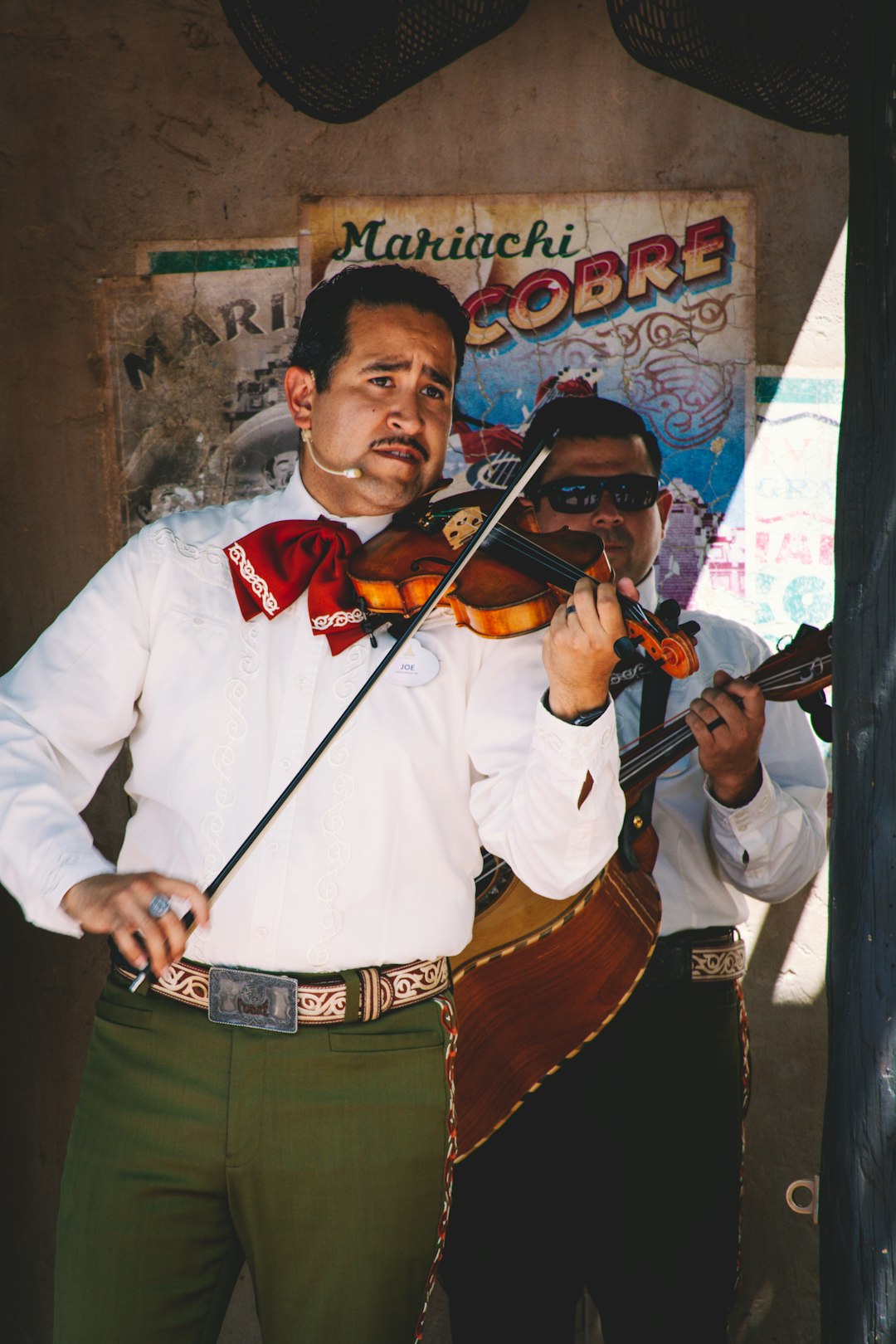
| Mexican Folklórico | Blouse, full skirt with petticoats | Regional huipil or china poblana | Controlled skirt manipulation |
| Rajasthani Ghoomar | Lehenga skirt, choli blouse | Odhni veil with heavy border embroidery | Continuous spinning with veil flow |
| Hungarian Csárdás | Fitted bodice, layered petticoats | Full gathered skirt | Rapid directional changes, partner lifts |
Fit for function, not just appearance. Irish soft shoes demand leggings that won't bunch at the ankle. Hungarian spinning requires skirt weights or construction that prevents tangling. Test your full range of motion before finalizing alterations.
3. Materials & Construction: Movement, Climate, and Sustainability
2024 brings meaningful innovations to traditional costume construction. Sustainable alternatives now match the drape and durability of conventional fabrics:
- Bamboo silk replaces conventional silk for flowing skirts with reduced environmental impact
- Recycled polyester blends offer the crisp structure needed for embroidered bodices without virgin petroleum extraction
- Organic cotton canvas provides the weight and breathability for heavy regional embroidery
Climate-specific adaptations:
| Condition | Fabric Strategy | Construction Adjustment |
|---|---|---|
| Hot outdoor performances | Lightweight linen, moisture-wicking bamboo underlayers | Minimal layering, ventilated back panels |
| Cold parade routes | Wool base layers, quilted petticoats | Removable capes or coats that preserve silhouette |
| Variable indoor/outdoor | Modular systems with quick-change capability | Hidden zipper openings for layer management |
Movement engineering: Request gusseted underarms and split skirts from your maker for dances requiring arm extension or high kicks. Reinforce stress points—knees, shoulders, waist seams—with traditional techniques rather than modern shortcuts that compromise authenticity.
4. Authenticity & Ethical Sourcing: Beyond "Avoiding Appropriation"
Respectful costume acquisition requires active relationship-building, not passive avoidance. Transform your approach from consumer to cultural partner.
Direct artisan support:
- Purchase embroidery from makers within the tradition—Ukrainian master embroiderers, Mexican indigenous textile collectives, Indian zardozi workshops
- Commission pieces through cultural organizations that ensure fair compensation
- Attend heritage festivals where artisans demonstrate techniques and sell directly
Community consultation protocol:
- Identify cultural gatekeepers for your specific dance (not generic "Eastern European" or "Latin American" categories)
- Present your performance context honestly—competitive, educational, recreational
- Request specific guidance on elements requiring initiation or restricted use
- Document permissions and credit sources in programs
Red flags in commercial costume markets:
- "Gypsy" or generic "folk" labels that collapse distinct traditions
- Machine embroidery sold as handwork without disclosure
- Sacred or ceremonial elements marketed as performance accessories
- Prices suggesting exploitative labor practices