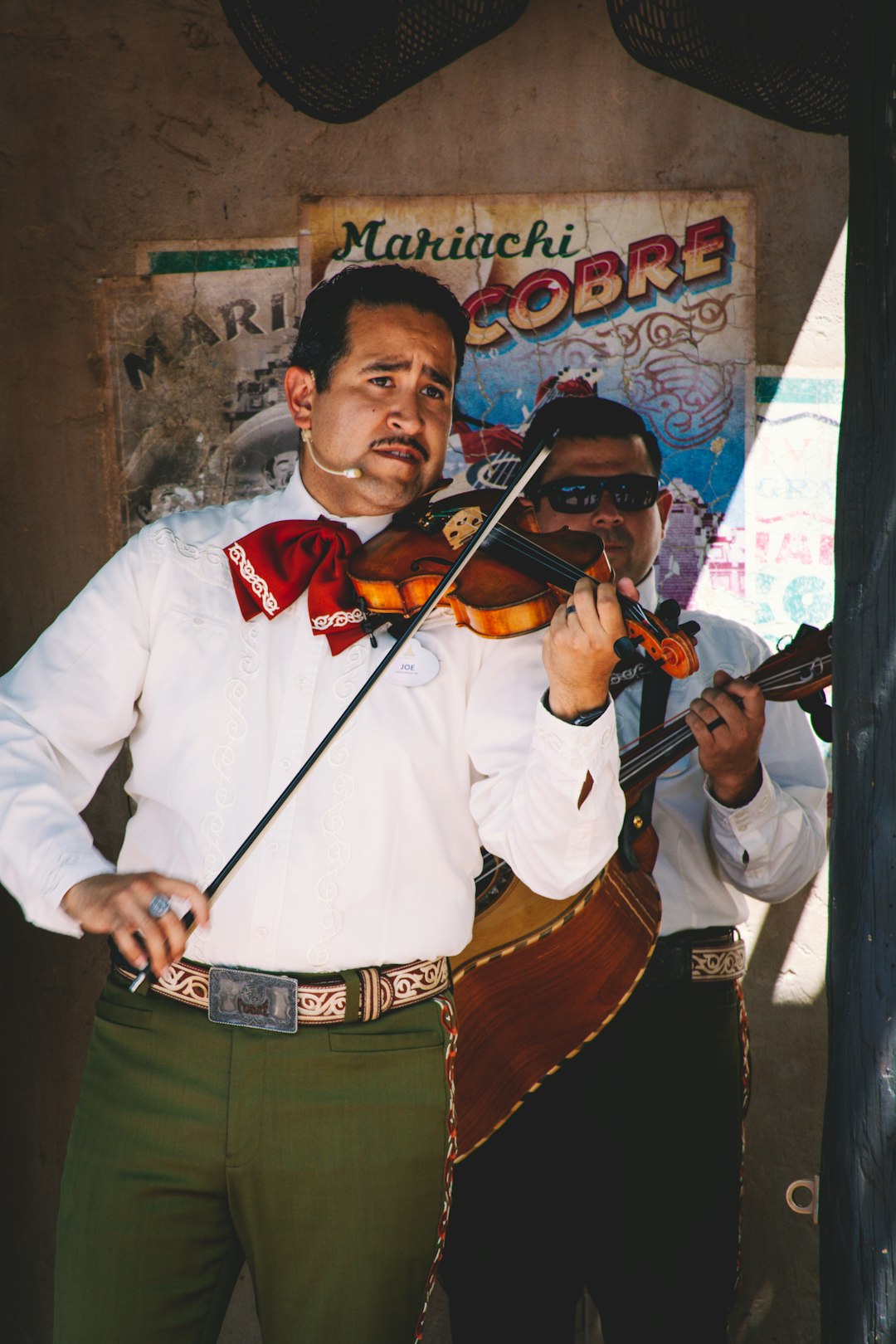
The lights rise. The musician strikes the first chord. And Maria's embroidered vest catches on her partner's sleeve, ripping a seam that sends antique glass beads scattering across the stage. In seconds, a Bulgarian Shopska dance becomes a scramble for dignity.
Every folk dancer has a costume story. The good ones elevate performance into transcendence. The bad ones teach hard lessons about preparation, respect, and the gap between how a garment looks on a hanger versus how it survives a horo circle at full speed.
This guide moves beyond generic advice to address what actually matters: researching with integrity, building costumes that function under pressure, and honoring traditions that aren't yours to treat lightly.
Start With Sources, Not Pinterest
Effective costume research separates cultural appreciation from shallow appropriation. Begin with these primary sources before touching fabric swatches:
Museums and archives — The Smithsonian's Folkways collection, the Museum of International Folk Art in Santa Fe, and regional European ethnographic museums maintain digitized costume collections with provenance details: fabric weights, construction techniques, seasonal variations.
Cultural centers and elder practitioners — Second- and third-generation immigrants often preserve details absent from academic records. A Romanian hora dancer in Chicago can explain why her grandmother's apron pleats face a specific direction, or how sleeve length signals marital status.
Academic ethnography — Search JSTOR for folk dance costume studies by region. Look for authors who conducted fieldwork in specific decades; traditions evolve, and a 1980s Transylvanian village costume differs from contemporary festival versions.
Red flags to avoid: Unsourced "folk costume" websites, Halloween suppliers, and dance competitions where "inspired by" has drifted into "vaguely ethnic." When in doubt, contact the embassy cultural attaché of your dance's origin country. Many maintain lists of approved instructors and costumers.
Case Study: Reconstructing a Polish Krakowiak
Dancer Sarah Chen wanted authentic krakowiak attire for a Chicago Polish Heritage Festival. Initial web searches returned generic "Eastern European" skirts with incorrect embroidery placement. Through the Polish Museum of America, she connected with a costumer in Kraków who explained: the striped wool spódnica requires hand-pleating to maintain structure during jumps; machine-pleated versions collapse after three performances. The consultation added $200 to her budget but produced a garment still performing flawlessly eight years later.
Negotiating Authenticity Against Practicality
Pure authenticity and stage functionality rarely coexist. Smart dancers make informed compromises:
| Authentic Element | Practical Challenge | Common Adaptation |
|---|---|---|
| Heavy wool bunad from Norway | 45-minute performance in summer heat | Lined cotton canvas with wool exterior panels only |
| Ukrainian vinok (floral crown) weighing 2+ pounds | Neck strain, balance disruption | Wire-frame base with silk flowers, reduced diameter |
| Greek fustanella with 400 hand-pleats | Hours of pressing, crushing in travel | Synthetic pleated fabric with traditional wool overlay |
| Rajasthani mirror work | Glass shatters, injures dancers | Acrylic mirrors, fewer pieces, strategic placement |
Document your compromises. If you perform for heritage audiences, be prepared to explain modifications. Transparency builds credibility; pretending maintains illusion but risks exposure.
Building From the Base: Core Garments
The Foundation Layer
Undergarments solve problems before they start. Folk dance costumes rarely accommodate modern bras or underwear lines. Solutions by need:
- Support without straps: Long-line bras, dance belts, or custom bodices integrated into the costume
- Modesty during spins: Attached briefs or shorts in skin-tone or matching fabric; avoid white, which shows through colored skirts
- Sweat management: Moisture-wicking base layers beneath wool or synthetic outer garments; silk absorbs without odor but weakens when wet repeatedly
The Visible Garment
Silhouette determines movement quality. Compare:
- Irish step dance: Stiffened skirts hold shape during rapid footwork, keeping visual focus low
- Hungarian csárdás: Full circular skirts require 6+ meters of fabric to achieve proper float during partner turns
- Chinese ribbon dance: Streamlined bodices prevent ribbon tangling; any extraneous volume becomes hazardous
Construction priorities:
- Test the full range: Raise arms overhead, drop into deep knee bends, spin 10+ rotations. Restrictions discovered in fitting, not performance.
- Secure everything: Baste, then sew. Then add snaps, hooks, or Velcro at stress points. Folk dance generates forces that separate commercial seams.
- Plan for repair: Carry matching thread, spare buttons, safety pins in skin-tone and metallic finishes, and a small scissors.