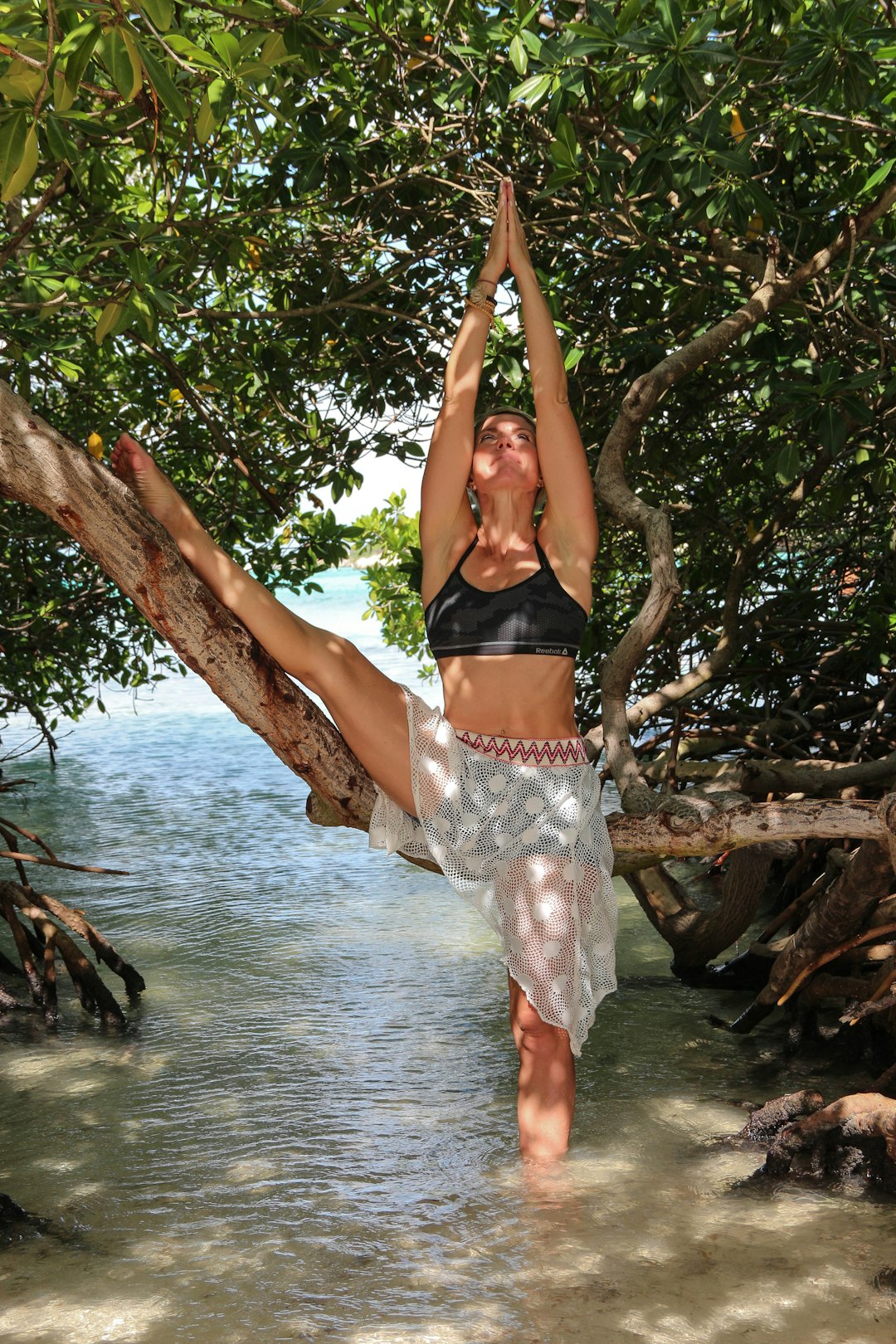
A Bulgarian dancer steps onto the stage in a hand-embroidered sukman, the wool heavy with history. Across the festival grounds, a Mexican folklórico dancer adjusts her china poblana skirt, knowing the precise width of the ruffle will determine the drama of her zapateado. In folk dance, costume is never mere decoration. It is memory made visible, tradition translated into textile, and a functional tool that can elevate or constrain every step.
Whether you are a professional dancer, a parent outfitting a child for their first performance, or a costume designer building a company wardrobe, selecting folk dancewear demands more than browsing costume catalogs. This guide offers practical, specific advice for choosing attire that honors tradition, supports athletic movement, and withstands the demands of the stage.
Understanding Folk Dance: Why Movement Dictates Design
Every folk tradition encodes specific physical demands into its clothing. The rigid torso and controlled leg movements of Irish step dance require fitted bodices and precisely weighted skirts that flare without impeding jump height. Flamenco's bata de cola demands yards of fabric trained to respond to a dancer's footwork, while the acrobatic leaps of Ukrainian Hopak need trousers cut generously enough for split jumps yet secure enough to stay in place.
Before selecting any piece, study the dance's movement vocabulary. Ask:
- Does the choreography involve floor work, jumps, or rapid spins?
- Are there partnered lifts or close formations?
- Does the music dictate sudden changes in tempo or direction?
The answers will shape every decision that follows.
The Three Pillars of Folk Dancewear Selection
Comfort and Function
Breathability, moisture management, and range of motion are non-negotiable. Cotton, often recommended generically, retains sweat and can become heavy during high-intensity performances. For dances with heavy perspiration—such as Indian Garba, which can last for hours—cotton-silk blends or lightweight silk wick moisture more effectively. For outdoor performances in variable weather, wool and linen provide temperature regulation but may require lining to prevent chafing.
Always test dancewear through a full rehearsal before performance day. Seams should sit flat against the body. Skirts should not ride up during turns. Trousers should not gap at the waist during deep knee bends.
Cultural Authenticity
This is the most sensitive pillar and the easiest to mishandle. Folk dance costumes carry meaning: colors can signal regional origin, marital status, or religious affiliation. Patterns may encode specific village histories. Accessories are rarely decorative afterthoughts.
When representing a tradition outside your own heritage, work with cultural bearers, master dancers, or community elders rather than relying solely on commercial costume retailers. Some elements—specific beadwork patterns, ceremonial colors, feather arrangements, or headpieces—carry sacred meaning and should not be worn without permission and understanding.
Practical steps for ethical sourcing:
- Document the specific region or sub-tradition your costume represents.
- Purchase from artisans within that culture when possible.
- Ask directly whether any element carries restricted or sacred significance.
- Credit makers and traditions in program notes.
Aesthetics and Stage Presence
Stage lighting alters how fabrics and colors read from a distance. Deep reds can appear brown under certain LEDs; matte linens can disappear against dark backdrops. Satin and crepe catch light beautifully for Irish soft-shoe dresses but may look garish for rustic, earth-toned traditions.
Consider the full visual composition: color coordination within an ensemble, the silhouette created by undergarments or petticoats, and how accessories—belts, scarves, sashes, headpieces, or footwear—frame the dancer's line. In folklórico, for example, the rebozo must be positioned to accentuate upper body movement without obscuring facial expression.
Choosing the Right Fabric: Tradition by Tradition
Fabric choice directly impacts movement quality, historical accuracy, and costume longevity. The following examples illustrate how different traditions solve different performance problems:
| Dance Tradition | Typical Fabrics | Why It Works |
|---|---|---|
| Irish step dance (soft shoe) | Lightweight satin, crepe | Allows jump height, reflects stage lights |
| Flamenco | Polyester-cotton blends, sometimes wool | Withstands repeated stamping, holds structured ruffles |
| Ukrainian Hopak | Linen, wool, homespun cotton | Historically accurate, breathable for acrobatic jumps |
| Indian Garba | Cotton, silk, bandhani | Wicks sweat during hours of circular movement |
| Scottish Highland dancing | Wool tartan, velvet | Maintains crisp pleats, honors clan tradition |
| Armenian Kochari | Wool, heavy cotton | Durable for vigorous group dancing in outdoor settings |
Avoid denim for folk performances. Despite its durability, it lacks historical



I'll bookmark your blog and check again here regularly.
I'm quite sure I'll learn many new stuff right here!
Good luck for the next!