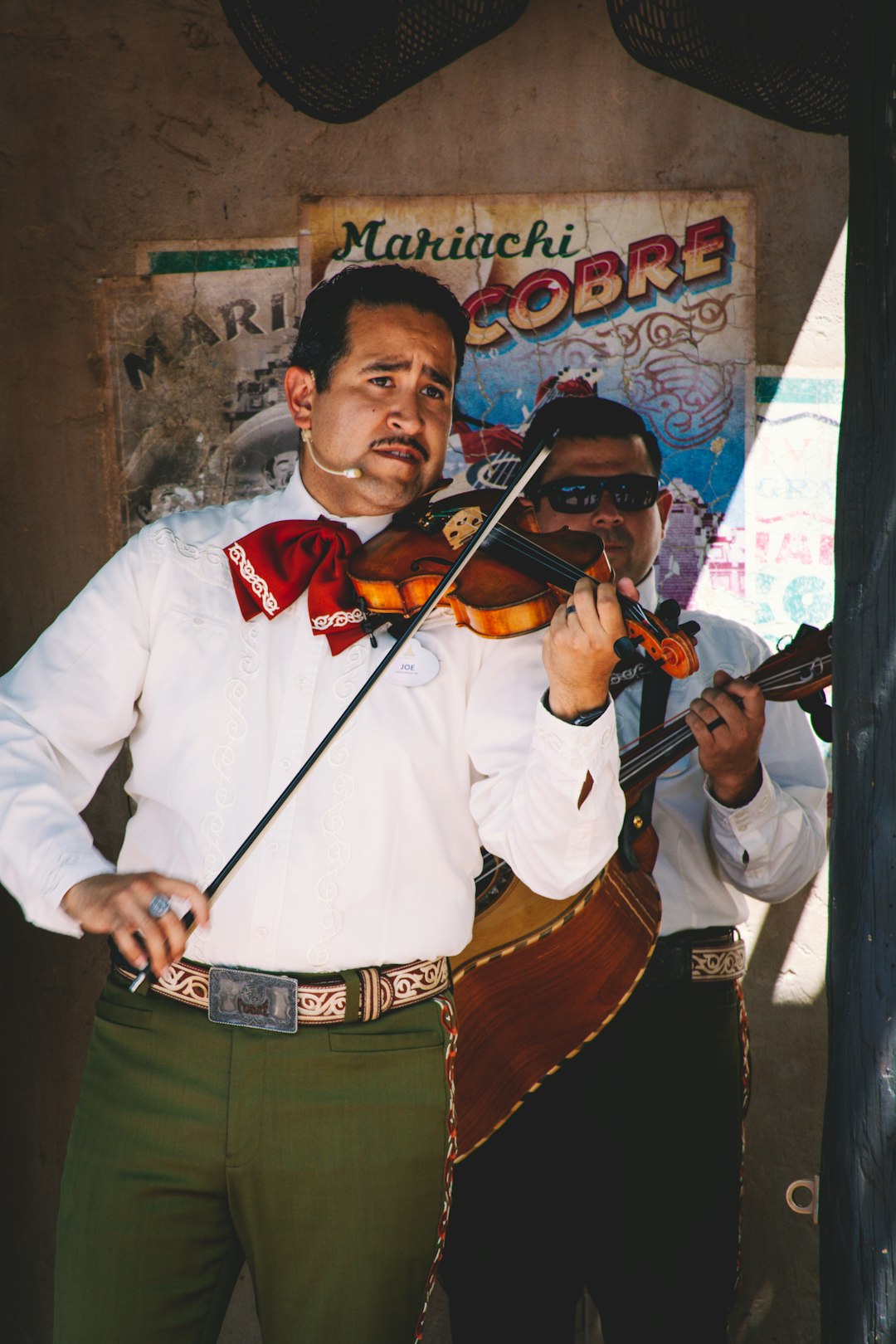
Folk dance costumes do more than dress a performer—they embody centuries of cultural knowledge, signal regional identity, and must survive the physical demands of live performance. Whether you're preparing your first Ukrainian hopak or costuming an entire Irish step troupe, this guide moves beyond generic advice to help you build wardrobes that honor tradition while meeting modern practical needs.
Know Your Dance: Research Before You Shop
[For First-Time Performers]
Every folk dance tradition carries specific visual codes. A Flamenco bata de cola requires entirely different construction than a Bharatanatyam saree, yet both demand equal precision. Before purchasing anything, document your sources:
- Photograph traditional examples from museum collections, cultural festivals, or archival recordings
- Consult practitioners from the dance's originating community—costume sellers may prioritize aesthetics over accuracy
- Study movement requirements: A Bulgarian Shopsko dance with rapid knee bends needs different skirt engineering than a stately English Morris procession
Red flag: Any vendor advertising "universal folk dance costume." No such thing exists.
[For Dance Troupe Directors]
Establish a research binder for each repertoire piece. Include fabric swatches, construction notes, and cultural context. This documentation protects against drift—gradual, unintentional changes that erode authenticity over successive performances.
The Movement-Fabric Marriage
Generic advice recommends "natural fabrics" without acknowledging that performance contexts vary dramatically. Here's how to choose materials that actually work:
The 30-Second Squat Test
Before committing to any fabric, cut a generous swatch and perform your dance's most demanding movement repeatedly. Does it bind? Ride up? Create audible friction? If you cannot complete thirty seconds without adjustment, the fabric fails regardless of its traditional pedigree.
Climate-Specific Engineering
| Environment | Traditional Choice | Modern Adaptation |
|---|---|---|
| Outdoor summer festivals | Lightweight cotton, linen | Moisture-wicking bamboo blends with traditional surface printing |
| Cold-weather processions | Heavy wool felted skirts | Wool exteriors with breathable lining to prevent overheating during active passages |
| High-intensity competitive stages | Varies by tradition | Strategic synthetic panels in hidden areas (underarms, waistbands) for sweat management |
When Synthetic Actually Works
Machine embroidery can replicate hand-stitched visual impact at one-tenth the cost—appropriate for student troupes or high-wear rehearsal pieces. Be transparent about these choices; audiences generally forgive practical adaptations when they're not disguised as something they're not.
Reading the Visual Vocabulary
Colors and patterns carry specific, non-interchangeable meanings across folk dance traditions. Ignoring these codes doesn't just look ignorant—it can cause genuine offense.
Specific examples:
- Ukrainian vyshyvanka embroidery: Geometric red-and-black patterns historically encoded regional identity and protective symbolism. The placement of motifs matters as much as their design.
- Rajasthani ghagra skirts: Swirling paisleys signal festival celebration; muted palettes indicate mourning or devotional contexts.
- Chinese Hanfu-derived dance costumes: White signifies death and mourning in many regional traditions—catastrophically inappropriate for celebratory pieces.
- Irish step dance dresses: Celtic knot complexity historically indicated family status and county origin; modern competitive designs often abandon these codes for visual impact.
For Costume Designers: Build a reference library of regional color dictionaries. When in doubt, consult cultural practitioners rather than relying on Pinterest aesthetics.
The Accessory Threshold
Jewelry, headpieces, and adornments operate on a narrow spectrum: they either amplify movement or destroy it. The difference lies in physics, not aesthetics.
Enhancement indicators:
- Secure fastening that survives rapid direction changes
- Weight distribution that doesn't alter posture or balance
- Acoustic properties that complement rhythmic footwork (think Spanish castanets, not clanging metal)
Distraction warnings:
- Dangling elements that require monitoring during performance
- Sharp edges that catch fabric or skin
- Pieces that shift center of gravity unpredictably
[For Competitive Performers]
Judges often penalize "costume malfunctions" more severely than minor technical errors. Test every accessory through complete dress rehearsals, including entrances and exits.
Building for Longevity
Traditional folk dance costumes represent significant investment—financially and culturally. Protect that investment through construction awareness, not just label-following.
Quality Assessment Checklist
Before purchasing or commissioning:
- [ ] Seams finished with French or flat-felled construction (not serged edges that unravel under stress)
- [ ] Embroidery secured with backing appropriate to thread weight
- [ ] Fastenings reinforced at stress points (waistbands, shoulder straps)
- [ ] Hem allowances sufficient for future alterations
Storage for Heavy or Delicate Pieces
| Garment Type | Storage Solution | Avoid |
|---|---|---|
| Beaded bod |