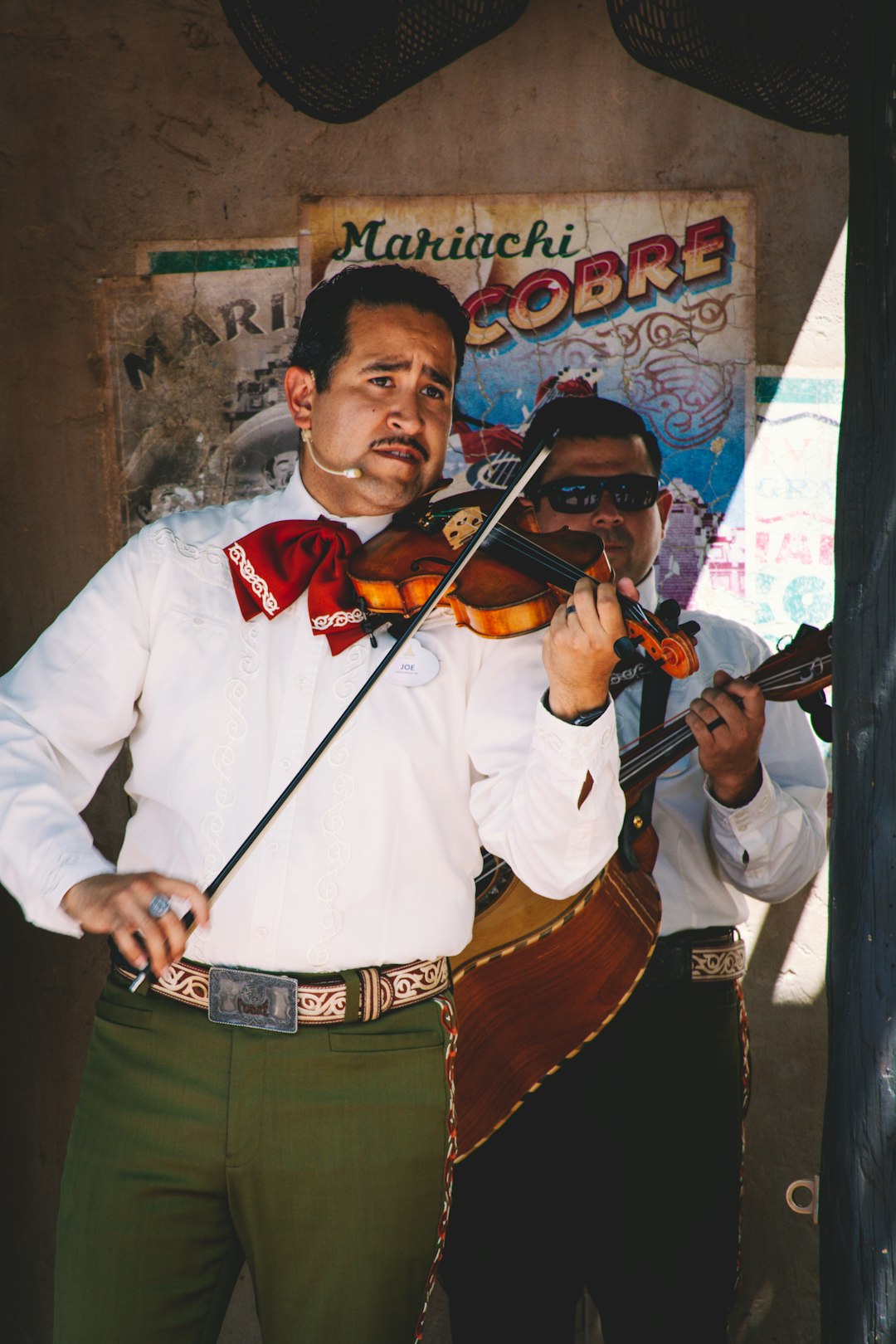
Maria arrived at her first Bulgarian horo class wearing cross-trainers and a cotton sundress. Within ten minutes, she'd twisted an ankle, snagged her hem on a neighbor's belt, and was sweating through fabric that clung in all the wrong places. She almost didn't return. But the instructor lent her a pair of leather-soled practice shoes, someone produced a hair tie, and by evening's end, Maria was hooked—awkward, sweaty, and grinning in a circle of strangers who'd become temporary kin.
If Maria's hesitation sounds familiar, you're not alone. Most adults who consider folk dancing talk themselves out of it first: I'm too old. I have two left feet. I don't know the culture. These fears are normal, and they're almost always unfounded. Folk dance traditions worldwide were built for communities, not conservatory graduates. Your willingness to show up matters more than your coordination.
What Folk Dance Actually Is
Folk dance is living cultural practice—often passed orally and kinesthetically through generations, rather than through written notation. A Romanian hora, danced at weddings with linked arms and circling steps, differs profoundly from the improvisational sevillanas of southern Spain or the precision of English Morris dancing with its bells and handkerchiefs. These distinctions reflect not just geography but social function: some dances mark harvests or rites of passage; others build communal cohesion through synchronized movement.
Unlike performance dance forms choreographed for audiences, folk dance typically prioritizes participation. The goal is rarely individual virtuosity but collective experience—everyone dancing together, whether in lines, circles, couples, or scattered formations.
Choosing Your First Tradition
With thousands of folk dance styles worldwide, narrowing your options can feel overwhelming. Start with practical considerations:
- Music that moves you. Do you gravitate toward fiddle-driven melodies? Complex Balkan rhythms in odd time signatures? Drumming traditions? Listen to recordings from different regions and notice your physical response.
- Physical demands. Some traditions, like Hungarian csárdás, involve vigorous jumping and turning. Others, like American contra dance, are more accessible to beginners with varying mobility.
- Community access. A thriving local scene matters more than romantic notions of a distant culture. A mediocre instructor in a welcoming weekly gathering often beats a prestigious tradition with no nearby practitioners.
Where to sample: Attend a local folk dance festival or international music night. Many cities host free or low-cost events where multiple traditions are demonstrated. Seeing dances performed live—feeling the floor vibrate, watching dancers negotiate space together—reveals what videos cannot. Note which styles make you want to join the line.
Your First Class: What to Expect
Walking into an unfamiliar movement tradition triggers vulnerability. Knowing what to bring and expect reduces that anxiety considerably.
| Element | Guidance | Why It Matters |
|---|---|---|
| Footwear | Leather-soled shoes or socks for indoor classes; avoid rubber-soled sneakers | Rubber grips too aggressively, straining knees and disrupting turning movements central to many traditions |
| Attire | Comfortable clothes allowing free movement; layers for temperature variation | Some traditions (e.g., Scottish country dance) may suggest specific dress for social balls, but classes are casual |
| Timing | Arrive 10 minutes early to introduce yourself to the instructor | Many folk dances require partnered or group formations; punctuality respects others' time |
| Disclosures | Inform the instructor of injuries, pregnancy, or mobility considerations | Adaptations exist for most limitations; silence prevents receiving them |
| Hydration | Bring water; some venues lack fountains | Folk dance is more physically demanding than appearances suggest |
Expect to feel disoriented. Many traditions use movement vocabularies foreign to social dancing or gym classes—steps initiated from different body centers, asymmetrical phrases, or rhythmic patterns your ear hasn't yet learned to parse. This confusion is temporary and shared by every dancer in the room.
Finding Quality Instruction
Not all teachers are equally skilled at welcoming beginners. Evaluate potential instructors by asking:
- Do they teach steps in context? Effective instructors explain not just how but why—the social function of a particular sequence, or regional variations.
- Do they correct gently and specifically? Vague praise ("great energy!") without concrete guidance slows progress.
- Is there a regular beginner cycle? Classes that mix absolute newcomers with advanced dancers continuously often leave beginners behind.
- What's the cost structure? Community folk dance groups frequently charge $5–$15 per session; dedicated studios may require monthly commitments. Ask about scholarship or work-trade options if cost is a barrier.
If local in-person instruction isn't available, structured online programs exist for several traditions. Prioritize those with live feedback components over pre-recorded series alone—real-time correction prevents embedding errors.