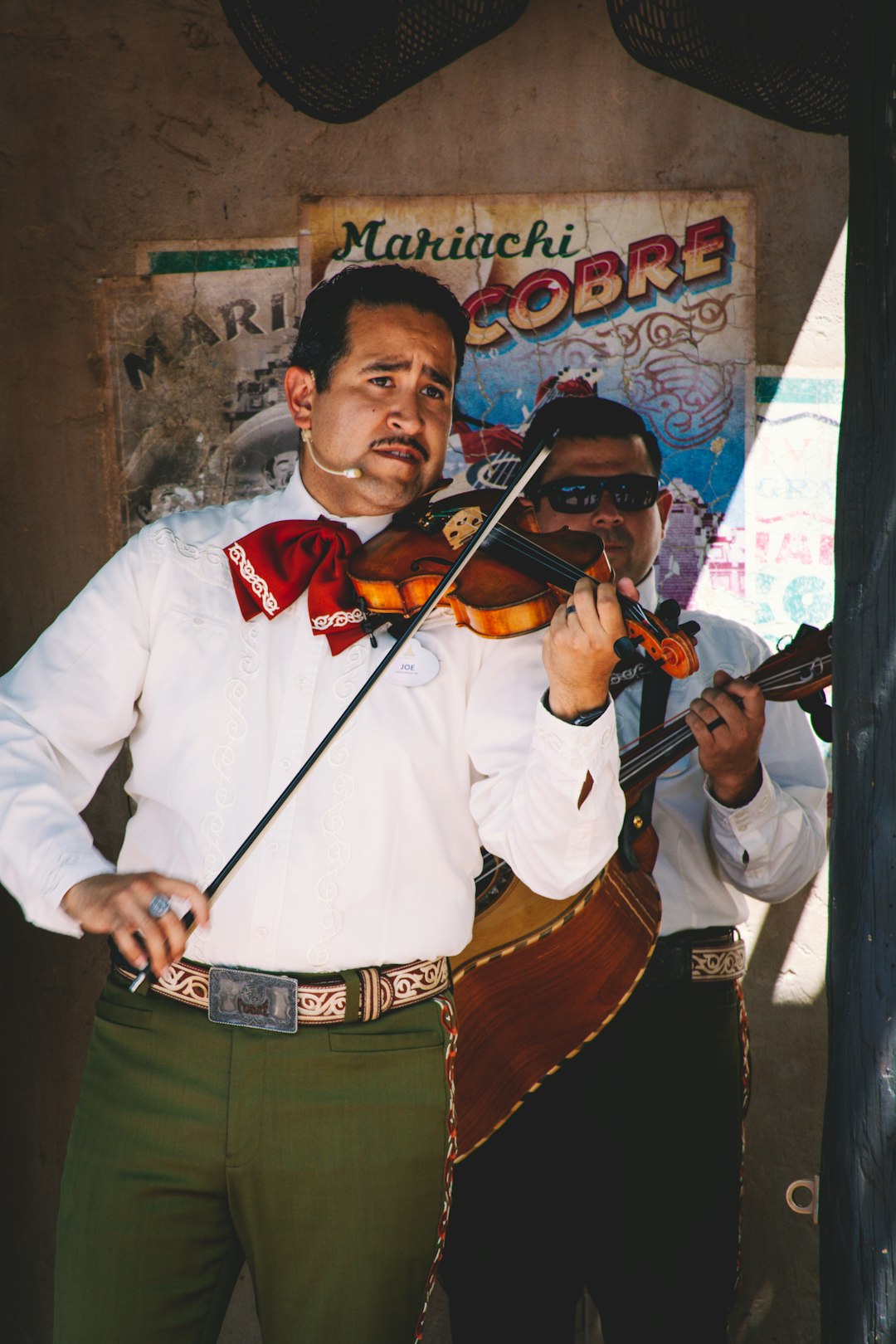
Unlike choreographed ballroom or freestyle social dancing, folk dance binds movement to heritage — each step carries the weight of collective memory. For beginners, this means fitness wrapped in story: you're not just burning calories, you're participating in living tradition.
From the lively footwork of Irish set dances to the intricate patterns of Bulgarian horo or the communal circle dances of Israeli folk dance, these traditions transform exercise into something people actually look forward to attending week after week.
What Folk Dance Actually Looks (and Feels) Like
Folk dance encompasses hundreds of regional traditions, but most share common DNA: group participation, repetitive patterns, and music that drives the movement.
Rather than improvised nightclub dancing or technically demanding ballet, folk dance relies on learned sequences performed collectively. You might join a circle holding hands with strangers, form lines that weave through each other, or pair off with partners who rotate every few minutes.
The music matters as much as the steps. A driving fiddle tune propels an English ceilidh at breakneck speed. A steady drumbeat anchors Greek syrtaki. A haunting bagpipe melody slows Scottish country dancing to measured, meditative pacing. The sonic environment fundamentally shapes the physical experience — and the fitness benefits.
Physical and Mental Benefits: Beyond Generic "Wellness"
Heart Health
A vigorous hour of English ceilidh or Greek line dancing burns 300–400 calories, comparable to brisk walking or light swimming. The interval-like nature — bursts of energetic movement followed by brief recovery periods — mirrors structured cardio training without the treadmill monotony.
Cognitive Protection
Learning patterned sequences — where step A always follows step B — creates neural benefits similar to learning a new language. Research on dance and dementia prevention consistently highlights folk dance specifically, likely because of its combined demands for spatial awareness, timing, and social coordination.
Balance and Coordination
Unlike gym machines that isolate muscle groups, folk dance requires proprioceptive awareness: knowing where your body is in space while moving through complex formations. This translates directly to fall prevention — particularly valuable for dancers over 50.
Social Connection Without Awkwardness
Many folk traditions use circle or line formations, eliminating the anxiety of asking strangers to dance. Mistakes become communal entertainment rather than individual embarrassment. Regular attendees often report stronger social networks than from other fitness activities, with friendships extending well beyond the dance floor.
Choosing Your Style: A Beginner's Comparison
| Style | Intensity | Learning Curve | Social Structure | Best For |
|---|---|---|---|---|
| Contra Dance (New England/US) | Moderate-High | Gentle | Partner rotation, lines | Social butterflies, live music lovers |
| International Folk Dance | Variable | Moderate | Mixed formations | Curiosity about multiple cultures |
| English Ceilidh | High | Gentle | Partner/group mixing | High-energy fitness seekers |
| Scottish Country Dance | Moderate | Steeper | Set formations | Pattern-lovers, history enthusiasts |
| Balkan Line Dances | Moderate-High | Moderate | Lines, no partners required | Those who prefer solo autonomy within community |
Your First Class: What Actually Happens
Understanding typical structure eliminates beginner anxiety:
The Walk-Through (15–20 minutes) Instructors demonstrate basic steps without music, often using verbal "cues" that become familiar over time: "honor your partner," "balance and swing," "cast off right."
Guided Dancing (30–40 minutes) Music begins. Callers continue prompting until the pattern locks in. Experienced dancers position themselves strategically — often at the ends of lines or near beginners — to help newcomers visually.
Social Dancing (remainder) Less instruction, more flow. This is where the cardiovascular payoff peaks and the "fitness" aspect becomes undeniable.
Critical reassurance: Mistakes are expected and handled communally. If you crash into someone, you laugh, reset, and continue. The culture prioritizes participation over perfection.
Finding Quality Instruction (and Avoiding Pitfalls)
Where to Look
- Search "[your city] + contra dance," "[your city] + international folk dance," or "[your city] + [specific cultural] dance"
- Check community colleges, YMCAs, and cultural heritage organizations
- Meetup.com and Facebook groups often list grassroots gatherings
Red Flags
- No cultural context provided: Quality instruction acknowledges origins
- "Folk dance" as generic branding: Authentic traditions have names
- Expensive costume requirements: Most welcome beginners in ordinary comfortable clothes
Green Flags
- Free or low-cost first nights
- Explicit "no partner needed" language
- Mixed-age attendance
- Live musicians rather than recorded music
Respectful Participation: A Brief Guide
Folk dance