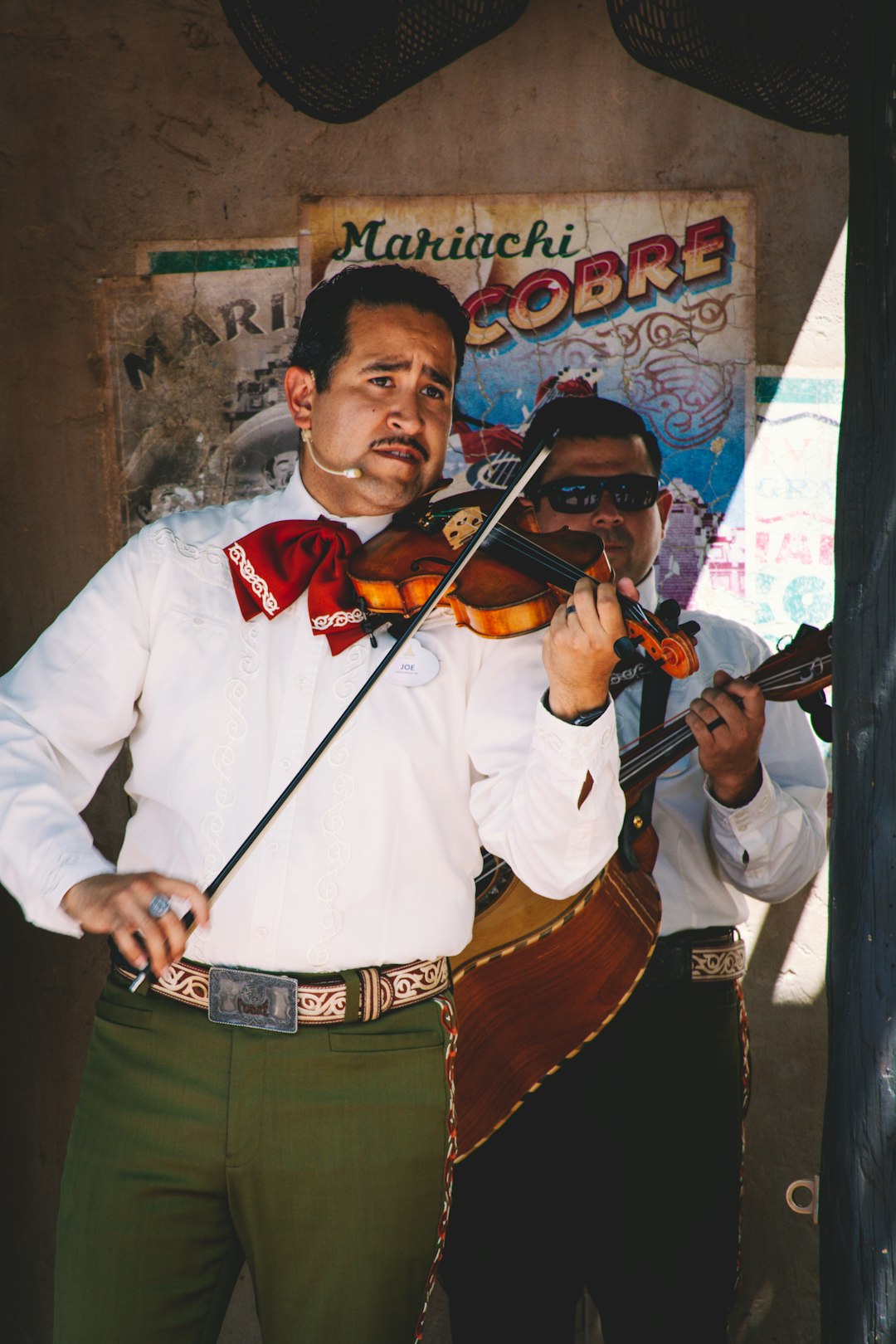
Folk dance invites everyone to the floor—no prior experience required. Whether you've never tied a ghillie shoe or you're returning to dance after years away, understanding the building blocks of folk dance opens the door to movement traditions that have connected communities for centuries. This guide walks you through the foundational elements of folk dance, breaks down three distinct styles with genuine instructional detail, and shows why respecting the culture behind the steps matters as much as the footwork itself.
What Makes Folk Dance Different?
Before learning any specific steps, it helps to recognize what unites folk dance across regions. Unlike performance-focused classical styles, folk dance traditionally grows out of community gatherings, celebrations, and daily life. This origin shapes everything from the music to the group formations.
Three elements deserve your attention from day one:
- Posture: Most folk dances favor an upright, energized spine with relaxed shoulders. Think "proud but approachable" rather than the rigid alignment of ballet.
- Rhythm awareness: Folk dance rhythms often mirror speech patterns, work songs, or natural phenomena like waves or footsteps. Listen for the pulse first, then the ornamentation.
- Group dynamics: Many folk dances are social by design. Learning to move in unison, in circles, or in partnered lines is as important as nailing any solo step.
Key Tip: Start by clapping or stepping along to recordings of traditional music before attempting full choreography. Your body will internalize the timing faster than your brain can analyze it.
The Treble Jig (Irish Step Dance)
Irish step dance exploded onto the global stage in the 1990s, but its roots reach back centuries in Irish competitive and social dance. The treble jig stands out for its combination of hopping height and percussive foot strikes, all performed with characteristic stillness in the upper body.
Starting position: Stand with feet parallel and hip-width apart, weight forward on the balls of the feet, heels slightly lifted. Arms hang loosely at your sides.
- Hop on the right foot, driving the left knee upward to hip height (count 1).
- Strike the left toe sharply against the floor in front of you, keeping the knee lifted (count "and").
- Hop again on the right foot as the left toe brushes back to starting position (count 2).
- Transfer weight onto the left foot and repeat the full pattern on the opposite side.
Timing: Treble jigs follow a 6/8 meter, counted as "1-and-a, 2-and-a." The hops land on the downbeats; the toe strikes fill the "and-a" subdivisions.
Common mistake: Letting the heel drop between hops. Keep the working heel raised throughout to maintain the quick rebound needed for the next movement.
Practice drill: Perform eight slow repetitions on each foot to a metronome set at 60 BPM. Only increase tempo once you can execute the pattern without looking down.
Zapateado (Ballet Folklórico)
Mexican Ballet Folklórico synthesizes regional dance traditions into theatrical presentations, and the zapateado provides its percussive heartbeat. Derived from the Spanish word for "shoe" (zapato), this technique transforms the dancer's feet into instruments that converse directly with the music.
Starting position: Stand with feet in first position (heels together, toes turned out approximately 45 degrees), knees soft, chest lifted, and arms curved in front as if holding a wide basket.
- Stamp the right foot firmly into the floor, ball then heel, without shifting weight onto it (count 1).
- Brush the right toe outward along the floor, creating a light scraping sound (count "and").
- Step onto the right foot with a full transfer of weight (count 2).
- Execute a heel drop on the left foot while the right remains planted (count "and").
- Repeat the sequence beginning with the left foot.
Timing: Zapateado patterns typically align with 2/4 or 4/4 ranchera and jarabe music. The stamps accent strong beats; the brushes and heel drops fill the rhythmic texture.
Common mistake: Stamping too heavily and locking the knee. The sound should be crisp and controlled, not brutal. Maintain a slight knee bend to protect your joints and keep the movement flowing.
Practice drill: Stand facing a wall with palms lightly pressed against it. Practice only the stamping and brushing motions for two minutes per foot, focusing on sound quality rather than speed.
Garba (Gujarat, India)
Garba embodies the circular, communal spirit of folk dance at its finest. Performed during the Navratri festival, this Gujarati tradition features dancers moving in concentric circles around a central lamp or image,