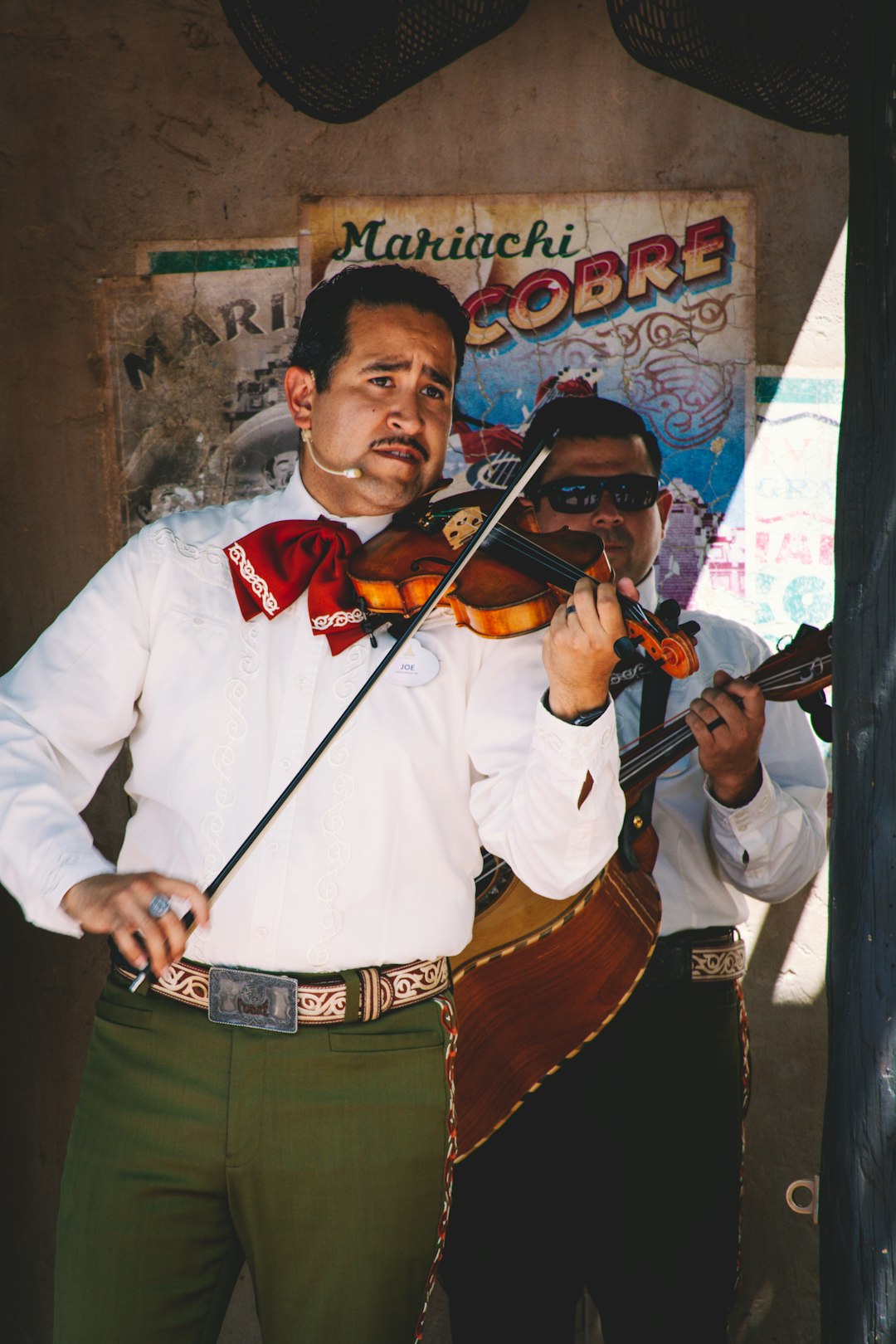
When Jean Butler raised her arms in a sweeping balletic arc during the 1994 Eurovision Song Contest, traditional Irish dance purists recoiled. Rigid torsos and pinned elbows were sacred conventions of Irish step—until Riverdance shattered them. Within months, that single choreographic choice transformed a folk form into a global phenomenon, sparking debates that continue today: Who decides when tradition evolves? Who benefits from the change?
The fusion of folk and contemporary dance isn't merely aesthetic experimentation—it's cultural negotiation. For choreographers and dancers navigating this terrain, success requires more than creative instinct. It demands rigorous research, technical precision, and accountability to the communities whose heritage you carry.
The Stakes: Why Fusion Requires Care
Every folk form emerged from specific economic conditions, religious practices, and social structures. Ukrainian hopak developed from Cossack military training. Bharatanatyam was reconstructed from temple traditions after colonial suppression. Flamenco grew from the marginalized gitanos of Andalusia. These aren't movement vocabularies to borrow casually—they're living archives of survival and resistance.
Modernization carries documented risks. In the 1990s, unauthorized "tribal fusion" belly dance sparked lawsuits from Egyptian choreographers. More recently, TikTok creators have faced backlash for divorcing Indigenous powwow steps from their ceremonial contexts. The question isn't whether fusion should happen—it's how to honor source communities while creating work that resonates with contemporary audiences.
Four Anchors of Respectful Fusion
Anchor 1: Embodied Research—Learning From Source, Not Screen
Before touching a single "modern" movement, commit to deep traditional study. This means:
- Training with cultural bearers, not consuming YouTube tutorials. Seek teachers embedded in community practice who can transmit context alongside technique.
- Documenting your lineage. Note your teachers, their teachers, and the specific regional variant you're studying. Irish sean-nós differs radically from competitive step; Rajasthani ghoomar varies by caste and occasion.
- Understanding functional origins. Why did this movement develop? The percussive footwork of tap and Appalachian clog both emerged from enslaved people forbidden from drum ownership. That history matters to how you deploy the vocabulary.
Practical tool: Create a "movement genealogy" document tracking every traditional phrase you plan to adapt, including its cultural context, original purpose, and your personal learning source.
Anchor 2: Anatomical Translation—Where and How to Fuse
Vague advice to "add hip-hop" or "incorporate contemporary" fails choreographers. Instead, identify pressure points in traditional phrases—moments where the movement naturally invites expansion. These typically occur at:
| Pressure Point | Traditional Characteristic | Fusion Intervention |
|---|---|---|
| Rhythmic transitions | Predictable meter | Syncopated break or pause |
| Directional shifts | Linear pathways | Diagonal floor patterns or level changes |
| Torso conventions | Rigid or fluid spine | Contrasting release—isolation sequences |
| Spatial boundaries | Fixed performance space | Expanded kinesphere or traveling sequences |
Example: In traditional Ukrainian hopak, male dancers execute high jumps (prysyadky) with vertical emphasis. Contemporary choreographer Virsky transformed these by adding horizontal rotation mid-air and landing into modern dance floor work—expanding the spatial vocabulary while maintaining the jump's athletic signature.
Test interventions systematically: record traditional and fused versions, compare frame-by-frame, and assess whether the core kinetic identity remains recognizable.
Anchor 3: Cultural Accountability—Governance and Consent
"Respecting cultural significance" requires structural protocols, not good intentions. Implement these practices:
Consult community archives and elders. Many traditions have formal or informal governance. The Royal Scottish Country Dance Society maintains strict certification for teachers. Native American powwow committees regulate competition categories. Identify your tradition's decision-makers and seek dialogue before public performance.
Document transparently. Program notes should state: your training background, specific changes made to traditional material, and any community consultation undertaken. This isn't defensive—it's educational for audiences and accountable to source communities.
Share economic benefit. If your fusion work generates revenue, direct portions to traditional arts organizations in the source culture. The commercial success of Riverdance eventually funded traditional Irish music education; model this intentionally.
Accept "no." Some communities reject all modification. The Maori haka has specific protocols limiting performance context. If elders decline your fusion proposal, honor that boundary without resentment.
Anchor 4: Iterative Dialogue—Refinement Through Community Feedback
Solo studio practice insufficiently tests fusion work. Establish feedback loops:
- Private showings for cultural bearers before public premiere. Record their observations on movement integrity, costume choices, and musical pairing.
- Post-performance surveys