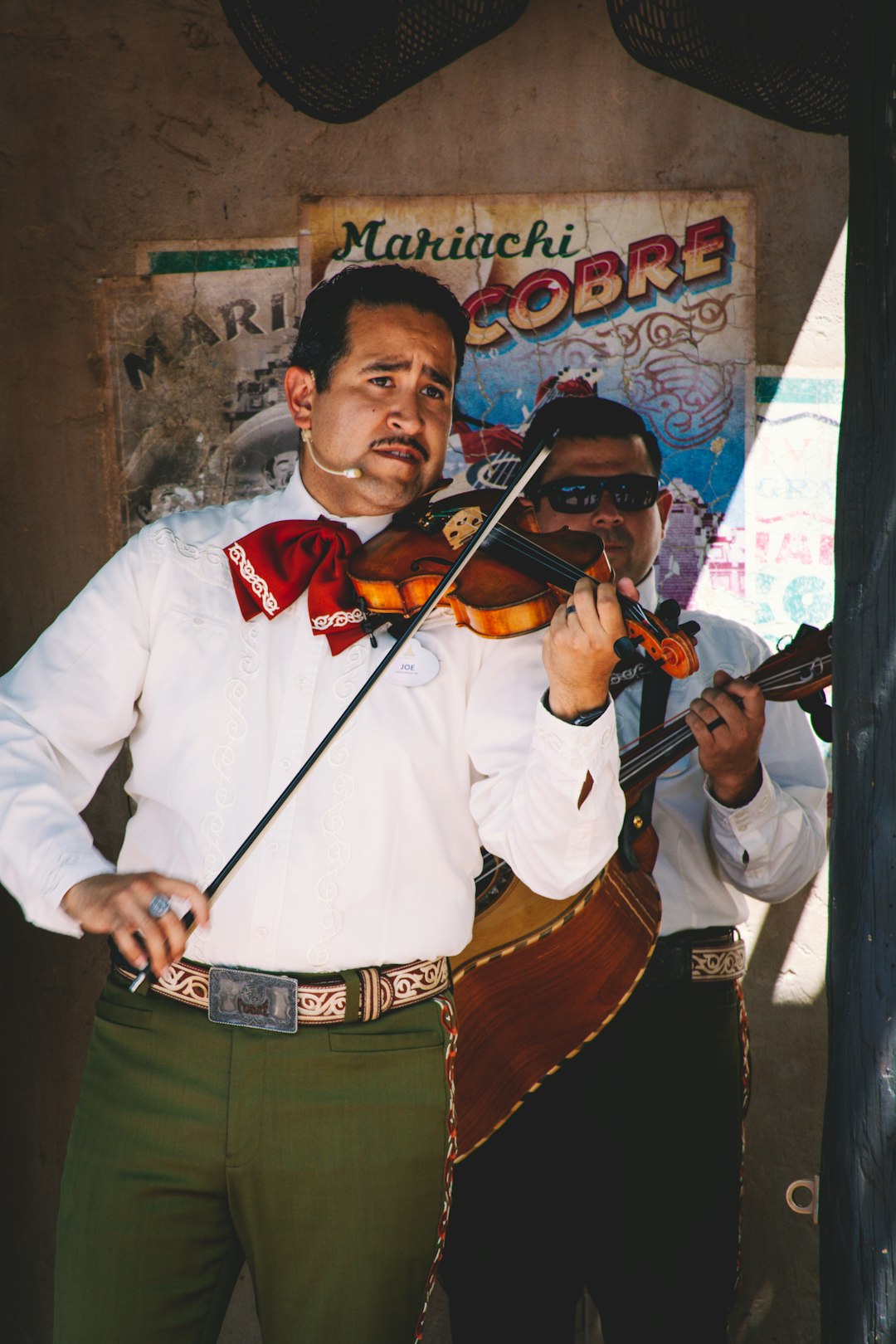
In a Mumbai warehouse this past March, 300 young dancers packed the floor for a performance they had discovered on Instagram. On stage, the Leela Institute's kathak troupe traded rhythms with a local krump crew, their ghungroo bells syncopating against chest pops and footwork battles. Two weeks later, in a Transylvanian village hall barely large enough for its accordion player, the Héttorony ensemble performed a csárdás unchanged since the 19th century—except that one dancer livestreamed the set to 12,000 followers on TikTok. These two scenes, 3,500 miles apart, capture the central tension of folk dance in 2024: the pull between preservation and reinvention, between the hyperlocal and the algorithmically global.
When Folk Meets Hip-Hop and EDM
Fusion is no longer a fringe experiment. It has become a primary engine of audience growth—and a source of heated debate.
Take the Bulgarian choreographer Petar Kirov, whose Sofia-based ensemble Nesto spent 2023–2024 developing Martenitsa/Break, a piece that layers horo circle-dance footwork with breaking power moves. The work premiered at the Vienna International Dance Festival in January and has since been booked by twelve European venues. Kirov describes the project as "not a remix but a conversation": his dancers trained for eight months in both horo and breaking to ensure neither form was treated as decorative filler.
In India, the producer-DJ Nucleya has taken a different route. His 2024 album Taal features collaborations with garba dancers from Gujarat, whose traditional stick-and-circle patterns were motion-captured and translated into visual projections for his arena tour. Ticket sales for the Indian leg exceeded 180,000. Purists have criticized the project on social media for stripping garba of its religious context; defenders note that Nucleya's team includes three garba masters who receive songwriting credits and touring royalties.
These cases illustrate what is at stake. Fusion can introduce folk forms to new generations and new revenue streams. It can also flatten meaning, reduce skilled traditions to aesthetic accents, and concentrate profits with commercial artists rather than community custodians.
The Algorithm as Stage
The digital transformation of folk dance is not abstract. It is happening on specific platforms, with measurable effects.
TikTok has become the dominant discovery engine. The hashtag #folkdance has accumulated 8.7 billion views globally as of October 2024. Among the breakout stars is Aida Jamangulova, a 22-year-old dancer from Kyrgyzstan's Naryn Province, whose videos of komuz-accompanied kyz oyunu have earned her 2.3 million followers and a sponsorship from a Bishkek textile company seeking to promote traditional embroidery. Jamangulova now funds a weekly workshop in her home village, where teenagers learn dances that many had previously dismissed as old-fashioned.
YouTube and niche platforms like DancePlug and Marquee TV have enabled more sustained documentary engagement. The 2024 release The Living Step, a six-part series on Netflix, followed preservationists in Ghana, Georgia, and Guatemala. Episode viewership peaked at 14 million in its first month, and the production team has credited the series with a 340% increase in inquiries to the three featured cultural centers.
Virtual reality remains smaller in scale but is gaining institutional traction. The Smithsonian's "Folk Dance Immersion" VR program, launched in April 2024, allows users to experience the hula in a reconstructed 18th-century Hawaiian heiau temple. Early data from 12,000 headset sessions suggests that users retain historical details 40% longer than through conventional video, according to the museum's internal evaluation.
Yet the digital boom carries risks. Viral success can trigger tourism surges that strain local infrastructure. In Bali, the popularity of kecak fire-dance clips has led to complaints of overperformance: some troupes now stage six shows nightly for bussed-in audiences, with shortened routines and diluted spiritual content.
The Preservation Paradox
Governments and nonprofits are responding to these pressures with renewed investment in documentation and transmission—but their strategies vary widely.
UNESCO's 2024 Living Heritage Emergency Fund allocated $4.2 million to twenty-three folk dance projects, including the digitization of yokyoku dance notation in Japan and the creation of a master-apprentice program for tarantella traditions in southern Italy. The fund explicitly requires that grantees retain community control over any resulting digital content, a safeguard against commercial exploitation.
Some nations have taken a more top-down approach. China's Ministry of Culture announced in February that it would add 340 folk dance forms to its national intangible