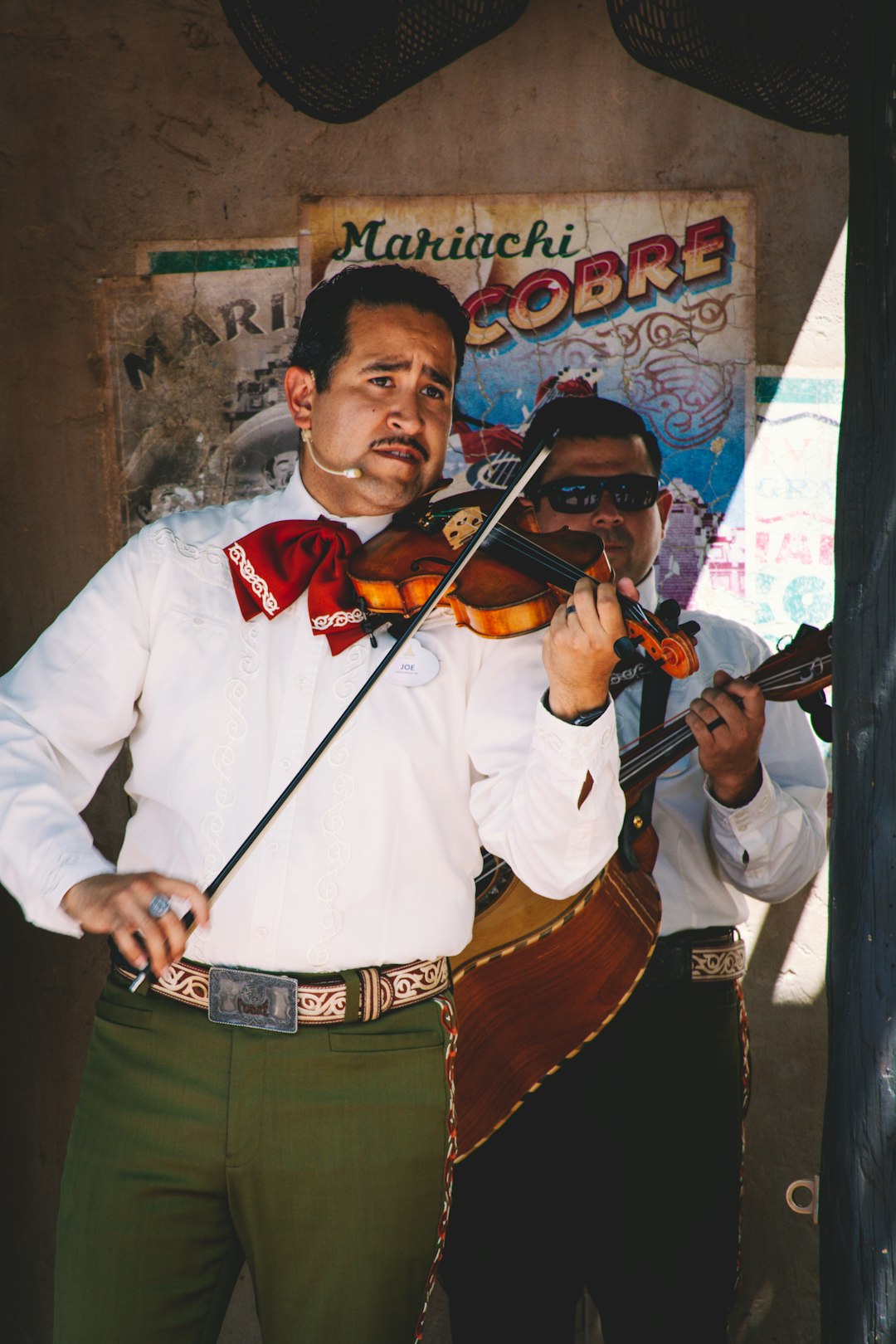
From the percussive rhythms of Irish step dance to the sweeping turns of Russian khorovod, folk dance traditions demand footwear that balances cultural authenticity with physical safety. Unlike standardized studio dance forms, folk dance presents unique challenges: outdoor festival stages, costume-integrated traditional shoes, and movement vocabularies developed over centuries for specific terrains.
This guide goes beyond generic dance advice to address what actually matters when selecting footwear for folk dance performance.
Do's
Do Research Your Specific Tradition
Folk dance is not monolithic. Each tradition carries distinct footwear expectations shaped by history, geography, and function.
| Dance Tradition | Footwear Consideration | Why It Matters |
|---|---|---|
| Irish Step Dance | Hard shoes with fiberglass tips vs. soft ghillies | Sound production and floor contact define the form |
| Flamenco | Heeled shoes with nailed soles | Essential for percussive zapateado technique |
| Balkan/Kolo | Opanci (leather moccasins) or thin-soled jazz shoes | Close floor connection for intricate footwork |
| English Morris | Clogs or athletic sneakers with bells | Weight-bearing jumps and outdoor surfaces |
| Israeli/Rikud | Often barefoot or minimalist dance sandals | Adapted to sand and dust performance conditions |
Before purchasing, consult with dance masters, cultural organizations, or competition rulebooks. Some performance contexts—heritage festivals, ethnographic presentations, or championship competitions—mandate historically accurate footwear. Commercial dance shoes may disqualify you or diminish cultural integrity.
Do Choose the Right Size and Fit
Your shoes should fit snugly without constriction. Folk dance often involves sustained periods of standing, rapid directional changes, and repetitive impact. Look for:
- Toe box room for natural splay during landings
- Heel lock without slippage during pivots
- Secure lacing or closure systems that won't loosen mid-performance
Do Prioritize Ankle Stability and Arch Support
Many folk dances include explosive movements that stress the lower extremities. Polish oberek and Hungarian csárdás feature jumps. Russian prisiadka demands repeated deep knee bends with controlled rebounds. Select footwear with:
- Adequate arch support for prolonged standing
- Ankle collar height appropriate to your dance's movement vocabulary
- Cushioning that absorbs impact without deadening floor connection
Do Consider Surface Adaptation
Folk dance frequently occurs on irregular surfaces: grass at Renaissance fairs, wooden festival stages, concrete cultural center floors, or sprung studio floors. A shoe perfect for one surface may be hazardous on another.
Practical approach: Own multiple pairs for different contexts, or select versatile soles with appropriate traction patterns. Test your shoes on the actual surface when possible.
Do Select Breathable Materials
Extended performances—common in festival settings or multi-dance competitions—generate significant foot heat. Leather uppers, mesh panels, or moisture-wicking linings prevent blister formation and maintain comfort across hours of wear.
Do Break In New Shoes Properly
Traditional leather footwear and rigid performance shoes require molding to your foot structure. Begin with short sessions:
- Wear around the house for 30–60 minutes daily
- Progress to light practice sessions
- Simulate performance conditions before debuting on stage
Don'ts
Don't Assume Standard Socks Will Suffice
Cotton athletic socks bunch and slip, compromising your footing. Many traditions have specific requirements: Irish dancers wear poodle socks that extend to the knee as integral costume elements; Greek dancers may use thin liner socks inside tsarouchia. Research your specific tradition, or choose moisture-wicking dance liners that grip the foot without adding bulk.
Don't Skimp on Quality Construction
Budget footwear often fails at critical moments: separating soles, failing eyelets, or compressed cushioning. Folk dance shoes must withstand irregular surfaces and repetitive stress. Inspect stitching, sole attachment methods, and material grade. Quality investment prevents mid-performance failure and reduces long-term replacement costs.
Don't Choose Shoes Based Only on Studio Conditions
The mirror-lined studio where you rehearse rarely matches your performance environment. That sleek leather sole ideal for sprung floors becomes treacherous on outdoor grass or polished concrete. Evaluate your actual performance calendar and select accordingly.
Don't Sacrifice Safety for Aesthetics
Ornate traditional footwear may lack modern support features. When costume requirements conflict with biomechanical safety, explore compromise solutions: custom orthotics inside permitted shoes, supportive underlayers, or modified traditional construction that preserves visual authenticity while protecting your body.
Don't Ignore Heel Height Implications
Folk dance footwear varies dramatically in heel elevation—from flat opanci to flamenco's substantial stacked heels. Unaccustomed heel heights alter weight distribution, knee tracking, and spinal alignment. Train progressively in performance-appropriate heel heights to prevent acute injury and chronic overuse conditions.
Don't Neglect Quick-Change Logistics
Multi-dance performances often require rapid