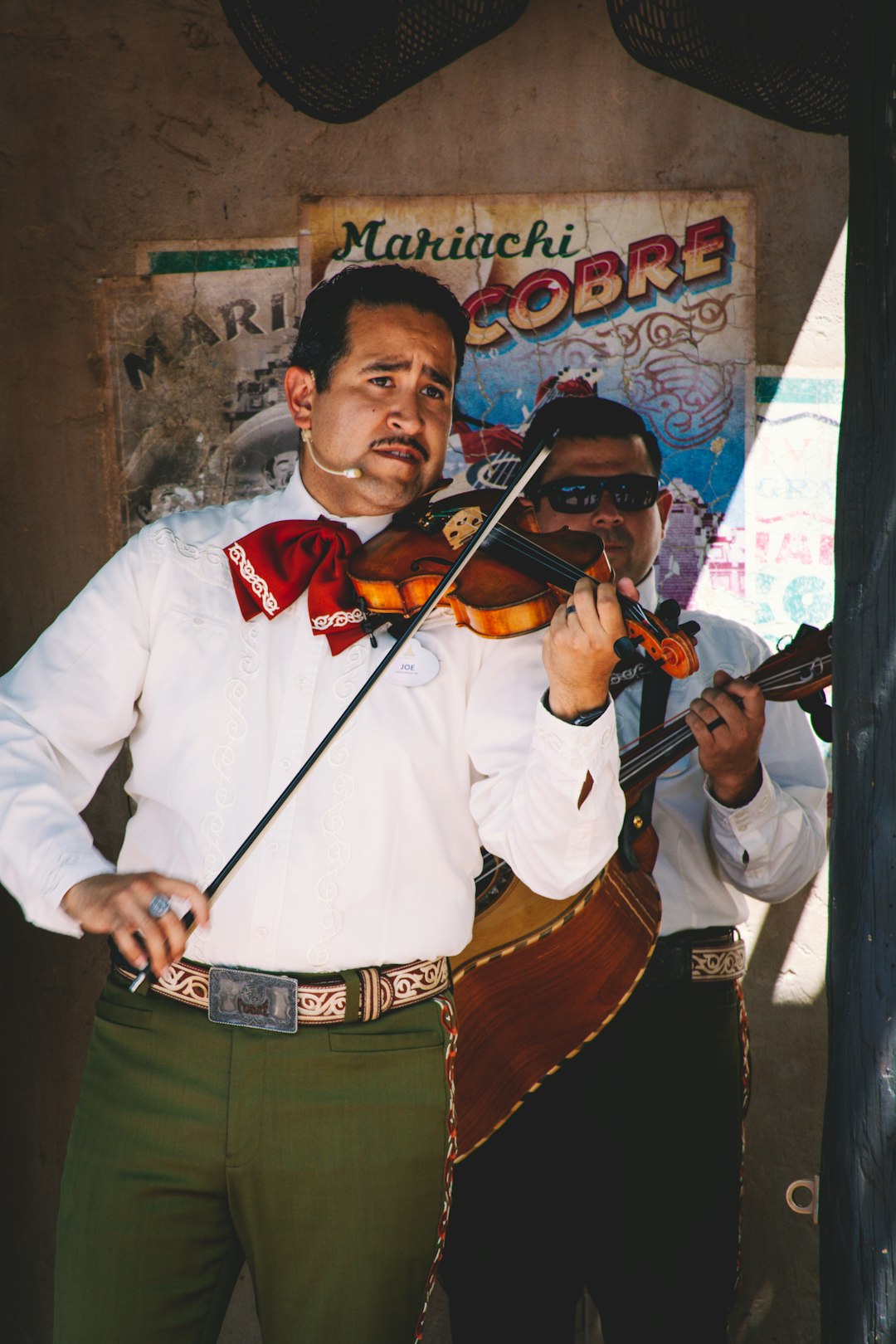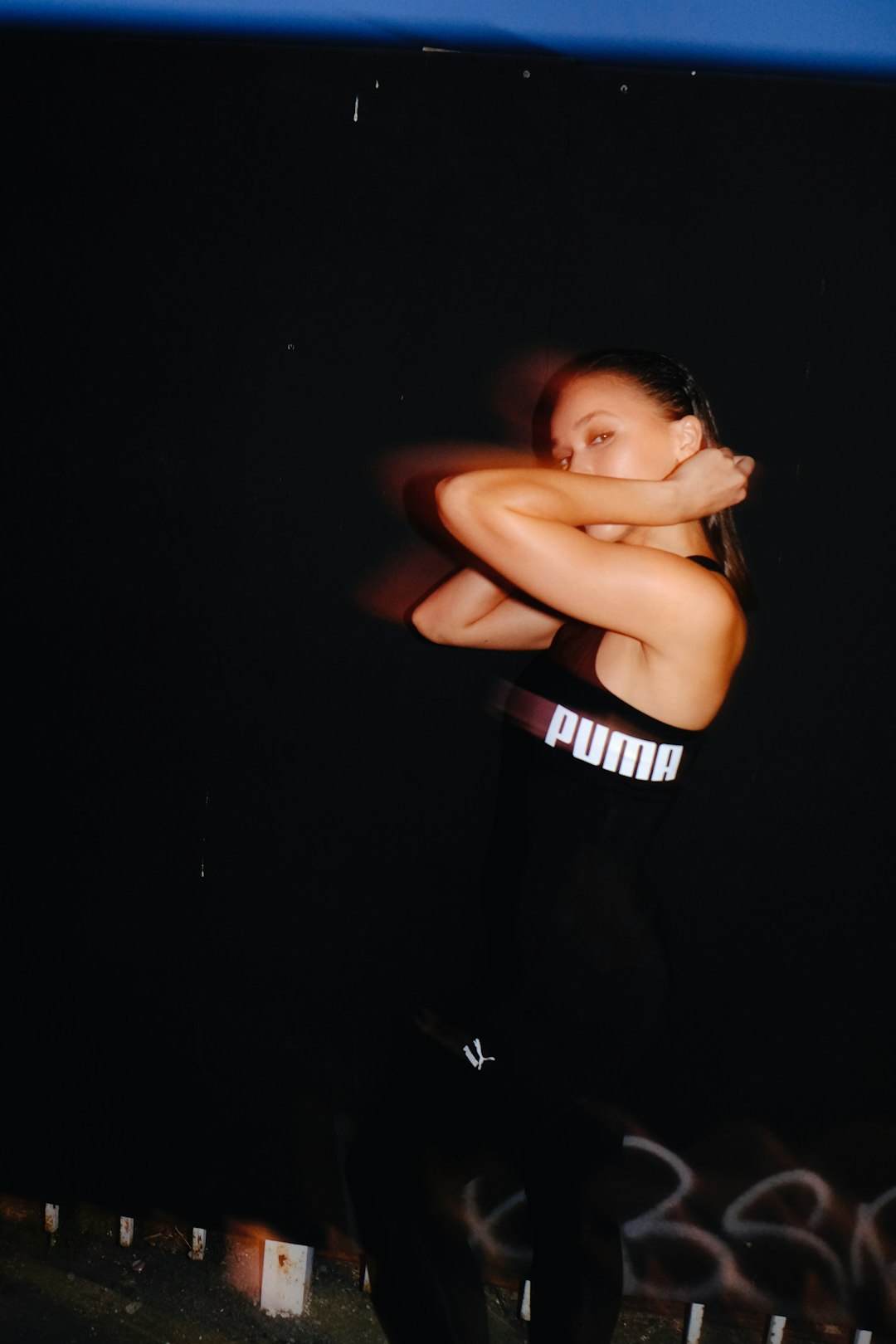
Whether you're preparing for your first international folk dance festival, joining a heritage performance group, or simply reconnecting with family traditions through dance, what you wear matters. The right wardrobe supports your body, honors the cultural context, and lets you focus on the joy of movement rather than wardrobe malfunctions.
This guide focuses on the shared foundations across many European and North American folk dance traditions—Irish set dancing, Ukrainian hopak, Bulgarian horo, Scandinavian bygdedans, and contra dancing among them. For highly specialized traditions like Indian bhangra or Mexican folklorico, seek tradition-specific resources (noted at the end).
Start from the Ground Up: Footwear That Works
Your shoes are your most important investment. Poor footwear leads to injury, limits your movement, and can damage dance floors.
Sole Construction
| Feature | Best For | Avoid |
|---|---|---|
| Split-sole leather | Flexibility, pointed styles (Irish, Scottish) | Rough outdoor surfaces |
| Full-sole suede | Stability, pivoting, older dancers | Brand-new dancers (less feedback) |
| Low heel (1-1.5") | Partnered dances, posture support | High-impact jumping styles |
| Flat sole | Contra, English country, long sessions | Dancers needing arch support |
Break-in strategy: Wear new shoes for 20-minute home sessions before dancing. Condition leather uppers with mink oil or beeswax; never machine-dry wet suede soles.
2024 note: Several small makers now offer custom width fittings and vegan microfiber alternatives that outperform early synthetic options. Brands like Dancemaster and Keds Studio have expanded inclusive sizing.
Practice Wear: Build a Capsule Wardrobe
Daily rehearsals demand durability and versatility. Aim for 3-4 interchangeable pieces that handle sweat, travel well, and layer easily.
Tops: Moisture-wicking bamboo or Tencel blends outperform cotton (which stays damp) and linen (which wrinkles irreparably). Look for raglan sleeves or gusseted underarms for arm lift. Avoid exposed zippers or hardware that could scratch partners.
Bottoms: A-line skirts with built-in shorts solve modesty concerns for spins and lifts. For pants, wide-leg styles in medium-weight jersey allow floor work without bulk. Elastic waistbands with drawstrings adjust through seasonal weight changes.
The layering system:
- Base: Sleeveless wicking top
- Mid: Long-sleeve lightweight layer (merino wool regulates temperature exceptionally)
- Outer: Wrap cardigan or vest for standing around between dances
Pro tip: Pack a "dance emergency kit" with safety pins, blister pads, a hair tie, and a spare base layer. Festival dressing rooms are often crowded and underheated.
Performance Costumes: Research, Respect, Investment
Traditional costumes (kroj, nosiya, bunad, dräkt) carry cultural weight beyond aesthetics. Wearing them thoughtfully requires homework.
Before you buy:
-
Identify the specific region and era. A "Ukrainian costume" could describe dozens of distinct embroidery styles. Consult with native community members, academic sources, or established dance ensembles.
-
Distinguish authentic from tourist-grade. Machine-embroidered polyester versions flood online marketplaces. Quality indicators: natural fibers (linen, wool, cotton), hand or hand-guided embroidery, proper undergarments (chemise, petticoats), correct head coverings.
-
Budget realistically. A complete authentic costume ranges from $400 (simple Eastern European) to $2,000+ (intricate Scandinavian or heavily embroidered pieces). Build gradually: start with blouse and skirt, add vest, then accessories.
Authenticity vs. appropriation: If you have no heritage connection to a tradition, proceed with community guidance. Some groups welcome respectful participation; others restrict ceremonial dress to cultural insiders. Ask directly.
Care and storage: Never hang heavy wool vests—they stretch. Store embroidered pieces flat in acid-free tissue, away from light. Dry-clean sparingly; spot-clean with distilled water and mild soap when possible.
The Hidden Essentials
These items rarely make "must-have" lists but separate prepared dancers from struggling ones.
Undergarments: Dance briefs (often called "dance belts" for men, "dance shorts" for women) provide coverage under flowing skirts. For high-impact jumping styles, a sports bra with encapsulation (not just compression) prevents tissue damage. Men in fitted pants may need athletic supporters.
Hair and head: Secure styles that survive spinning. French braids, pinned buns, or covered hair (per tradition) prevent dangerous whip-around and maintain neatness. Bobby pins should match hair color and be inserted in crossed