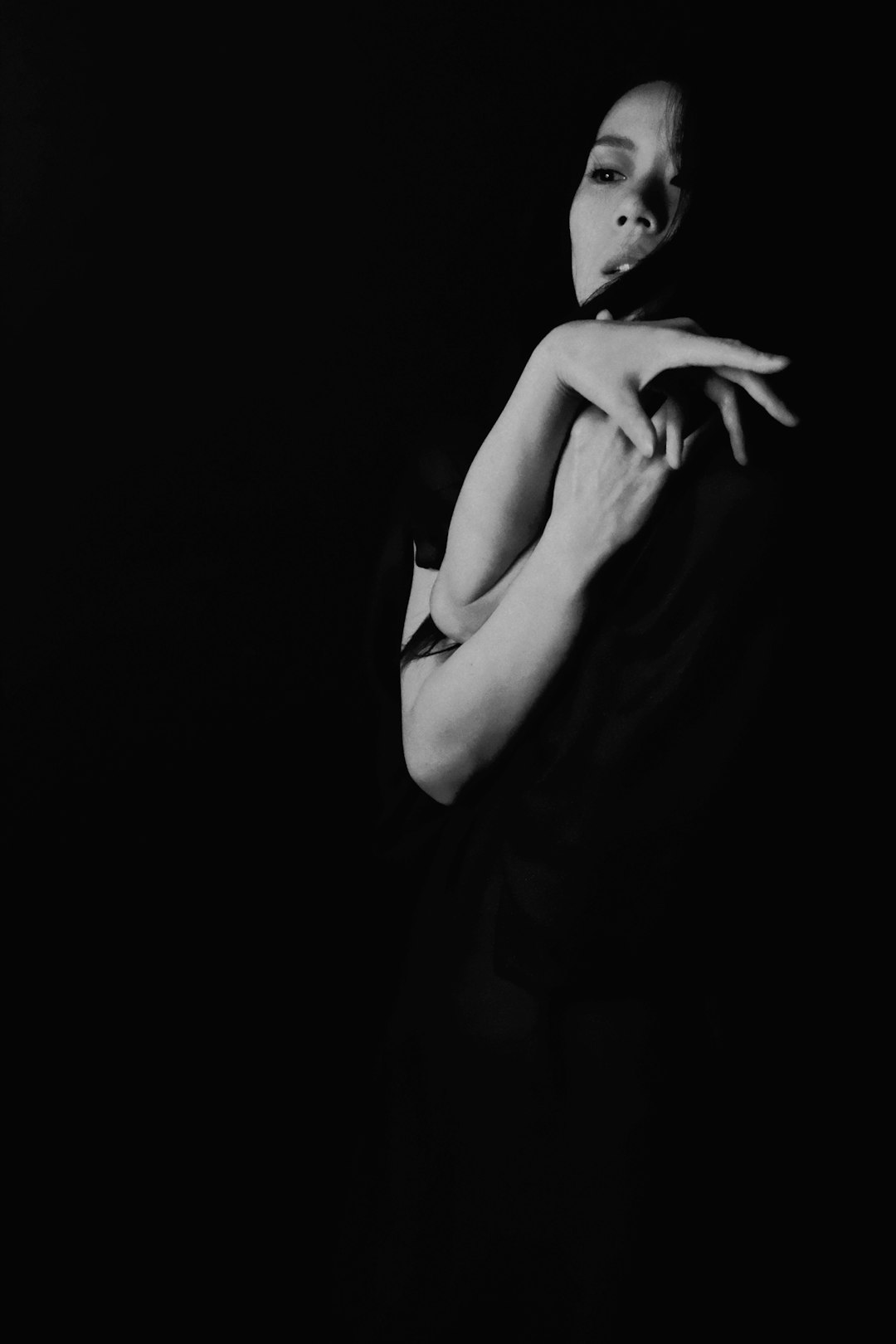
The first time you see it in person, not on a screen, the sound is what grabs you. Not the music—the scrape of a sneaker on cardboard, the sharp clap of a hand hitting concrete, the collective gasp of a circle of onlookers. Then the movement: someone folding in on themselves then exploding upward, defying joints and logic. This isn't just dance. It’s a conversation with gravity, and it starts with a simple decision to get on the floor.
Dropping In: More Than Just Moves
Forget the polished performances you might have seen. Breaking was born in the Bronx block parties of the ‘70s, a raw outlet for creativity with whatever you had—a piece of linoleum, a boombox, sheer willpower. That DNA is still there. When you start, you’re not just learning a six-step or a baby freeze. You’re learning a new language for your body, one where your hands become feet and your back becomes a pivot point. It’s humbling. Your wrists will ache. You’ll sweat in places you didn’t know had sweat glands. And that first time you hold a freeze for a solid two seconds, the victory is more real than any promotion.
The Unspoken Perks: What the Floor Teaches You
Sure, it’s an insane workout. But the real magic happens between the physical struggle. The floor is the great equalizer. In a cypher—the circle where dancers take turns—titles and bank accounts vanish. Respect is earned through originality and grit, not job titles. You’ll find yourself in a community of people who understand the obsession with perfecting a single power move for months. They become your coaches, your cheerleaders, your family. The stress of a looming deadline? It melts away when you’re focused solely on not crashing on your neck during a windmill attempt. Your brain goes quiet, and all that exists is the beat and your body’s attempt to answer it.
Your First Session: A Survival Guide
Walking into a practice spot or class can feel like stepping into a different world. Here’s the real talk:
- **Wear clothes you can crawl in.** Seriously. Baggy sweats and a tee you don’t mind stretching out. Forget looking cool; comfort is king.
- **Your foundation is everything.** Don’t even look at the power moves yet. Spend weeks on toprock (the standing footwork), downrock (the floor patterns), and getting your transitions smooth. This is your breaking alphabet.
- **Film yourself.** It feels awkward, but your phone is your best coach. What you *think* you look like and what you *actually* look like are two very different things. The footage doesn’t lie.
- **Listen to the music.** Breaking is danced to the "break" in a funk or hip-hop track. Learn to hear the snare drum, the bassline. Let the music tell your body when to hit, when to flow. Without the music, it’s just gymnastics.
The Grind Changes
The 9-to-5 doesn’t disappear. But your relationship with it does. You carry the day’s frustrations into the practice space and literally work them out on the floor. You start to see obstacles as challenges to move around, not walls to stop at. The discipline of drilling a move over and over translates into the patience for a tedious project. The creativity you unlock in a freestyle session starts bubbling up in problem-solving at your desk.
The concrete isn’t just a stage. It’s a teacher. And the lesson is simple: the most powerful chain you can break is the one that tells you your body can only move in the ways your job description demands. The floor is waiting. What will you say when it’s your turn in the circle?