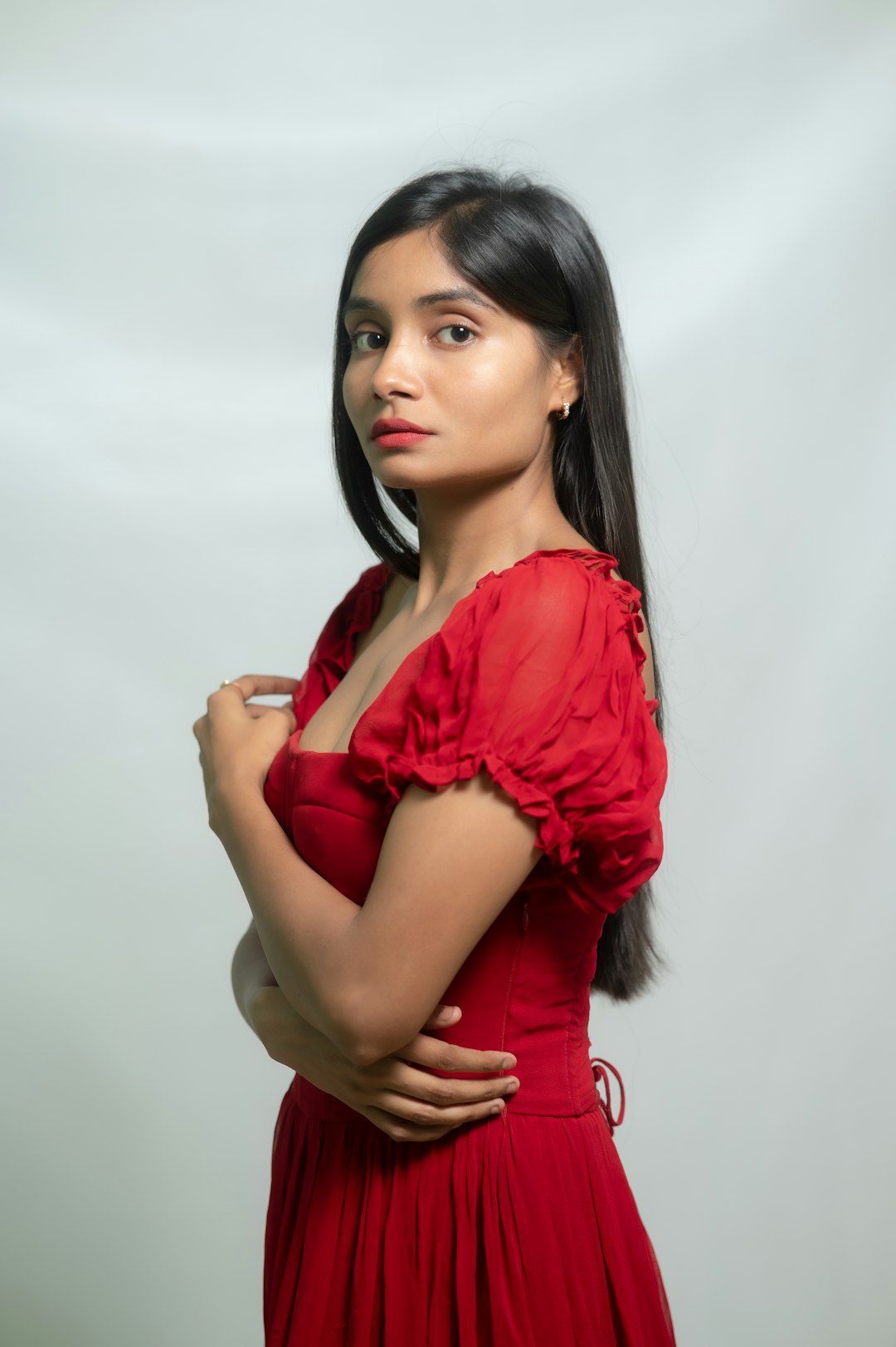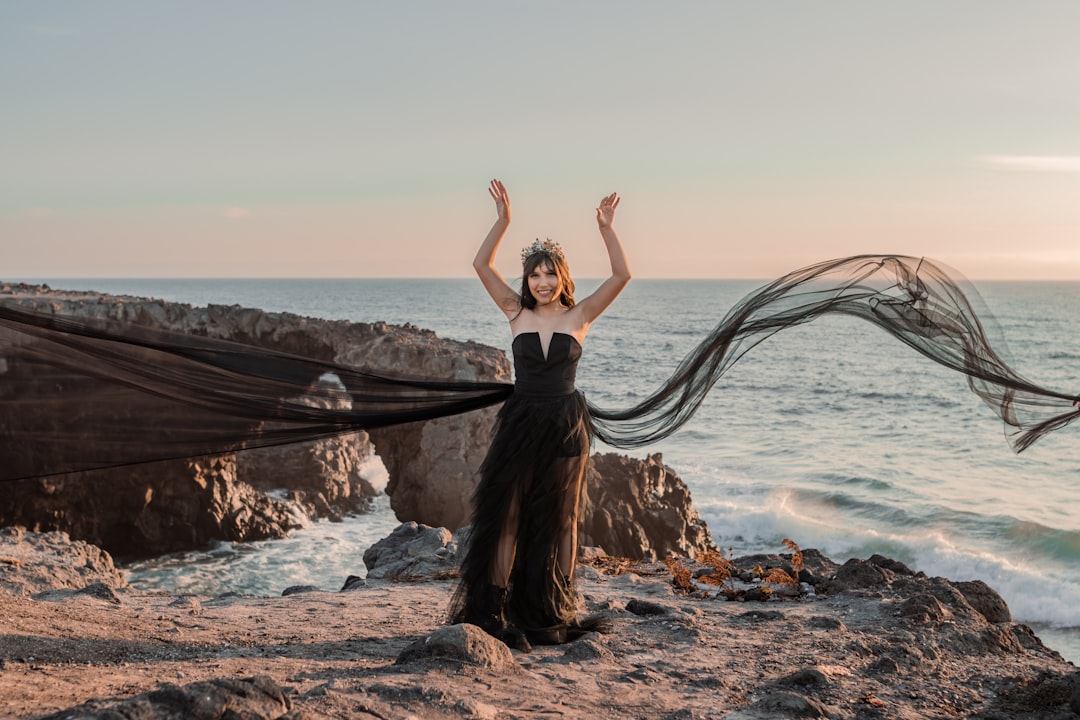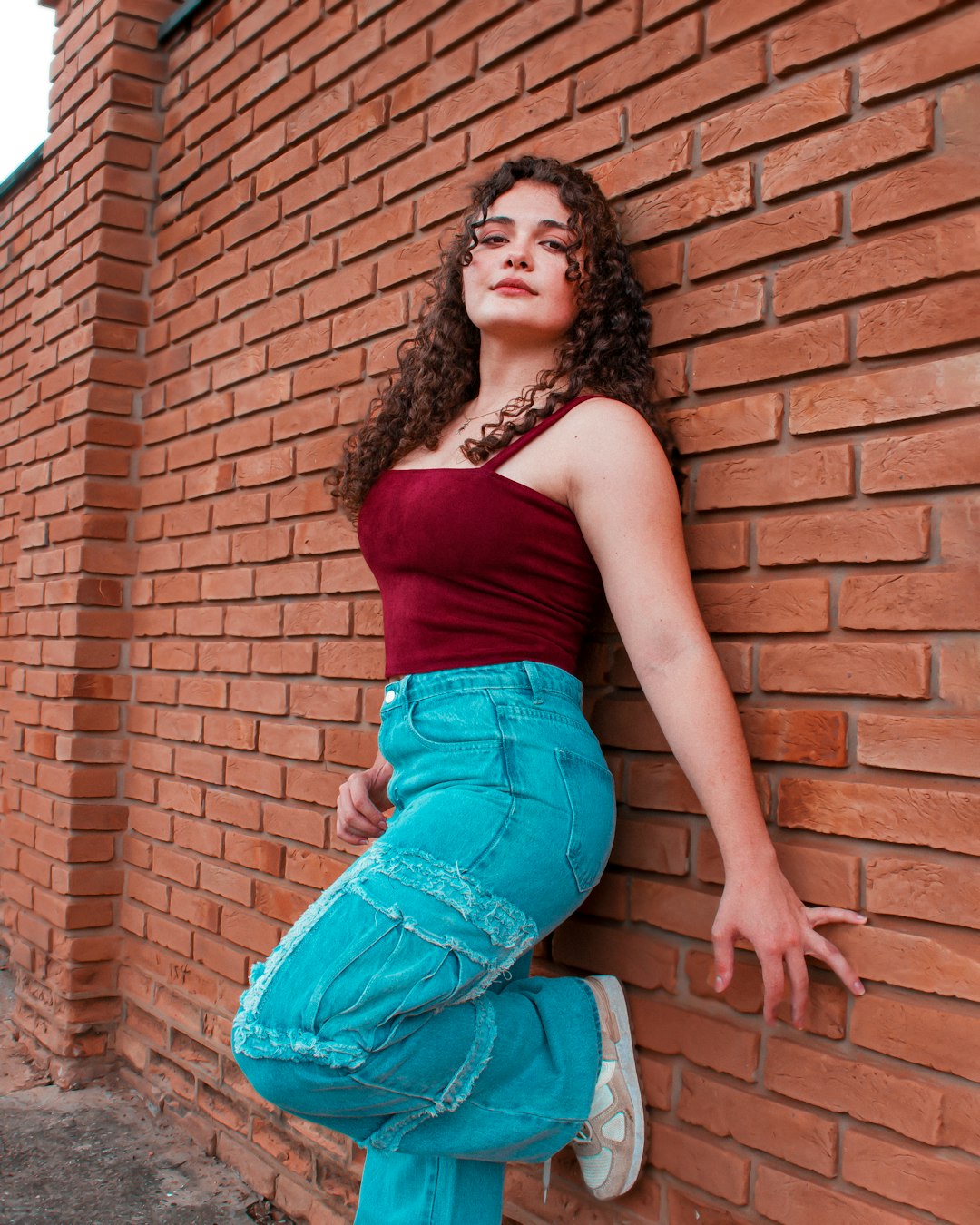
Moving beyond technical mastery into the realm of meaningful expression.
In a world saturated with technically proficient work, the true differentiator is no longer skill alone. It's the unmistakable whisper of a singular perspective—your voice. The journey from being advanced to becoming an artist is the journey inward.
You've mastered the tools. You understand composition, color theory, and contemporary trends. Your technique is polished, your portfolio is impressive. Yet, a quiet question persists: Does this work truly sound like me? This moment of questioning is not a sign of inadequacy, but the first, crucial step toward artistic maturity.
Deconstructing the Myth of "The Natural"
We often romanticize the artist as a vessel of innate genius, a voice pre-formed and waiting to be unleashed. The contemporary reality is more iterative. Your voice isn't found like a buried relic; it's constructed through a conscious process of curation, collision, and courageous editing.
Your voice is the residue left after you've consumed everything, forgotten most of it, and misunderstood the rest in a uniquely personal way.
It lives in the specific tension between your influences—the film director you adore, the scientific journal you skim, the childhood memory that surfaces unbidden. The goal isn't to create from a vacuum, but to build a richer, more personal composite.
The Voice Cultivation Framework
1. The Archeological Dig: Audit your own work. Not to judge, but to observe. What motifs, colors, or emotional tones recur without your conscious intent? This is your subconscious fingerprint.
2. Conscious Collision: Force-feed your inspiration from disparate fields. Pair philosophy texts with street photography. Let a piece of music dictate the rhythm of a visual piece. Create from constraint.
3. The Dialogue of Making: Shift from executing a pre-visualized idea to listening to the work as it emerges. Let the material, the mistake, the happy accident propose the next step. The voice often speaks in the detours.
Embracing the "Unfinished" Thought
Contemporary art thrives in the space of the unresolved. Your voice may not manifest as a declarative statement, but as a compelling question. It might be a visual stutter, a deliberate awkwardness, or a theme revisited with increasing unease. Perfection is often the enemy of presence. Allow your work to carry the traces of its own becoming—the sketch line, the raw edge, the vulnerable text.
This requires a tolerance for discomfort. To cultivate a unique voice is to risk being misunderstood, to sit with the anxiety of showing work that feels "too you." It means prioritizing authenticity over approval, and process over product.
The Ecosystem, Not the Echo
In the digital age, it's easy to become an echo, refining the algorithms of what's already popular. A true contemporary voice contributes to the ecosystem. It doesn't just add more of the same; it introduces a new species of thought. It might be a hybrid of analog warmth and digital glitch, or a minimalist approach to maximalist emotion.
Ask yourself: What can only I make, based on the sum of my experiences, obsessions, and misunderstandings? The answer to that is your north star.
The transition from advanced practitioner to artist is marked by a change in central question. You move from "How is this done?" to "Why must this exist?" and finally to "Did I say what I needed to say?" Your voice is the tool you forge to answer that final, lifelong question. Start forging.