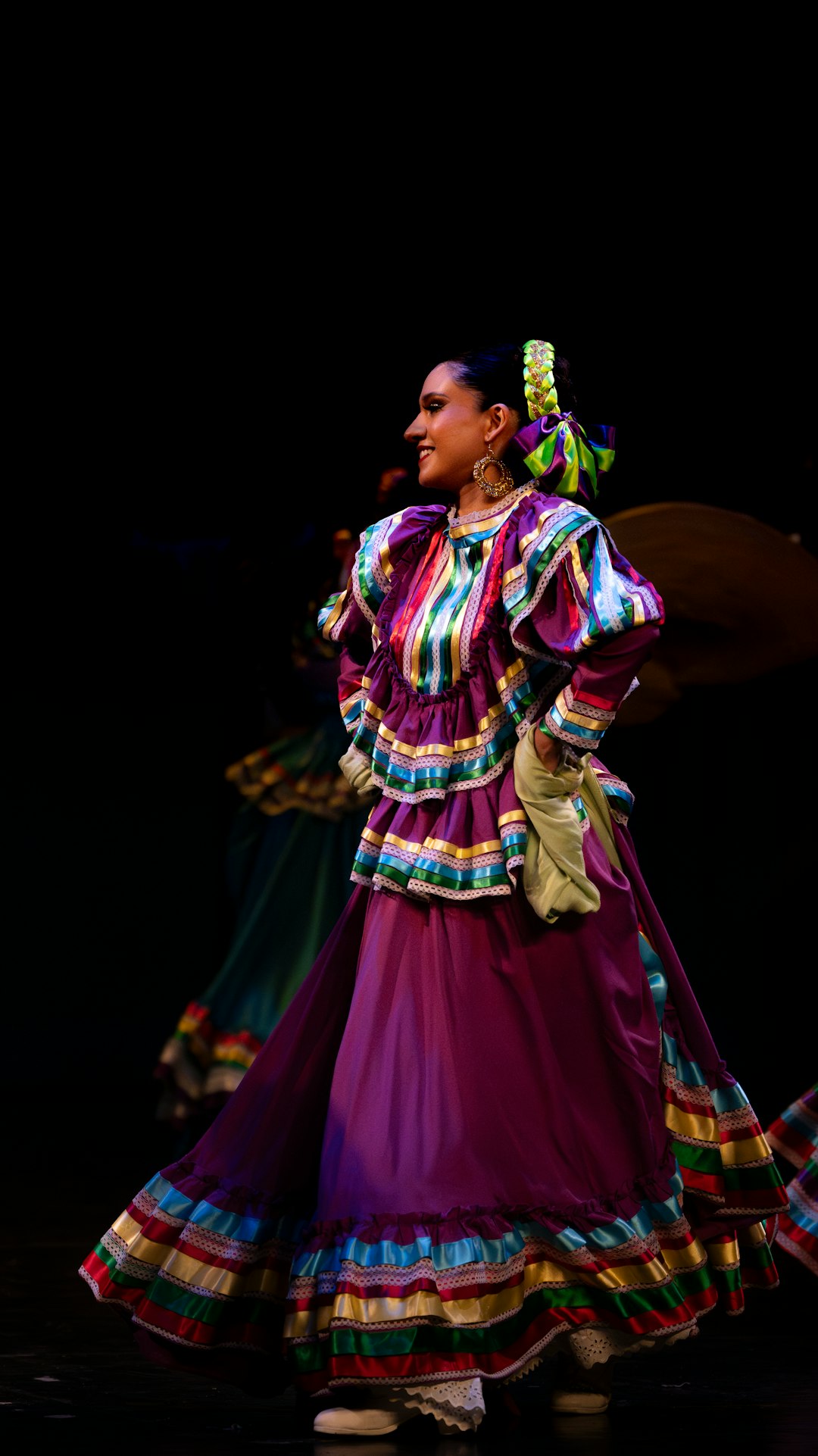
Most tango professionals will tell you the moment they went "pro" wasn't marked by a diploma or a competition win. It was the first month they paid rent with tango—and realized they had no safety net. The path from enthusiast to expert is less a straight line than a labyrinth of late-night milongas, difficult partnerships, and constant reinvention. This guide maps what actually matters if you want to build a sustainable tango career, not just collect steps.
The Foundation: Falling in Love with the Work
Every tango career begins with obsession. Maybe you stumbled into a milonga on vacation, watched Forever Tango, or fell down a YouTube rabbit hole of Juan Carlos Copes footage. That spark matters, but passion alone won't carry you through year five.
Treat your early training with seriousness. Attend beginner classes consistently, yes—but also study why tango feels different from other dances. It's not the steps. It's the abrazo (embrace), the shared axis, the conversation between two bodies. Ask your teachers uncomfortable questions. Record yourself. Dance with beginners and elders at milongas. The dancers who eventually make careers are rarely the most naturally gifted; they're the most ruthlessly curious.
Skill Development Beyond the Obvious
Once you've mastered the fundamentals—posture, the basic eight-count, walking in parallel and cross systems—your real education begins.
Technique That Serves the Music
Advanced tango technique isn't about complexity. It's about precision. Can you lead or follow a simple weight shift so clearly that your partner gasps? Can you execute a boleo without disturbing the line of dance? Work with teachers who correct your walking before your adornos.
Musicality as a Discipline
"Musicality" gets thrown around loosely. In practice, it means studying the orchestras that shaped the genre:
| Orchestra | Era | Character | What to Practice |
|---|---|---|---|
| Carlos Di Sarli | 1940s | Elegant, piano-driven | Smooth, sustained walking; playing with silence |
| Juan D'Arienzo | 1930s–70s | Rhythmic, driving | Sharp, staccato movements; clear marking of the compás |
| Osvaldo Pugliese | 1940s–80s | Dramatic, orchestral | Long phrases, suspended pauses, emotional build |
Listen actively. Count the frase (musical phrase). Dance to one orchestra exclusively for a month. Musicality separates working professionals from hobbyists with good technique.
The Art of Improvisation
Tango is improvised. Choreography has its place, but social dancing—tango de salón—is where your reputation is built. Practice with constrained rules: one tango danced using only walking and pauses; another where you never repeat a figure. Improvisation is a muscle.
Finding Your Dance Partner
This is the elephant in every tango studio. A compatible partner can accelerate your career exponentially. A mismatched one can drain your finances and spirit.
Look for someone who shares your ambitions, not just your height. Do you both want to compete? Tour internationally? Teach locally? These goals must align. Then assess the intangibles: do you recover gracefully from mistakes? Do you still want to dance together after a bad night's sleep?
Professional partnerships require contracts. Discuss money early—who gets paid what for teaching, performing, and private lessons? What happens if one person gets injured or wants to leave? The partnerships that survive are the ones that treat tango as a business as well as an art.
Teaching: Your Most Stable Income Stream
Performing looks glamorous, but teaching is how most tango professionals survive. If you want to become a tango teacher, technical skill is only the entry fee. You also need pedagogical training.
Observe how your own teachers structure classes. Do they demonstrate, explain, or correct by touch? How do they manage mixed-level groups? Consider completing a certification program or apprenticing under an established maestro.
Start small: assistant-teaching, then beginner classes, then specialized workshops. Develop a curriculum. Students return to teachers who give them progress they can feel, not just impressive demonstrations.
Performing, Competing, and Building Visibility
Stage tango and competition tango are distinct animals from social dancing. If performance calls to you, begin at local peñas and cultural events. Build a reel. Approach festival organizers with professional footage, not iPhone videos.
Competition—particularly the Mundial de Tango in Buenos Aires—can open doors to touring and teaching invitations. It also demands years of focused preparation and significant expense. Enter with clear eyes: the prize is exposure, not financial security.
Between performances