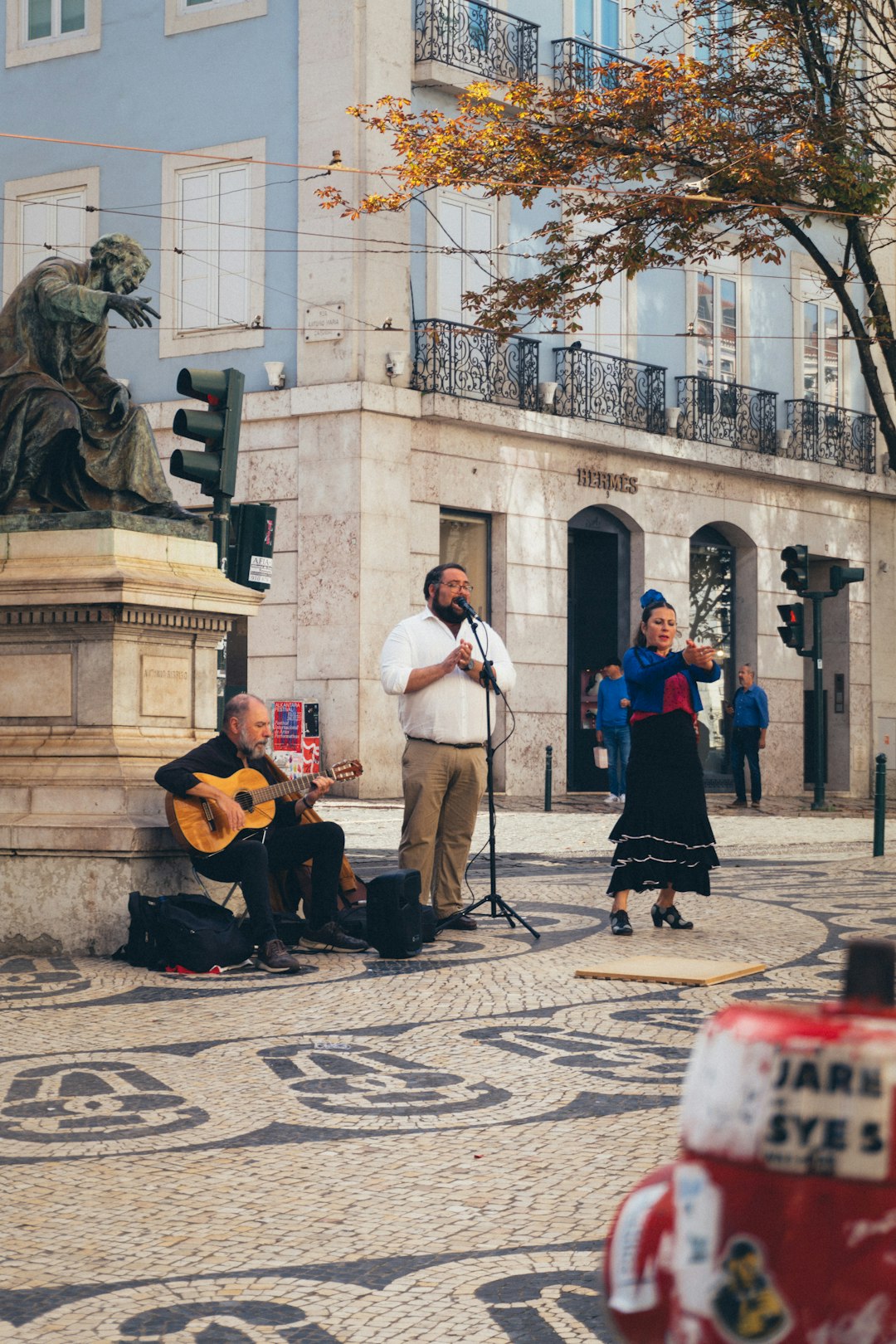
Welcome to the vibrant world of Lindy Hop, where the dance floor is your playground and every step tells a story. As you embark on this exciting journey, one of the first and most important decisions you'll make is what to put on your feet. The right footwear can transform how you connect with the floor, move with your partner, and express yourself through this joyful, athletic dance.
What Makes Lindy Hop Footwear Unique
Lindy Hop isn't like other partner dances. Born in 1920s Harlem, it blends explosive athleticism—fast footwork, rotations, and even aerials—with a continuous bounce or pulse that travels through your whole body. That pulse means you're constantly pushing into and rebounding from the floor, which changes what you need from a shoe.
Then there's the partner connection. Much of your communication with a lead or follow happens through shared weight, counterbalance, and momentum. A thick, cushioned sole can deaden that connection, while a thin, flexible sole helps you feel your partner's movements and the floor beneath you. Add in the dance's vintage roots and the modern scene's love of social dancing, and you get a footwear culture that balances function, history, and personal style.
Understanding the Dance Floor
Before you pick your shoes, consider where you'll actually be dancing. Most Lindy Hop happens in one of three environments:
- Polished ballrooms and studios: Smooth wood floors are ideal for controlled slides and spins. Here, suede-soled shoes shine.
- Social dance venues with varied floors: Hotel ballrooms, community centers, and festival spaces may have sticky, worn, or uneven surfaces. Versatility matters.
- Rough or outdoor surfaces: Occasional outdoor events, street festivals, or concrete floors demand more protection and durability.
Unlike the title might suggest, Lindy Hop rarely happens literally on the street. But when it does, heat, moisture, and abrasion become real concerns.
Key Features to Look For
Floor Connection Over Cushioning
Lindy Hop's athleticism might make you think you need heavy arch support and thick padding. Many dancers actually prefer the opposite: a thin, flexible sole that lets them feel the floor and maintain that essential bounce. If you need extra support, consider adding a low-profile insole rather than defaulting to a chunky sneaker.
The Spin-Slide Balance
Traction is all about moderation. Too much grip and you'll stick during turns; too little and you'll slide out from under yourself. Suede soles are widely considered the sweet spot—they offer just enough control while allowing smooth pivots and slides.
Flexibility at the Ball of the Foot
Quick footwork, kicks, and Charleston patterns demand that your shoe bend easily where your foot naturally flexes. Stiff soles fight against you.
Durability for Frequent Use
Social dancers might spend three to five nights a week on the floor. Look for quality construction, reinforced stress points, and materials that can handle repeated wear.
Heel Height: A Personal and Postural Choice
Many follows prefer a small heel—typically 1.5 to 2 inches—for aesthetic reasons and because it subtly shifts posture forward, engaging the core. Flats are equally valid and often preferred for long nights of social dancing. Leads more commonly wear flats, though this is increasingly a matter of personal choice rather than strict convention.
Popular Shoe Options for Lindy Hop
Flat Canvas Sneakers (Keds, Toms, Similar)
A staple in the women's Lindy Hop scene and increasingly popular across genders. They're lightweight, flexible, affordable, and easy to customize with a suede sole. On their own, rubber soles can be too grippy for ballroom floors but work fine on stickier surfaces.
Vintage-Style Oxfords with Suede Soles
Brands like Aris Allen, Remix, and Savoy Swing make reproduction-style shoes that nod to Lindy Hop's jazz-age heritage. These typically come with suede soles already attached, offer a sleek profile, and deliver excellent spin-slide control. They're the go-to for dancers who want period-appropriate style without sacrificing function.
Character Shoes
Theater character shoes—often with a 1.5 to 2-inch heel and a leather or suede sole—are a budget-friendly favorite among follows. They're sturdy, widely available, and designed for movement. The ankle strap helps keep the foot secure during fast turns.
Dance Sneakers
Purpose-built dance sneakers offer support, flexibility, and split soles designed for pivoting. They're a solid choice for dancers with foot issues or those who want athletic performance with modern styling. Just be aware that thicker soles can reduce floor connection.
Leather Dance Shoes
Traditional leather-soled dance shoes provide a beautifully smooth slide on polished floors. They tend to be more durable and formal-looking but can be slippery on subpar surfaces and less comfortable if you step