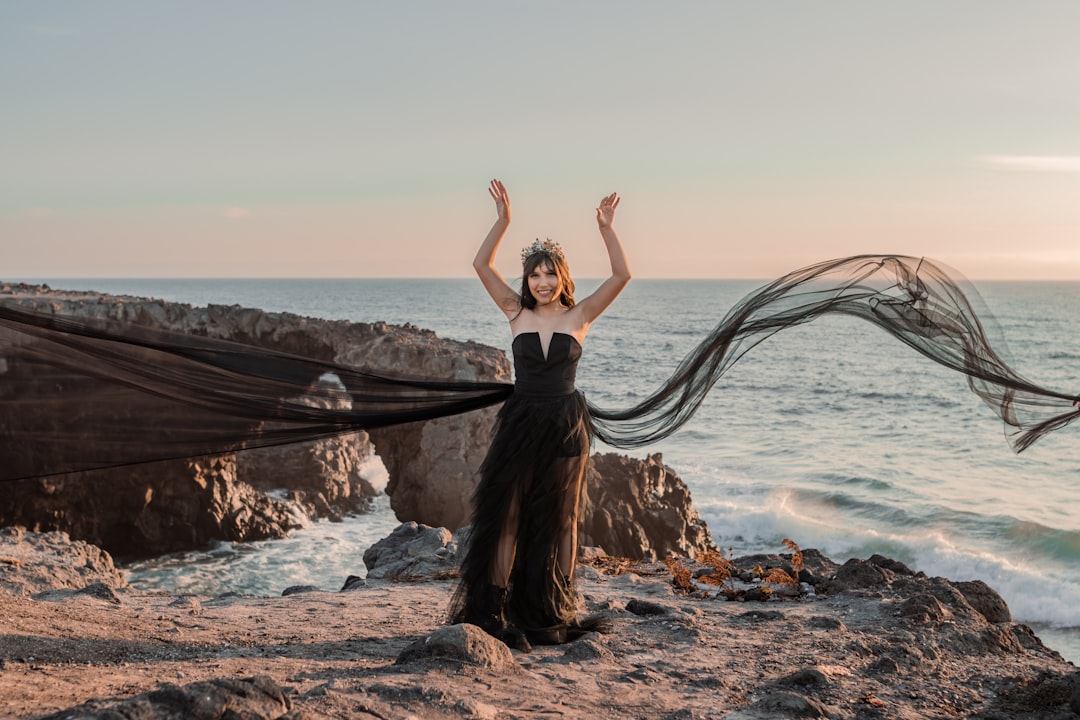
The Moment Everything Changes
Picture this: you're in the back row of a packed theater, watching a contemporary piece that makes your chest tight. The dancer falls—really falls—into the floor, then unfolds like a question mark into something weightless. You think, "I want to do that. I need to do that." That pull in your gut? That's where professional careers begin.
But here's what nobody tells you: the gap between "I love dancing" and "I get paid to dance" isn't about talent alone. It's about training smart, building the right habits, and knowing which steps actually matter.
Get Your Body Speaking the Language
Contemporary dance isn't one thing—it's a conversation between ballet's precision, modern's groundedness, jazz's musicality, and whatever else you bring to it. Before you try to master it all, lock down the basics that everything else builds on.
Your alignment determines whether a movement looks effortless or labored. Practice standing in parallel, then shifting weight without collapsing your core. It sounds simple, but professional dancers spend years on this foundation.
Floor work trips up most beginners. Rolling, sliding, recovering—these transitions need to become second nature. Start on carpet if you need to, but get comfortable being close to the ground.
Find Teachers Who Push You
Not all instructors are created equal. The right teacher doesn't just correct your technique—they challenge your artistic choices. They ask "why are you doing it that way?" and make you dig deeper.
Look for someone with professional performance experience, not just teaching credentials. Dancers who've been on stage understand the difference between executing a phrase and performing it.
Strength Isn't Optional
Here's an uncomfortable truth: contemporary dance is physically demanding in ways that look deceptively easy. That lift that seems to float? Your core is screaming. That floor sequence that looks like surrendering to gravity? It's controlled descent, and it requires serious strength.
Cross-train. Yoga builds breath awareness. Pilates targets your deep stabilizers. Weight training gives you the power to make hard things look easy. Your future self will thank you.
Improvise Like Nobody's Watching (Then Do It When They Are)
Spend fifteen minutes alone in a studio with music you've never heard. Move without planning. Follow impulses. Most of what you do will be garbage—and that's the point. Somewhere in that mess, you'll find movements that feel authentically yours.
Choreographers hire dancers who can think on their feet. The ability to generate movement spontaneously isn't just artistic—it's professional currency.
Watch the Masters, Then Watch Again
Martha Graham didn't just create technique; she created a vocabulary for human emotion. Pina Bausch made dance that felt like therapy you couldn't look away from. Alvin Ailey showed how movement could carry cultural memory.
Don't just watch their works—study them. How does Graham use contraction and release? How does Bausch build tension through repetition? What makes Ailey's ensemble sections feel so powerful? These artists solved problems you're still trying to figure out.
Say Yes to Every Stage
Your first performances won't be perfect. That's not the point. Every recital, student showcase, and community production teaches you something rehearsal never will: how to recover when things go wrong, how to commit even when you're terrified, how to read an audience.
Auditions are their own education. You'll face rejection—lots of it. But each one thickens your skin and sharpens your instincts.
Build Your Tribe
Dance isn't a solo career, even for soloists. The people you meet in workshops, intensives, and company classes become your network—dancers who recommend you for gigs, choreographers who remember your work, directors who need someone reliable.
Show up. Be present. Follow up. This is how careers actually get built.
The Long Game
Here's what separates dancers who turn pro from those who stop at hobby: they understand that mastery is patient work. Setbacks aren't failures—they're information. Every class, every rehearsal, every performance is a deposit. Compound interest applies to your technique too.
Your Voice Is Your Edge
Technical proficiency gets you noticed. Artistic identity gets you hired. The dancers who build lasting careers aren't always the most technically virtuosic—they're the ones you can't look away from. That's not something you can fake. It comes from years of asking yourself what you want to say through movement, then finding the courage to say it.
The stage is waiting. What will you bring to it?