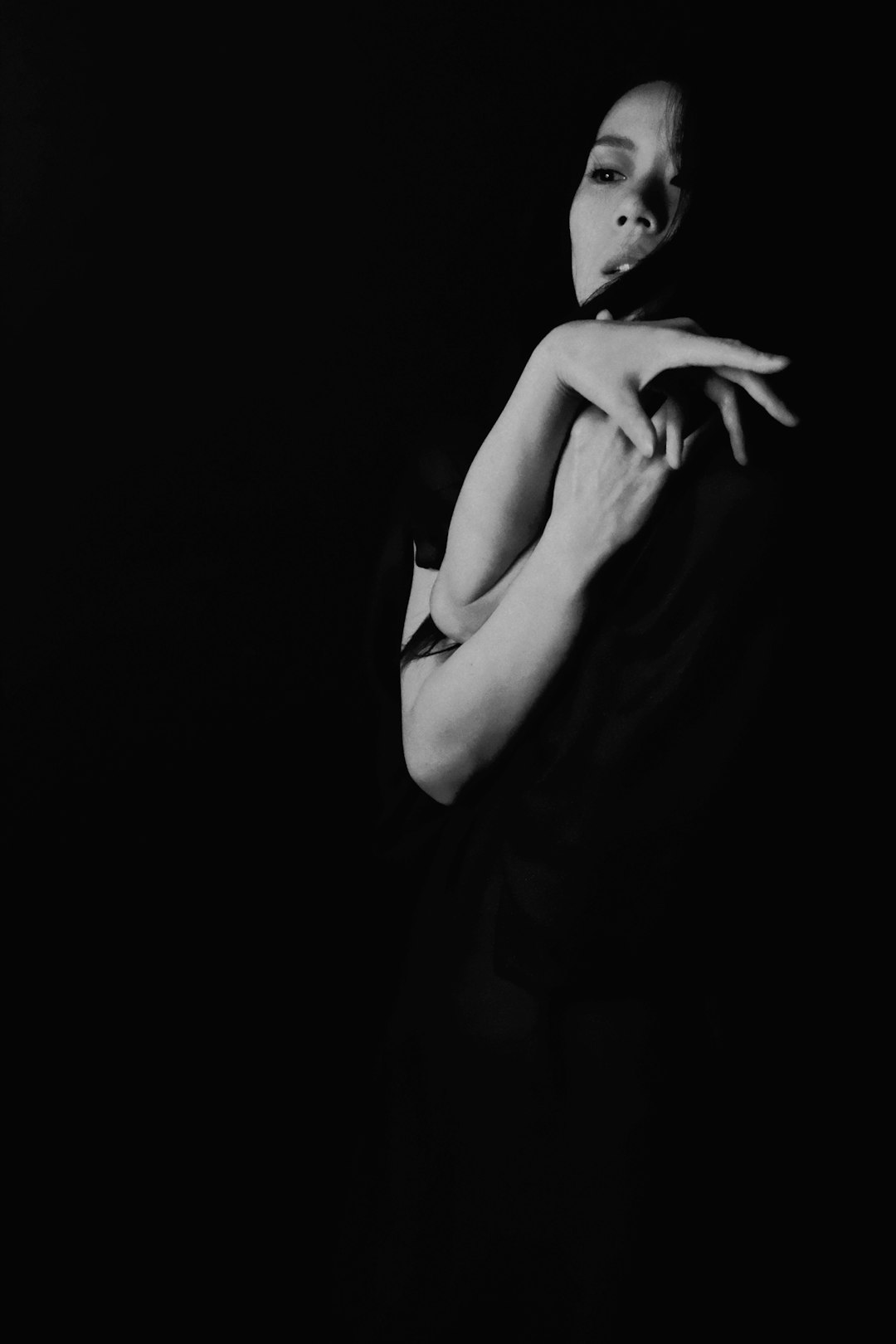
In 1973, DJ Kool Herc threw a back-to-school party in the Bronx that changed dance forever. What started as "breaking"—dancers attacking the percussion breaks in funk records—has evolved into a global art form that debuted at the 2024 Paris Olympics. But make no mistake: the raw energy of those early battles still defines what separates a casual dancer from a true b-boy or b-girl.
This isn't another list of move definitions. If you're serious about advancing from foundational steps to the power moves that win competitions, you need a progression system, not a glossary. Here's your roadmap.
Are You Actually Ready for Advanced Breaking?
Most dancers rush into power moves prematurely—and pay for it with injuries that sideline them for months. Before attempting the techniques below, honestly assess yourself against this checklist:
| Fundamental | Minimum Standard |
|---|---|
| Handstand | 10-second hold with controlled entry/exit |
| Windmills | 10 consecutive rotations without stopping |
| Top rock to down rock | Seamless transition with musicality |
| Chair freeze | 5-second hold on each side |
| Core strength | 30-second hollow body hold |
Missing any of these? Spend another 4–6 weeks on fundamentals. Power moves built on shaky foundations collapse—sometimes literally.
The Four Pillars of Breaking: A Quick Cultural Primer
Breaking exists within hip-hop's four elements: DJing, MCing, graffiti, and breaking itself. Understanding this context matters because advanced breaking isn't just athletic—it's conversational. You're responding to the music, your opponent, and the history of the form.
- Top rock: Your introduction, establishing style and musicality while standing
- Down rock: Floorwork that demonstrates control and creativity
- Freezes: Punctuation marks that showcase balance and dramatic timing
- Power moves: The explosive, acrobatic rotations that demand attention
Power moves come last in this hierarchy for a reason. They're the exclamation point, not the sentence.
Advanced Power Moves: Execution Deep-Dives
The 1990
Named for its visual similarity to a spinning vinyl record, the 1990 is breaking's signature one-handed spin. It's also the move that destroys wrists when approached carelessly.
Prerequisites: Solid chair freeze, handstand pirouettes, wrist conditioning (minimum 3 weeks)
Step-by-Step Execution:
- Entry: Start from chair freeze, weight on left hand, right leg extended
- Initiation: Swing extended right leg counterclockwise while pushing off the floor with your planted foot
- Hand placement: Fingers spread wide, weight distributed through palm and fingertips—never the wrist joint alone
- Body position: Legs split wide for rotational momentum, core engaged to prevent hip sag
- Spotting: Fix eyes on a point, snapping head with each rotation
Common Errors & Injury Risks:
| Error | Consequence | Fix |
|---|---|---|
| Wrist collapse | Sprain, fracture, or chronic tendonitis | Strengthen wrists with fist push-ups and gradual loading |
| Insufficient leg swing | Stalled rotation, forced compensation | Drill leg swings without rotation first |
| Bent supporting arm | Loss of height, shoulder strain | Handstand holds against wall with locked elbow |
Training Drill: Start with "baby 1990s"—quarter and half rotations from chair freeze, building to full spins over 4–6 weeks.
Air Flares
Often confused with flares (the gymnastics move), air flares are breaking's most visually stunning power move: a horizontal rotation where your body never touches the ground except for brief hand contacts.
Critical Distinction: Flares keep legs in a circular, straddled motion close to the ground. Air flares create a V-shaped body position with hips elevated, legs scissoring through the air.
Prerequisites: Flares (20+ consecutive), planche leans, exceptional shoulder and hip flexibility
Mechanics Breakdown:
- Hand rhythm: Alternating hand contacts every 180 degrees, not 360
- Leg action: Aggressive scissor kick generates lift; timing this with arm push is everything
- Body line: Hollow body position—lower back never arches
Reality Check: Most dancers need 8–12 months of dedicated training to achieve their first clean air flare. The "helicopter" description in generic guides skips the thousands of failed attempts and bruised hips that precede success.
Head Spins
The move that looks effortless from the audience—and feels like sandpaper against your scalp up close.
Non-Negotiable Preparation:
- Head protection: Beanie or specialized headspin cap mandatory; bare scalp against floor causes serious abrasion