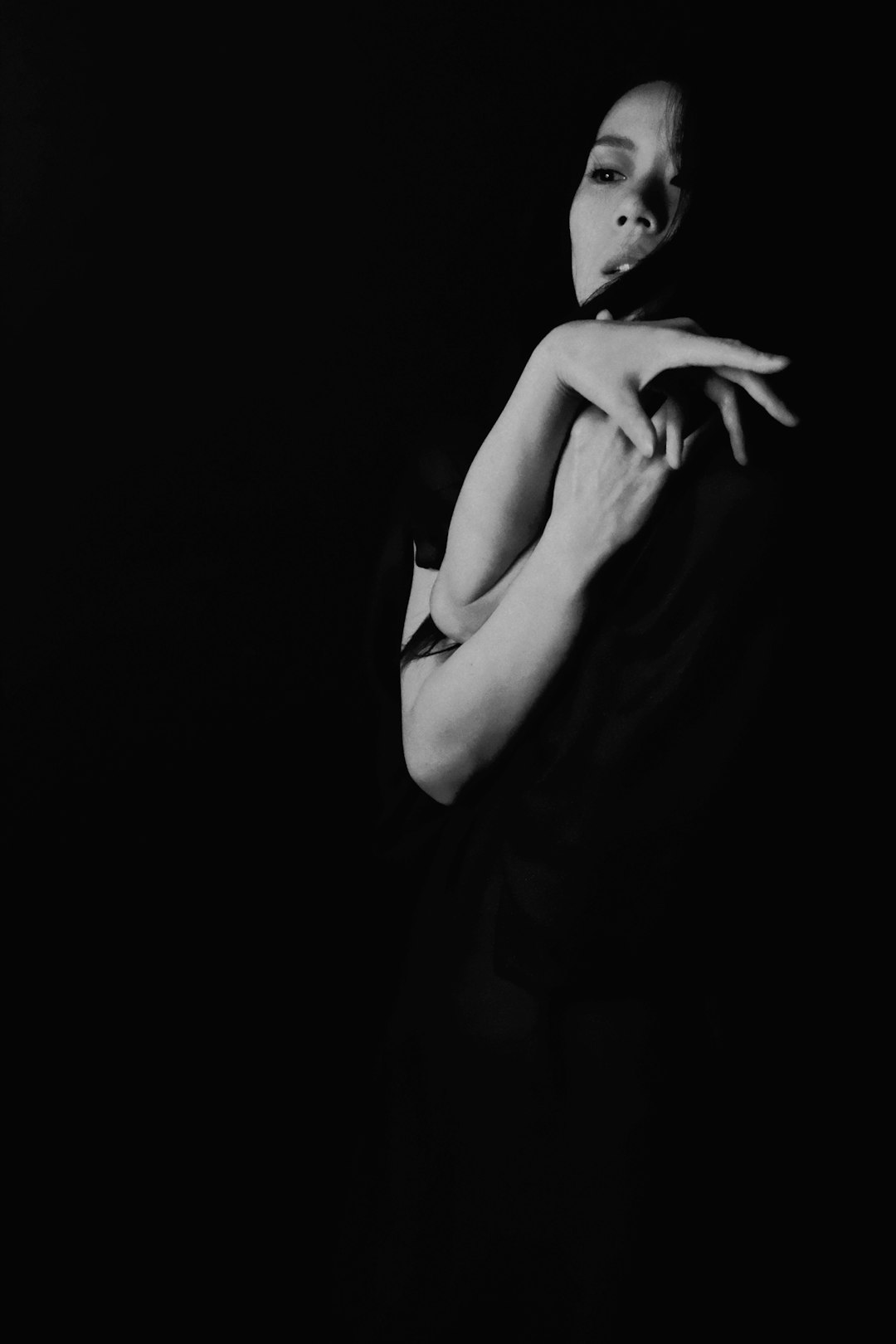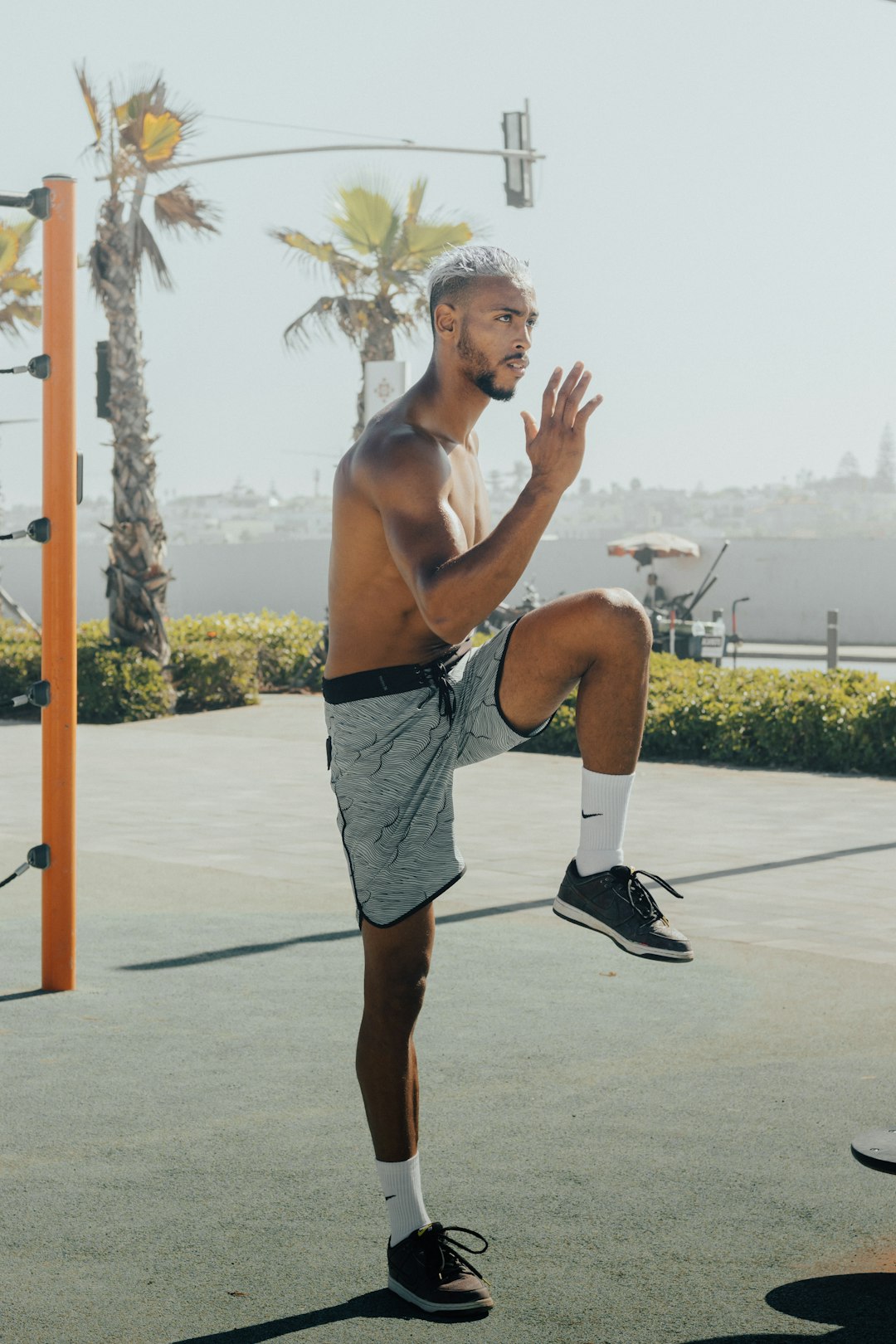
You've seen the image—a dancer suspended in mid-air, one hand planted on cracked concrete, body twisted into a shape that shouldn't be possible. For a split second, gravity loses. That freeze isn't just a dance move. It's a sculpture carved from sweat and momentum, and somewhere between the 1970s Bronx and your Instagram feed, the art world figured out what breakdancing really was: not just entertainment, but a masterclass in creative rebellion.
When the Body Became the Brush
Breakdancing didn't ask permission to enter the gallery. It kicked down the door. Visual artists didn't just admire breaking from afar—they stole its vocabulary entirely. Walk through Brooklyn, Berlin, or São Paulo and you'll spot dancers exploding across concrete walls, paint capturing the exact moment a headspin becomes a silver blur or a backflip hangs in perfect suspension.
Japanese photographer Shinichi Maruyama took this obsession literally. He shot breakers mid-move and layered thousands of frames into ghostly, fluid sculptures that look like smoke given muscle memory. Then there's London's Southbank, where massive stencils of b-boys cast shadows ten feet high across the underpass. These aren't portraits. They're attempts to trap lightning in a bottle, to make permanent something designed to vanish the second the music stops.
The Beat That Ate the Studio
Behind every great breakdancer stands a DJ with two turntables and a crate full of worn-out funk records. But here's what nobody saw coming: those looped drum breaks—the "breakbeats"—would crawl out of the park and infect every corner of modern music production.
Hip-hop producers built empires by extending those four-bar drum loops. Then electronic music found them. Then pop. Producers stopped just sampling breaks and started treating rhythm the way b-boys treat movement—as raw material to be chopped, flipped, and reassembled. Throw on a Disclosure track or an old Kanye beat and you're hearing the sonic DNA of a 1973 Kool Herc block party. The break didn't just inspire a genre. It taught musicians that rhythm could be physical, something you feel in your chest before your ears even catch up.
Crews Don't Compete—They Collide
Step into any breaking battle and you'll spot the real magic happening in the corners. Dancers trade moves like jazz musicians trade solos, one-upping each other not with ego, but with pure creative momentum that multiplies every time someone lands something impossible. That energy—the cypher—never stays on the dance floor.
Multidisciplinary collectives like Rock Steady Crew didn't just perform; they collaborated with painters, filmmakers, and fashion designers. A music video became a four-minute explosion of choreography, street art, and cinematography all fighting for the same breath. When artists work in crews, boundaries dissolve because nobody told them where the lines were in the first place.
The Freeze That Stays With You
Breakdancing never wanted to be contained. It started as a survival tactic in burned-out Bronx neighborhoods and grew into a global force that rewrites whatever it touches. The next time you stand before a massive mural of a suspended dancer, or hear a drum break that makes your neck jerk before your brain catches up, remember: you're not looking at art inspired by dance. You're seeing what happens when an art form refuses to stay in its lane—and drags the rest of the creative world along for the ride.