The first time I attempted a controlled hip drop, I looked less like a graceful performer and more like someone wrestling an invisible suitcase. Fifteen years later, that same movement feels as natural as breathing—but the journey between those points wasn't a straight line.
Belly dance—raqs sharqi in Arabic, literally "dance of the East"—rewards patience with movements that eventually feel as natural as walking. But the path from awkward beginner to flowing intermediate contains predictable pitfalls that most teachers don't explicitly map. This guide traces that evolution through three distinct phases, with concrete milestones to help you recognize where you actually are (and what comes next).
Phase 1: Building Your Movement Alphabet
Master the Non-Negotiable Foundations
Before you can string sentences together, you need to know your letters. In belly dance, three isolations form this core vocabulary:
- Horizontal hip circles — rotating the hips while keeping the ribcage completely still
- Vertical chest slides — moving the chest side-to-side, isolating from the waist up
- Vertical hip drops — engaging the obliques to drop one hip sharply without bouncing
These aren't merely "beginner moves." Professional dancers return to these isolations daily because they underpin every advanced technique. Practice them in front of a mirror until you can perform each while holding a conversation—this indicates true neuromuscular control, not memorized choreography.
Establish Sustainable Practice Rhythms
Consistency outperforms intensity. Twenty focused minutes four times weekly yields more progress than three-hour marathons followed by weeks of inactivity. Structure your sessions:
| Time Block | Focus |
|---|---|
| 0:00–5:00 | Warm-up with hip circles and shoulder rolls |
| 5:00–15:00 | Drill one isolation with music, alternating sides |
| 15:00–18:00 | Combine two isolations (e.g., hip circle + chest slide) |
| 18:00–20:00 | Free dance, integrating the day's work |
Record yourself monthly. The camera reveals what mirrors obscure: shoulder tension, incomplete hip extensions, and timing inconsistencies you simply cannot feel yet.
Phase 2: Crossing Into Intermediate Territory
Recognize the Milestone Markers
You've officially entered intermediate territory when you can reliably execute:
- Layered movements — maintaining a shimmy while traveling or turning
- Finger cymbal playing (zills) — basic patterns (3-3-7 or baladi) while dancing
- Musical interpretation — distinguishing between baladi (urban, emotional) and saidi (rural, rhythmic) styles and adjusting your expression accordingly
- Choreography retention — learning and performing 3–5 minute pieces without video reference
These capabilities don't emerge simultaneously. Most dancers acquire strong shimmies before mastering zills, or memorize choreography before developing stylistic nuance. Progress is modular—celebrate discrete victories rather than waiting for wholesale transformation.
Navigate the Intermediate Plateau
Here's what no one tells you: the plateau will happen. Typically 12–24 months into consistent practice, you'll encounter these symptoms:
- Shimmies that tire after thirty seconds rather than three minutes
- Isolations that dissolve when you add turns or level changes
- Choreographic ideas that feel repetitive, derivative, or "stuck"
This plateau isn't failure—it's your nervous system consolidating foundational patterns so they can operate unconsciously. Breakthrough requires targeted drilling, not simply more dancing. Identify your weakest intermediate skill and devote 70% of practice time to it for six weeks. The discomfort is the signal of growth.
Phase 3: Developing Artistic Voice
Expand Beyond Technique
Advanced belly dance transcends execution. At this stage, your practice incorporates:
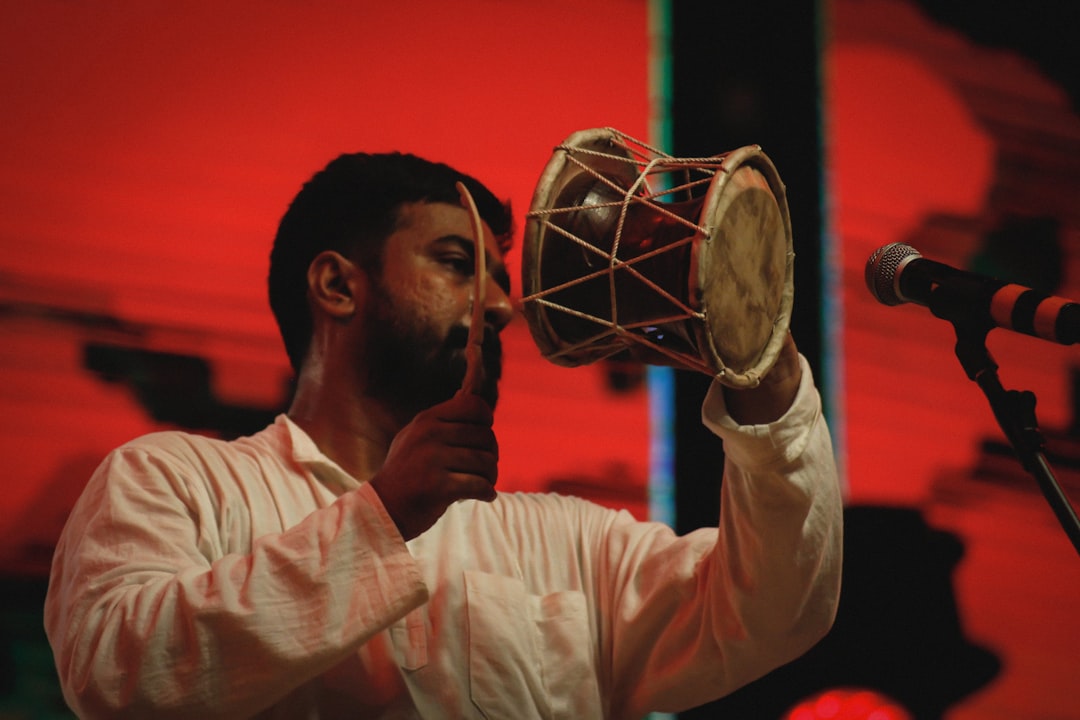
- Live music collaboration — working with drummers who vary tempo unpredictably
- Improvisational structures — frameworks that allow spontaneous composition rather than fixed choreography
- Cultural study — understanding the social contexts, regional variations, and historical evolution of raqs sharqi and related folk forms
- Teaching and mentorship — articulating technique to others, which crystallizes your own understanding
Seek Transformational Feedback
Performing remains essential, but upgrade your feedback sources:
- Video analysis — compare your recordings against dancers you admire, noting not just "what" they do but "when" and "how"
- Private lessons — even occasionally, to address habits group classes can't target
- Cross-training — ballet for alignment, flamenco for arm pathways, or somatic practices for deeper body awareness
Your Next Decision Determines Your Evolution
The dancer you become at intermediate level will surprise your beginner self. But that future dancer is built through