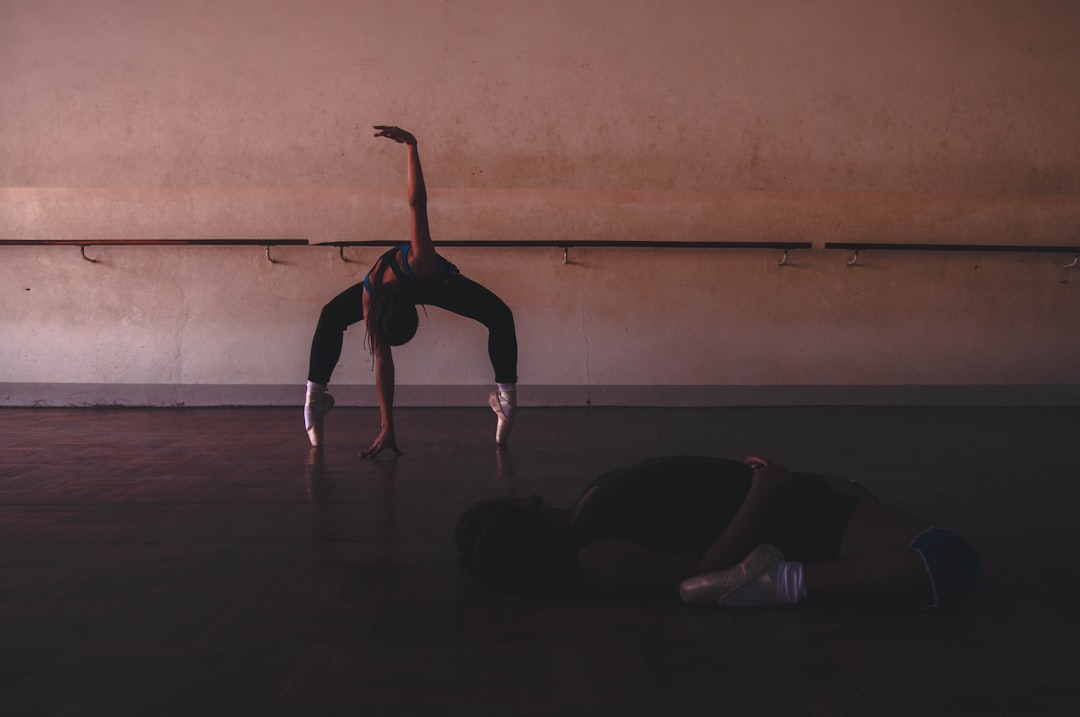
Standing at the barre for the first time, you might dream of floating through Swan Lake or nailing multiple pirouettes on stage. That passion is your starting fuel—but transforming from a beginner into an advanced ballet dancer requires more than enthusiasm. It demands strategic training, patience, and a clear understanding of what "advanced" actually means.
This guide bridges the gap between your first plié and your future potential, offering ballet-specific guidance to build foundations that will carry you through years of growth.
What "Advanced" Actually Means (And How Long It Takes)
Before plotting your journey, understand your destination. Advanced ballet isn't merely about years logged in the studio—it's defined by specific technical and artistic achievements:
| Skill Category | Beginner | Intermediate | Advanced |
|---|---|---|---|
| Turns | Single pirouettes, preparation exercises | Double pirouettes, consistent spotting | Triple+ pirouettes, turning jumps, fouetté sequences |
| Jumps | Small sauts, basic changements | Petit allegro combinations, beats | Grand allegro with elevation, ballon, and precision |
| Pointe Work | Pre-pointe strengthening | Beginning pointe, simple relevés | Complex variations, sustained balances, pirouettes en pointe |
| Artistry | Basic musicality, following counts | Phrasing, expression, stage presence | Character interpretation, stylistic versatility, emotional storytelling |
| Training Volume | 2-3 classes/week | 4-6 classes/week | Daily classes, rehearsals, conditioning |
Reality check: Most professional dancers reach advanced technical levels after 8–15 years of dedicated study. Your early years aren't about rushing ahead—they're about building the structural integrity that supports everything that follows.
Set Progressive Goals with Clear Milestones
Vague ambitions ("get better at ballet") lead to frustration. Instead, structure your goals across three distinct phases:
Phase 1: Foundational Mastery (Months 1–24)
- Weekly focus: One technical element (e.g., foot articulation in tendus, pelvic alignment in pliés)
- Key milestones: Clean positions in first through fifth; stable relevés; simple adagio balance; basic jump mechanics
Phase 2: Technical Expansion (Years 2–5)
- Weekly focus: Turning preparations, small jump combinations, pre-pointe conditioning
- Key milestones: Consistent single pirouettes; clean petit allegro; pointe readiness (for women); expanded movement vocabulary
Phase 3: Artistry and Refinement (Years 5+)
- Weekly focus: Musical interpretation, performance quality, advanced repertoire
- Key milestones: Multiple turns; grand allegro with ballon; solo variations; professional-level consistency
Motivation strategy: Document your progress through video. Review monthly to spot improvements invisible in daily practice. Celebrate structural wins—"My knee tracked over my toe in every plié this week"—not just aesthetic ones.
Find Training That Builds Genuine Technique
Not all ballet instruction advances your development equally. Evaluate potential teachers and schools against these criteria:
| Essential Qualities | Red Flags |
|---|---|
| Emphasis on alignment and safe mechanics | Pushing flexibility or turnout beyond your natural range |
| Progressive, structured curriculum | Random repertoire without technical scaffolding |
| Individual corrections and hands-on adjustment | One-size-fits-all demonstrations without feedback |
| Pointe preparation with medical readiness criteria | Early pointe work based on age alone |
| Continuing education and professional background | No performance or pedagogical training |
Trial class checklist: Notice whether corrections are specific ("Release your gripping hip flexors; engage lower abs to stabilize") versus generic ("Try harder"). Observe if beginners receive as much attention as advanced students. A school that rushes students ahead prioritizes ego over development.
Train Smart: Frequency, Recovery, and Cross-Training
Building Your Schedule
| Level | Weekly Classes | Supplementary Conditioning | Total Weekly Hours |
|---|---|---|---|
| Beginner (0–2 years) | 2–3 technique classes | 1–2 sessions: Pilates, yoga, or floor barre | 4–6 hours |
| Intermediate (2–5 years) | 4–5 technique classes + pointe/pre-pointe | 2–3 sessions: strength training, cardio, flexibility work | 10–15 hours |
| Advanced (5+ years) | Daily technique, pointe/variations, partnering | Structured conditioning, physical therapy as needed | 20–30+ hours |
Critical Recovery Practices
- Warm-up: 10–15 minutes before class—dynamic leg swings, gentle pliés, ankle mobilization
- Cool-down: Stretch major muscle groups while warm; use a foam roller for IT bands and








