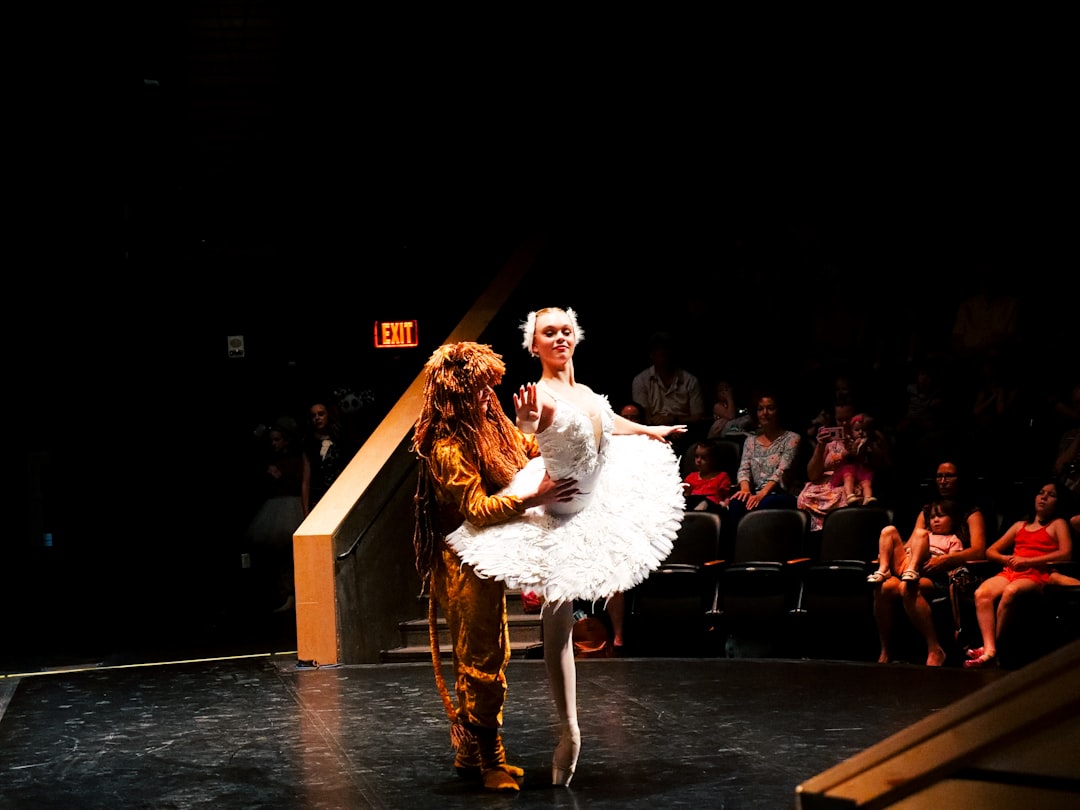
At 23, Maria Kowroski had already toured with Dancing with the Stars and built a six-figure teaching practice. She started at age 12 with a $20 group class at her local YMCA. Whether your ambitions reach that far or you simply want to move with confidence at your cousin's wedding, ballroom dancing rewards those who approach it strategically—especially if you're considering the professional path.
This guide bridges recreational beginnings with genuine career preparation. We'll cover what most articles miss: the financial realities, partnership dynamics, certification requirements, and income streams that define a sustainable ballroom dance career.
Understanding the Investment Before You Begin
Ballroom dancing demands significant resources. Knowing these numbers upfront helps you plan realistically.
| Expense Category | Typical Cost Range | Notes |
|---|---|---|
| Private lessons | $75–$200/hour | Essential for competitive advancement; professionals often take 3–5 hours weekly |
| Group classes | $15–$40/session | Supplementary; builds social skills and pattern vocabulary |
| Dance shoes | $100–$300/pair | Suede-soled, style-specific; expect to replace every 6–12 months with heavy use |
| Competition fees | $500–$5,000+ | Entry fees, travel, costumes, and professional coaching at events |
| Professional certification | $1,500–$5,000 | DVIDA, USISTD, or ISTD credentialing for teaching careers |
| Practice space | $0–$500/month | Studio rentals or floor fees at your home studio |
Timeline reality: Most professional dancers train 5–10 years before earning sustainable income. Starting at 25 versus 15 significantly alters your competitive and career trajectory—but doesn't preclude success.
1. Choose Your Style Strategically
Four primary competitive styles dominate the ballroom world. Your choice shapes everything from training location to costume budget to partnership prospects.
| Style | Characteristics | Best For |
|---|---|---|
| International Standard | Closed-frame elegance, flowing gowns, progressive movement around the floor | Dancers with strong posture, height advantages, and classical musical taste |
| International Latin | Hip action, rhythm, sharp lines, flashier costuming | Athletic dancers with flexibility, speed, and comfort with body isolation |
| American Smooth | Open work permitted, theatrical presentation, dramatic lifts | Performers wanting creative freedom and crossover appeal |
| American Rhythm | Social dance roots (mambo, bolero, swing), earthy movement | Dancers drawn to musicality and improvisational expression |
Pro insight: International styles dominate global competition and offer clearer pathways to professional titles. American styles provide more immediate performance opportunities and better suit dancers starting later in life.
2. Find Your Training Home
Studio selection determines your technical foundation, partnership network, and competition access. This decision warrants thorough investigation.
Research Local Studios
Look beyond marketing materials. Ask specific questions:
- What certifications do instructors hold? (DVIDA, USISTD, ISTD, or equivalent)
- How many students have reached professional or championship levels?
- What competition circuits does the studio regularly attend?
- Is there a structured syllabus or progression system?
Read reviews critically. A studio perfect for social dancers may lack competitive infrastructure. Conversely, elite competitive studios can feel unwelcoming to beginners.
Schedule Trial Classes
Attend at least three different studios before committing. During trials, assess:
- Teaching clarity: Does the instructor break down mechanics precisely?
- Partner rotation: Are you dancing with multiple partners or stuck with one?
- Floorcraft: Is space managed safely, or is collision likely?
- Community culture: Do advanced dancers mentor newcomers, or is hierarchy rigid?
Ask directly: "What would my path to professional certification look like here?" Their answer reveals whether they actually develop professionals or simply retain recreational students.
3. Invest in Proper Equipment
Generic advice wastes money. Here's what professionals actually use.
Footwear Specifications
| Dancer | Style | Heel/Construction | Why It Matters |
|---|---|---|---|
| Women—Standard | Court shoes | 2–2.5 inch flared heel | Stability for backward movement; closed-toe protection |
| Women—Latin | Sandals | 2.5–3 inch slim heel | Extended leg line; flexibility for pointed positions |
| Men—Standard | Patent leather oxfords | 1 inch heel; suede sole | Glide and control; polished appearance |
| Men—Latin | Latin heels | 1.5–2 inch Cuban heel | Weight forward posture; hip action facilitation |
Sole material: Suede bottoms provide controlled slide on wood floors. Never wear street shoes or rubber soles—they grip dangerously and damage studio floors.
Attire
- Women: Practice wear should allow full range