The first time your hips release into a figure-eight without conscious thought—muscle memory overriding mental instruction—you'll understand why raqs sharqi has captivated dancers across Cairo, Istanbul, and Los Angeles for generations. That moment of embodied rhythm, when technique transforms into expression, separates the amateur from the artist.
This guide moves beyond generic advice to offer concrete, culturally-grounded pathways for developing genuine proficiency in belly dance. Whether you're stepping into your first class or seeking to break through a years-long plateau, here's how to build a practice that honors both the form and your own growth.
Phase One: Building Your Movement Vocabulary
Master the Mechanics
Before stylization comes structure. The foundational movements of belly dance—hip circles, shimmies, undulations, and isolations—demand precise muscle control that superficial imitation cannot achieve.
For hip circles: Initiate from the obliques and gluteus medius, not by swinging the legs. Common errors include bending the supporting knee excessively (which destabilizes the pelvis) or holding the breath (which freezes the core). Practice slowly: one complete circle in four counts, maintaining level shoulders and relaxed arms.
Recommended practice structure: Twenty minutes of isolated drilling, three times weekly, for your first six months. Record yourself monthly—visual feedback reveals habits your mirror cannot.
Condition the Instrument
Belly dance demands core strength, joint mobility, and cardiovascular endurance. Conditioning your body becomes part of your practice, not preparation for it.
- Knee health: Maintain soft knees during weight shifts; never lock joints during shimmies
- Lower back protection: Engage transverse abdominis during all torso movements; if you feel lumbar strain, you're likely overarching rather than articulating
- Foot and ankle stability: Practice relevés and foot articulations barefoot to develop proprioception
Phase Two: Expanding Your Fluency
Study Distinct Traditions
Belly dance encompasses distinct lineages with incompatible aesthetics. Understanding these differences prevents the "fusion confusion" that marks undertrained dancers.
| Style | Origins | Key Characteristics |
|---|---|---|
| Egyptian Raqs Sharqi | Cairo, 1920s–present | Internal, subtle hip work; emotional musical interpretation; emphasis on improvisation |
| Turkish Oryantal | Istanbul nightclub tradition | Faster, more athletic shimmies; finger cymbals (zils) integrated; higher energy presentation |
| American Tribal Style® | California, 1980s | Group improvisation using standardized vocabulary; fusion of Middle Eastern and Indian influences; heavy costuming |
| Egyptian Baladi | Working-class Cairo | Earthy, grounded movement; social dance context; specific rhythmic structures (maqsum, saidi) |
Attend workshops with instructors who can articulate lineage and cultural context. Ask: "Who was your teacher, and who taught them?" Authentic training has traceable roots.
Develop Musical Intelligence
Belly dance is inseparable from its music. Without understanding rhythmic structure, your movement remains decorative rather than communicative.
Begin with these foundational rhythms:
- Baladi (Masmoudi Saghir): 4/4 time, heavy downbeat—practice walking with hip accents on counts 1 and 3
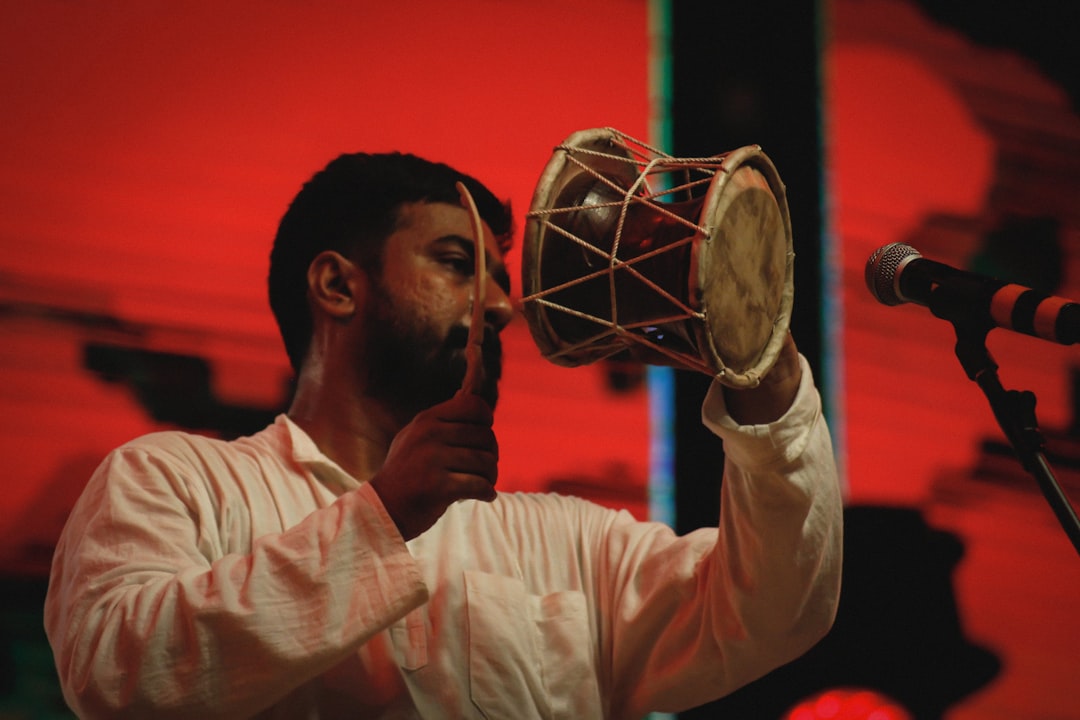
- Saidi: 4/4 with distinctive dum-dum-tek pattern—associated with cane (assaya) dance and Upper Egyptian folklore
- Chiftetelli: Slow 8/4, often used for floor work and veil entrances
Listen actively: Can you identify when a drummer switches from maqsum to saidi? Your body should respond before conscious recognition.
Phase Three: Integration and Performance
Seek Qualified Instruction
Not all classes serve serious development. Evaluate potential instructors by:
- Demonstrated technical proficiency: Can they execute advanced movements cleanly, or only describe them?
- Pedagogical clarity: Do they offer specific corrections, or only general encouragement?
- Cultural knowledge: Can they identify rhythmic structures and stylistic origins?
If local instruction is limited, prioritize online programs with feedback mechanisms—live virtual classes or video exchange with detailed critique. Passive video consumption builds repertoire, not refinement.
Perform Strategically
Performance pressure reveals gaps that studio practice conceals. Structure your progression:
- Video self-assessment: Weekly recordings in practice clothes, no editing
- Peer exchange: Small gatherings with dancers of similar level, mutual feedback
- Student showcases: Low-stakes environments with supportive audiences
- Public performance: When technique remains consistent under stress
Request specific feedback: "Was my shimmy continuous through the transition at 1:15?" General praise builds confidence; precise critique builds skill.