Picture a circle of dancers, hands linked, boots striking wooden floorboards in precise, infectious rhythm. Laughter rises above the fiddle's melody as strangers become partners, then friends. This is folk dance—where tradition lives in muscle memory and every step carries generations of story.
Unlike performance dance forms created for audiences, folk dance remains stubbornly, joyfully participatory. It is traditional movement passed informally through communities, shaped by the work songs, celebrations, and social gatherings of everyday people. From Irish ceili halls to Appalachian barns, Greek islands to Eastern European villages, these dances persist because they serve a purpose: they build connection, mark occasions, and keep cultural identity alive through motion.
Why Folk Dance Belongs in Your Life
The benefits extend far beyond the dance floor. Physically, folk dance builds cardiovascular endurance, improves balance, and develops the ankle strength and core stability that support healthy aging. Socially, it solves the isolation epidemic one hand-hold at a time—most styles require partners or groups, creating natural conversation and community. Culturally, learning these dances offers embodied history; you do not merely read about your ancestors' traditions, you feel them in your feet.
Research from the University of Brighton found that social dancing reduces dementia risk more than other physical activities, likely due to the combination of physical exertion, social engagement, and split-second decision-making that partner dancing requires.
Choosing Your Dance Style
With thousands of folk dance traditions worldwide, selection can overwhelm. Consider these entry points based on your interests and physical profile:
Irish Set Dancing — Performed in square formations of four couples, this style emphasizes rhythmic footwork and lively social interaction. Best for: Those who enjoy structured patterns and Celtic music.
Appalachian Clogging — A percussive American form where dancers become musicians, striking the floor with steel-tipped shoes to create complex rhythms. Best for: Rhythm enthusiasts and those drawn to bluegrass or old-time music.
English Country Dance — Graceful, walking-paced dances from the 17th and 18th centuries, recently popularized by film adaptations of Jane Austen novels. Best for: History lovers and those preferring lower-impact movement.
Greek Syrtaki — A line dance of linked dancers that builds from slow, measured steps to explosive speed. Best for: Those seeking communal energy and Mediterranean culture.
Contra Dance — A living New England tradition where couples dance in long lines, with a caller guiding each figure. Best for: Absolute beginners—the community famously welcomes newcomers.
Before You Begin: Practical Preparation
Folk dance demands less equipment than many activities, but proper preparation prevents injury and accelerates learning.
Footwear matters profoundly. For clogging or tap-influenced styles, invest in hard-soled leather shoes with steel taps. Irish dance requires soft ghillies (lace-up leather shoes) for light jig and reel work. For most European social dances, leather-soled ballroom shoes or clean, smooth-soled street shoes allow the controlled sliding essential for pivots and turns. Avoid rubber soles that grip too aggressively.
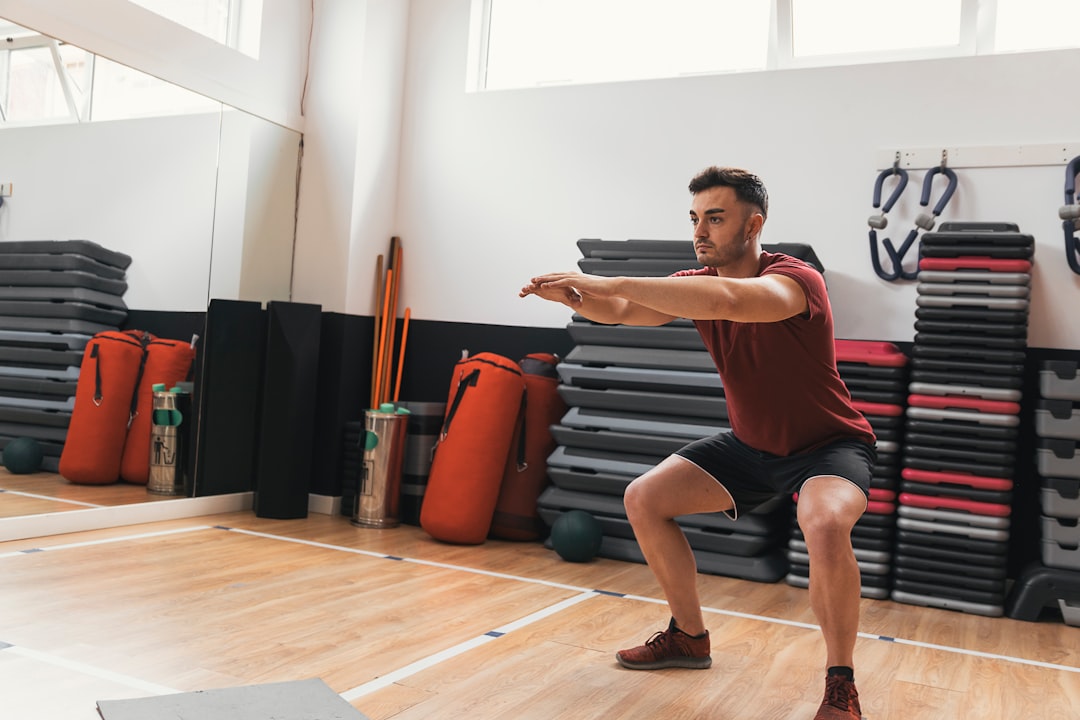
Condition your body for specific demands. Ankle rolls, calf raises, and single-leg balance exercises build the stability that prevents the sprains common in quick directional changes. Core engagement maintains posture through spins and partner work.
Assess your space. You need roughly six feet square for individual practice, with a floor that allows some slide without being dangerously slick. Wood or marley surfaces work best; avoid carpet, which strains knees and catches feet.
Learning Your First Steps
Resist the urge to memorize entire sequences immediately. Instead, isolate foundational elements that transfer across styles.
Begin with the walking step common to most European folk dances: step onto the ball of your foot, transfer weight fully, then bring the second foot to meet it with a gentle brush against the floor. Practice this to a steady 120 beats per minute—use a metronome app—until the rhythm feels automatic in your body.
Add the balance step, a small rocking motion: step to the side, shift weight, return to center. This appears in Irish jigs, English country dances, and contra figures. Master the pivot turn: step forward on one foot, rotate 180 degrees on that foot's ball while the other foot trails, then complete the turn with weight transfer.
Only then approach choreography. Most folk dances consist of short, repeated figures—eight to sixteen bars of music—rather than lengthy sequences. Learn one figure thoroughly before adding the next, and practice transitions between figures deliberately; this is where beginners typically falter.
Building Skill Through Deliberate Practice
Daily practice outperforms occasional marathon sessions. Even fifteen minutes of focused footwork, performed consistently, develops the proprioception—the body's awareness of position in space—that makes complex movement feel natural.
Record yourself. Video reveals