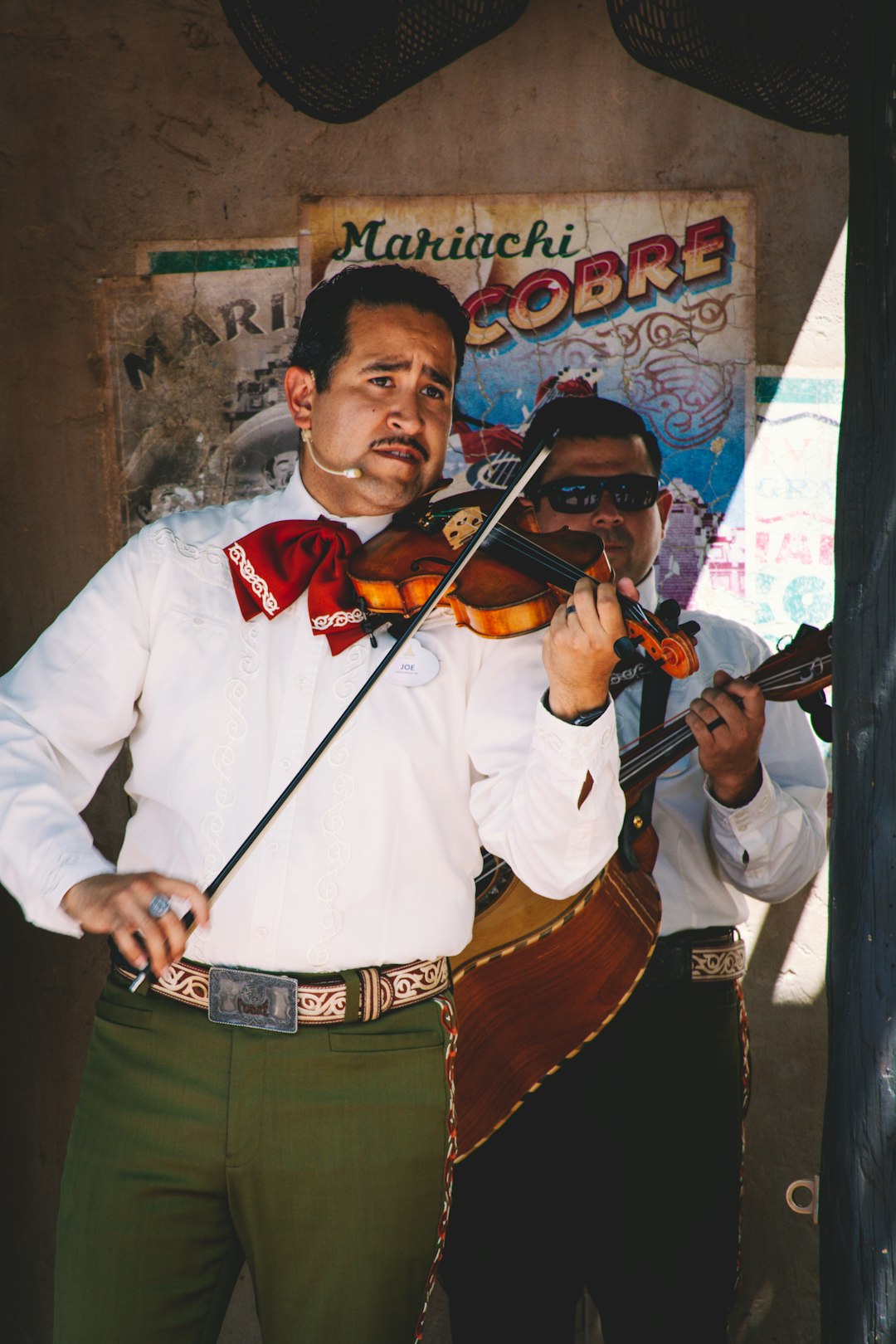
Folk dance is more than movement—it's a living inheritance. Passed through generations, these dances encode history, community bonds, and cultural identity into physical form. Whether you're drawn by ancestral connection, artistic curiosity, or the simple joy of rhythm, learning folk dance rewards patience with profound personal transformation.
This guide maps a realistic progression from absolute beginner to competent performer, with specific benchmarks, timelines, and practical considerations for three distinct traditions: Irish step dancing, Flamenco, and Scottish Highland dancing.
What You'll Need Before You Begin
Time commitment: 2–4 hours weekly minimum for meaningful progress. Most dancers require 1–2 years to reach intermediate level.
Financial investment:
- Irish/Scottish: $50–$120 monthly for classes; hard shoes ($150–$300) and ghillies/pumps ($60–$100)
- Flamenco: $60–$150 monthly; practice shoes ($80–$150), performance heels ($200–$400), and skirts/costuming ($100–$500+)
Physical baseline: Moderate cardiovascular fitness; consult a physician if you have joint issues. Scottish Highland dancing demands exceptional stamina—equivalent to sprinting while maintaining precise control.
Space requirements: Minimum 6×6 feet of hard flooring; mirrors strongly recommended.
Stage 1: Research and Choose Your Tradition
Resist the temptation to treat folk dance as interchangeable "styles." These are distinct cultural practices with different learning curves, community structures, and embodied philosophies.
| Tradition | Core Characteristic | Typical Learning Path | Community Entry |
|---|---|---|---|
| Irish step dancing | Rapid footwork with rigid upper body; competitive and performance-oriented | Accredited schools (An Coimisiún Le Rincí Gaelacha or CRN syllabi) with grade examinations | Feiseanna (competitions), ceili dances, St. Patrick's Day performances |
| Flamenco | Compás (rhythmic structures) and duende (emotional authenticity); improvisation within tradition | Tablaos (performance venues), academies, or peñas (cultural associations); less standardized progression | Juergas (informal gatherings), festivales, accompanying live musicians |
| Scottish Highland dancing | Military precision, vertical elevation, and strict positions of feet; originally male-dominated | Scottish Official Board of Highland Dancing (SOBHD) examinations; strong competition circuit | Highland games, Burns suppers, pipe band associations |
Decision framework: Attend a live performance or beginner class in each tradition that intrigues you. Notice which music moves you physically—which rhythm you feel in your chest before your brain processes it. That embodied response predicts sustainable motivation.
Stage 2: Master the Foundational Vocabulary
Beginner progress depends on deliberate, quantitative practice—not mere repetition.
Irish Step Dancing
Start with the 7s and 3s (basic traveling step) and skip-2-3s. Practice at 50% tempo until you can execute without looking at your feet—typically 20–30 repetitions per step. Use a metronome set to 80 BPM.
Flamenco
Master the planta-tacón (ball-heel) strike pattern and marcaje (marking steps) in 4/4 and 12-beat compás. Clap the rhythm (palmas) for 10 minutes daily before adding footwork. The 12-beat structure (1-2-3, 4-5-6, 7-8-9, 10-11-12) must become automatic before llamadas or escobillas.
Scottish Highland Dancing
Perfect the Highland Fling jump (vertical elevation with controlled landing) and shedding (traveling sideways with crossed feet). These require ankle strength developed through daily elevé exercises: 3 sets of 15 repetitions on each foot.
Common beginner mistakes to avoid:
- Looking down: Develops poor posture and stage fright. Practice 30% of repetitions with eyes fixed at mirror level.
- Rushing tempo: Clean technique at slow speed always beats sloppy speed. Increase metronome by 5 BPM only after 5 error-free repetitions.
- Neglecting the "soft shoe" phase: Irish and Scottish dancers often impatiently advance to hard shoes. The soft shoe foundation determines lifelong alignment quality.
Stage 3: Internalize Rhythm and Musicality
Folk dance is not performed to music—it is music made visible. This stage transforms mechanical steps into expressive communication.
Structured Exercises by Tradition
Irish: Practice with a metronome starting at