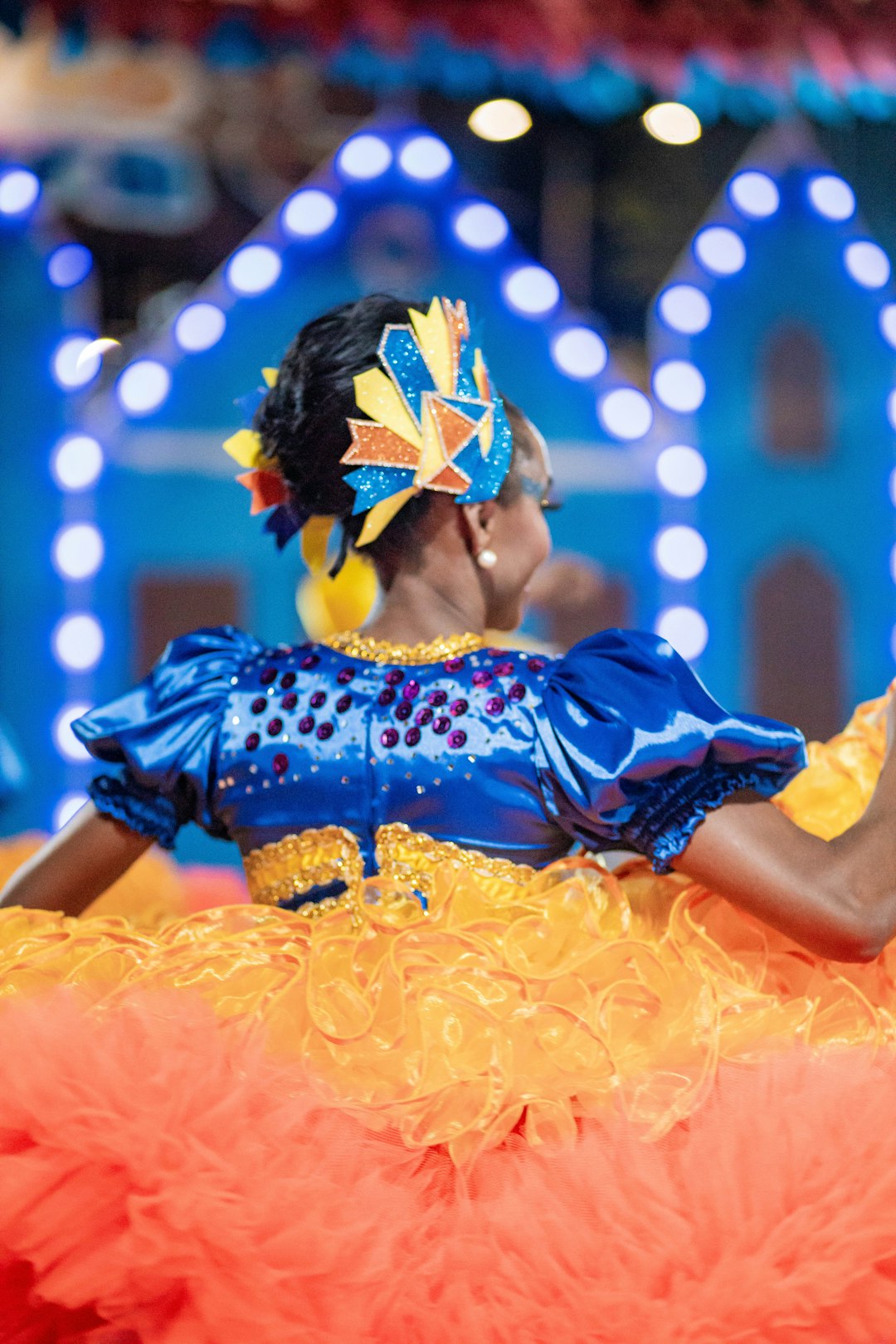
In a dimly lit tablao in Seville, a dancer's heels strike the wooden floor in rapid zapateado—the percussive heartbeat of Flamenco. That sound, honed over years of unwavering commitment, transforms raw emotion into art. But the journey from a child's first clumsy steps to commanding a professional stage spans decades of sacrifice, cultural immersion, and the relentless pursuit of duende—that elusive moment when performer and audience become one.
The Foundation: Learning to Listen Before Moving
At Madrid's Amor de Dios academy, children as young as five begin not with steps, but with compás—clapping the 12-beat rhythm cycle that underpins every palo, or rhythmic form. This foundational practice reveals Flamenco's essential truth: the dancer is not soloist but one voice in a conversation between cante (song), toque (guitar), and jaleo (rhythmic encouragement from fellow performers).
María "La Chispa" Ortega, now 34 and principal dancer with Compañía Antonio Gades, recalls her own beginning at age six in Córdoba. "My grandmother would wake me at midnight to listen to soleá at the neighborhood peña," she says. "I learned that Flamenco lives in the dark hours, in community. The technique came later. First, I had to feel the quejío—the cry—in my bones."
This cultural transmission distinguishes Flamenco from studio-trained dance forms. Family lineage matters: many professional dancers count three or four generations of flamencos before them. For those without blood connection to the tradition, mentorship becomes sacred. A dancer may spend years serving as aprendiz (apprentice) to a established artist, absorbing not just choreography but the philosophy of aflamencamiento—becoming Flamenco through total immersion.
The Forge: Technique as Devotion
The physical demands of professional preparation defy casual commitment. Dancers spend months perfecting llamadas—attention-calling footwork patterns—before adding the braceo arm work that frames the torso like a living sculpture. Each palo requires distinct emotional calibration: the solemn gravity of siguiriya versus the explosive joy of alegrías, the sensual mystery of tarantos against the playful banter of bulerías.
"People see the fire onstage and think Flamenco is all passion," notes Diego Ramírez, 28, who performs at Tablao Cordobés in Barcelona. "They don't see the 4 AM practices, the bloody heels, the years when your body refuses what your heart imagines." Ramírez trained for eleven years before his first paid performance, including three years dedicated solely to escobilla—the rapid footwork sequences that can exceed 15 beats per second.
The discipline extends beyond movement. Professional dancers study cante to understand melodic phrasing, toque to anticipate guitar variations, and letras (song verses) to embody narrative. A soleá por bulerías performed without comprehension of its letra—perhaps a mother's lament for emigrant children—betrays the form's essence. Authenticity, not technical perfection, separates adequate dancers from transformative artists.
Trial by Fire: From Academy to Audience
The transition from studio to stage tests psychological resilience as severely as physical preparation. Student fin de curso (end-of-year) recitals evolve into concursos (competitions) like the prestigious Córdoba National Flamenco Art Competition, where dancers as young as sixteen perform before legendary judges and merciless audiences.
Carmen Molina, 41, artistic director of Sevilla's Molina Flamenco, describes her breakthrough at 19: "I competed in the Desplante category—pure bulerías—wearing a costume my mother sewed from curtain fabric. Halfway through, my bata de cola (trained skirt) caught my heel. I had seconds to decide: stop, or transform the stumble into llamada. I chose the llamada. That night I understood: Flamenco rewards the brave, not the perfect."
These crucible moments reveal whether a dancer possesses duende—Federico García Lorca's term for the authentic, almost dangerous emotional truth that distinguishes mechanical execution from art. Not every professional achieves it consistently. Some spend careers in competent technical proficiency without touching that deeper current. Others, seemingly overnight, find their duende and are transformed.
The Professional Life: Multiple Paths
Professional survival requires entrepreneurial creativity rare in