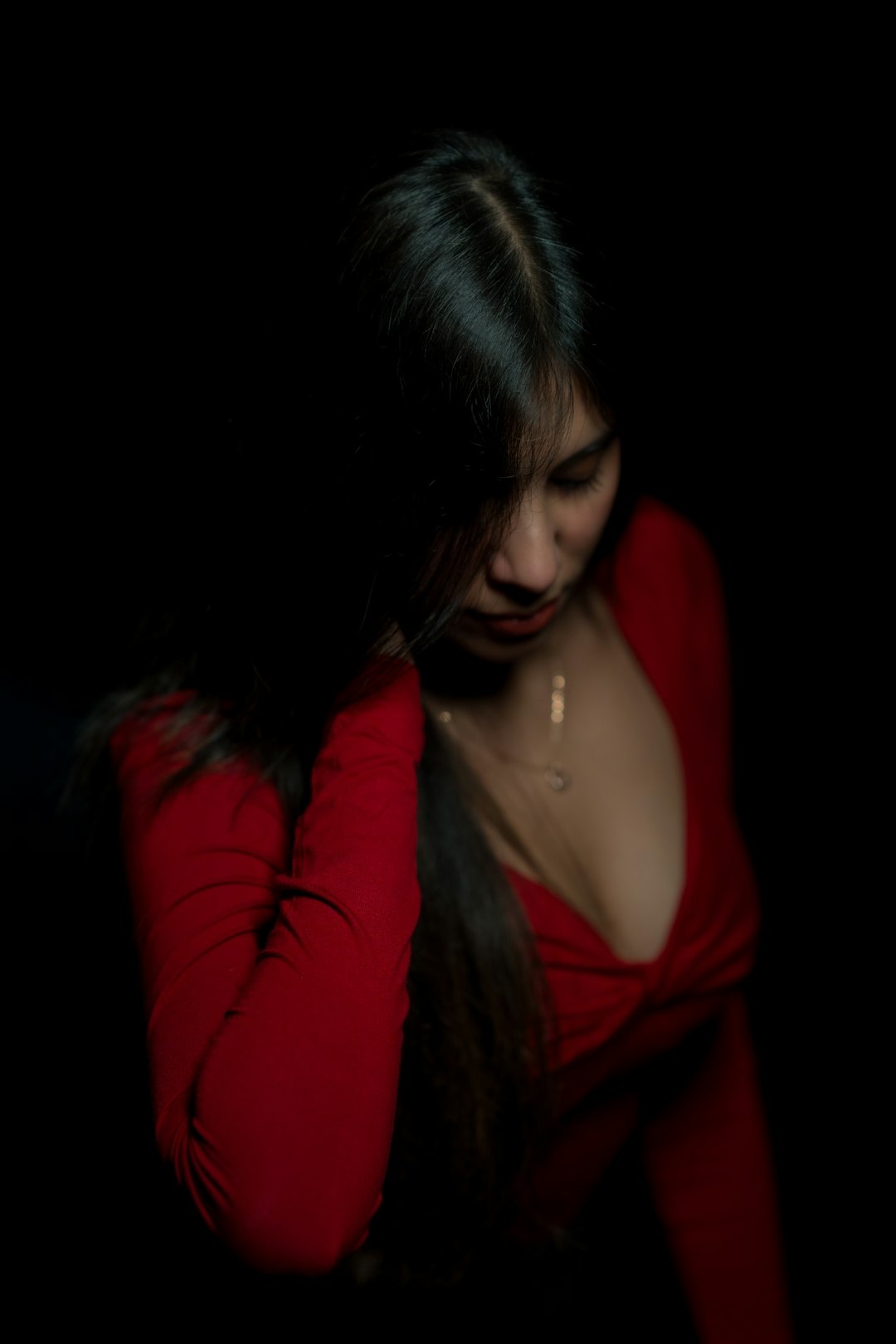
From First Steps to the Stage: Your Roadmap to Becoming a Professional Flamenco Dancer

From First Steps to the Stage

Your Roadmap to Becoming a Professional Flamenco Dancer

The journey of baile flamenco is one of passion, discipline, and profound self-expression. This is your map.


1

The Foundation: Immersion & First Steps

Before a single zapateado (footwork) is mastered, the soul must be tuned to Flamenco's frequency. This stage is about building a relationship with the art form.

Listen Deeply: Devour the music. Immerse yourself in the cante (singing) and toque (guitar). Learn to distinguish palos (styles)—the sorrow of a Soleá, the fire of a Bulería.
Find Your Guide: Choose your first teacher carefully. Look for someone who emphasizes compás (rhythm) and posture from day one, not just choreography.
Embrace the Basics: Brazos (arms), muñecas (wrists), postura (posture). These are your alphabet. Practice them with the patience of a scribe.
Connect to the Culture: Understand Flamenco's history—its roots in the diverse cultures of Andalusia. This depth will later echo in your performance.
2

Technical Ascent: Building the Toolbox

This is the rigorous phase of physical and musical construction. The body becomes an instrument, and technique its tuning key.

Master Compás: This is non-negotiable. Your feet, your hands, your soul must internalize the 12-beat cycle of a Soleá, the vibrant rhythm of an Alegría. Clap it until it’s your heartbeat.
Footwork Drills (Zapateado): Develop clarity, speed, and endurance. Start slow, focusing on clean, distinct sounds. Speed is a byproduct of control.
Arms & Hands (Braceo y Floreo): Cultivate fluidity and grace. The contrast between powerful feet and flowing arms is the visual heart of the dance.
Study with Specialists: Take workshops with masters known for specific skills—a footwork virtuoso, a master of palillos (castanets).
"You don't just learn steps. You learn a language. The compás is your grammar, the palmas your punctuation, and your body writes the poem."
3

The Integration: From Steps to Expression

Technique and soul begin to fuse. You move from executing steps to interpreting the cante and communicating duende (profound emotion).

Improvise (Escuchar y Responder): Learn to listen and react in the moment. A good dancer follows the singer's phrasing and the guitarist's accent. Start in class jam sessions.
Develop Your Falseta: Create your own short movement phrases, just as a guitarist has their melodic falsetas. This is the seed of your artistic voice.
Perform in Peñas & Informal Settings: Seek out Flamenco gatherings. The juerga (informal party) is the traditional cradle of the art. It’s raw, real, and the best training ground.
Deepen Musical Collaboration: Start working directly with a guitarist and singer. Understand how your llamada (call) signals a change, how your remate (finishing move) punctuates a line.
4

The Professional Threshold: Crafting a Career

You have the tools, the feeling, and the experience. Now you build the vessel for your art to reach the world.

Assemble Your Materials: Create a high-quality, professional video reel showcasing different palos. Have a clean CV/resume and strong professional photos.
Network Authentically: The Flamenco world is a community. Support others' shows, take classes from established artists, build relationships based on respect, not just opportunity.
Consider Formal Training: For many, intensive study in Spain (in cities like Seville, Jerez, or Madrid) is a transformative step. It immerses you in the source.
Define Your Niche: Are you drawn to traditional, classical Flamenco, or more contemporary fusion? Do you excel in intense, profound styles or lively, festive ones? Your unique blend of skills and passion will guide your path.
"The stage isn't a destination; it's a conversation. The lights are your partner, the silence is your singer, and every night the duende must be courted anew."

Your Journey is Unique

This roadmap is a guide, not a rigid formula. Some dancers spend years in Stage 2, honing impeccable technique. Others find their expressive voice early. The constant is dedication, respect for the tradition, and the courage to be vulnerable. Flamenco isn't just danced; it's lived. ¡Mucha suerte y mucho arte!


This art form is passed down like a living heirloom. Honor the past as you find your own voice.

© Flamenco Vivo | The journey never ends.

Leave a Comment

Commenting as: Guest

Comments (0)

  1. No comments yet. Be the first to comment!





