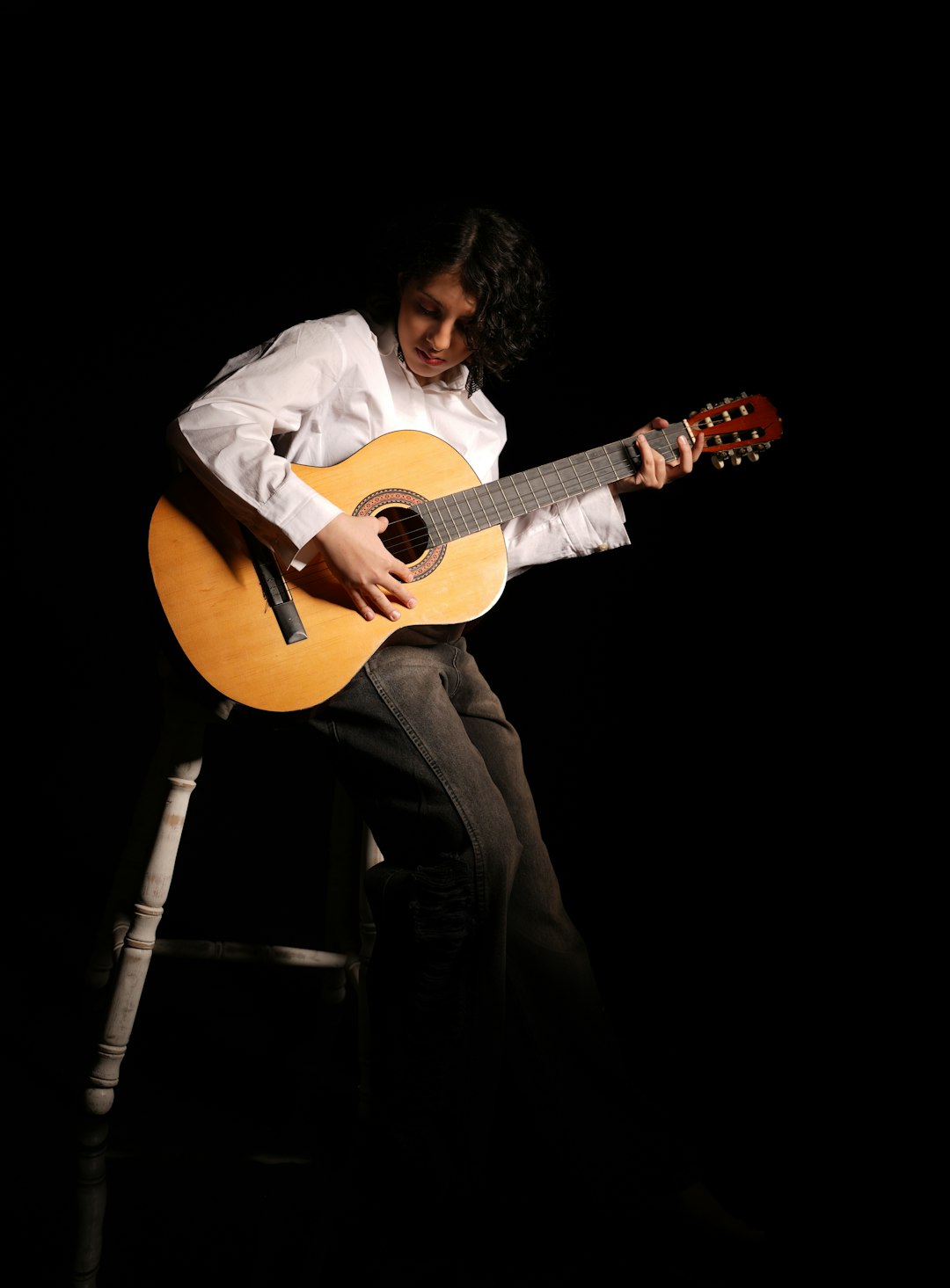
Let's be real: when most people think "Spanish dance," a very specific image pops into their heads. It's all fiery flamenco, dramatic skirts, and passionate stomping. And don't get me wrong, that's an incredible, vital art form. But what if I told you Spanish dance is so much more? That it's currently being redefined and projected onto the global stage by a visionary who sees its past, present, and future all at once?
Enter Antonio Najarro.
If you haven't heard his name yet, you will. This isn't just another talented dancer; this is a choreographic architect. Reading about his journey, from the rigorous training at the Royal Conservatory of Dance in Madrid to his transformative tenure as the artistic director of the Spanish National Ballet, one thing becomes crystal clear: Najarro isn't preserving Spanish dance in amber. He's plugging it into the mains.
His work is the perfect antidote to cultural cliché. He takes the deep, raw vocabulary of flamenco—the *zapateado*, the profound emotion, the intricate rhythms—and fearlessly marries it with the sleek lines of neoclassical ballet and the grounded, visceral energy of contemporary dance. The result? Something entirely new. It's Spanish dance that speaks a universal language. It has the soul of tradition but the body and ambition of the 21st century.
This is where Najarro's genius for "going global" truly lies. It's not about dilution; it's about connection. By weaving Spanish traditions with other techniques, he creates bridges. A balletomane in Moscow can find a point of entry in the familiar turn-out and extension, only to be swept away by a flamenco's *llamada*. A contemporary dance fan in Seoul can connect with the physical storytelling, rooted in a new, compelling rhythmic sensibility.
His productions for the Spanish National Ballet, like "Sorolla," didn't just showcase dance; they created immersive worlds, proving that Spanish cultural themes can be the foundation for spectacular, large-scale theatrical experiences that tour the world.
So why is Antonio Najarro the choreographer we need right now?
In a world where culture is often either stuck in rigid, "pure" tradition or flattened into a homogenous global paste, Najarro offers a third way. He demonstrates that the deepest way to honor your heritage is to let it breathe, evolve, and converse with the wider world. He shows us that identity can be a springboard, not a cage.
He's not taking Spanish dance global by simply exporting flamenco shows. He's taking it global by expanding the very definition of what Spanish dance can be, making it resonate in theaters from New York to Tokyo on its own powerful, innovative terms.
The message is exciting: the future of cultural expression is fusion, respect, and fearless creativity. Antonio Najarro isn't just a choreographer; he's a cultural diplomat with a killer sense of rhythm. And the world stage is finally listening.
**What do you think? Can traditional dance forms stay relevant without evolving? Share your thoughts in the comments!**










