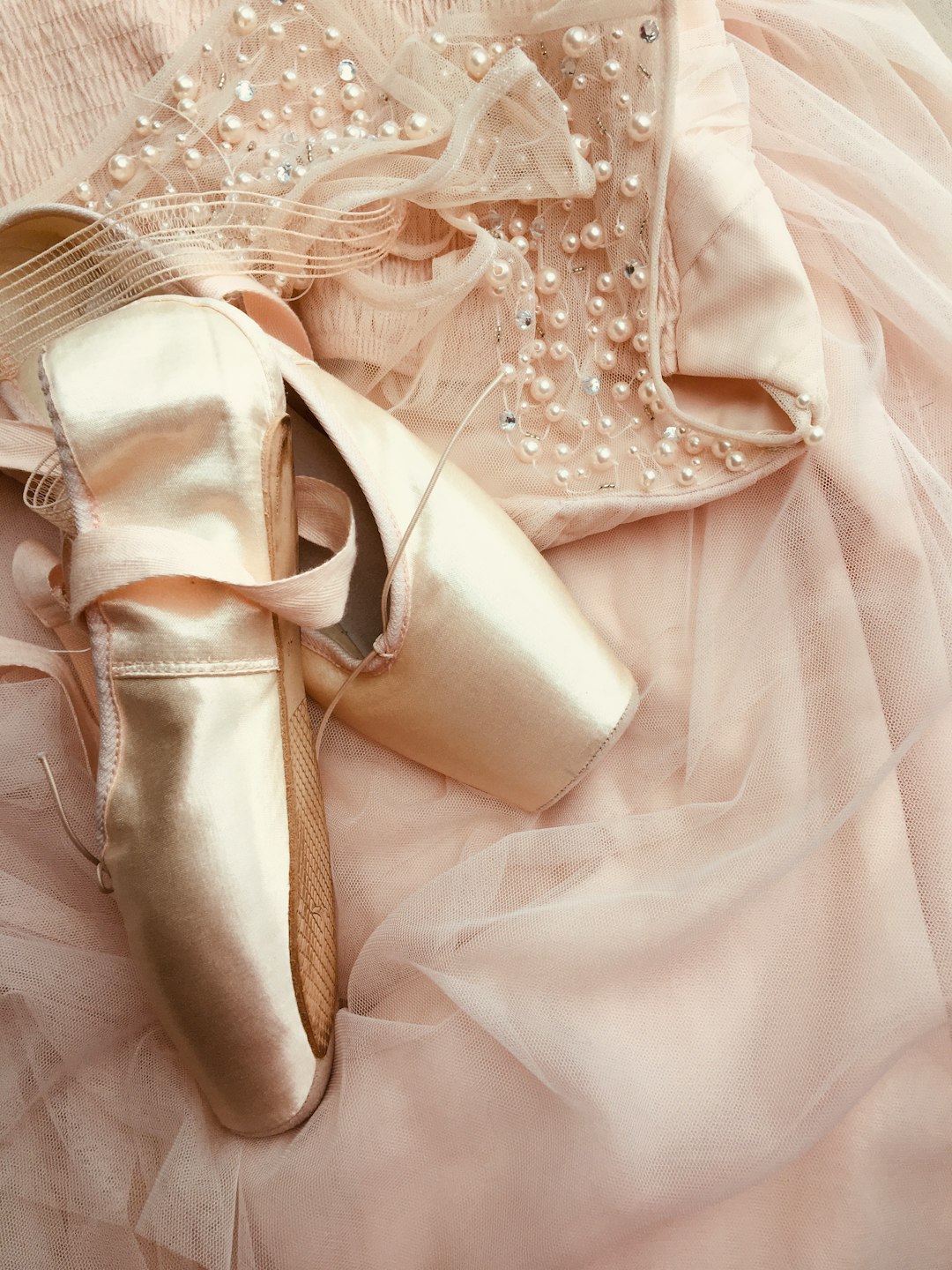
Ballet rewards those who commit to continuous refinement. Whether you're preparing for your first solo or refining your twentieth principal role, the path to growth remains remarkably consistent: deliberate practice, physical intelligence, and unwavering curiosity about the art form. This guide offers practical strategies to deepen your practice—approaches that serve dancers at every stage, from dedicated student to seasoned professional.
Refine Your Foundation
Even principal dancers return to first position daily. The difference lies in how they approach it.
Advanced refinement of basics means interrogating what you've assumed is automatic. In first position, are you gripping the floor with all five metatarsals? Is your weight genuinely distributed across the tripod of the foot, or are you sinking into the heels? When you plié, does your pelvis remain neutral, or does the tailbone tuck under pressure?
Schedule weekly "technique audits" with a trusted teacher. Film yourself in fundamental positions—tendu, dégagé, rond de jambe—and analyze frame by frame. The gaps between your perceived execution and actual execution reveal your next layer of growth.
Deepen Your Musical Intelligence
Musicality separates competent dancers from compelling artists. Beyond counting beats, advanced musicality involves manipulating time itself.
Practice the Rose Adagio from Sleeping Beauty counting aloud in 3/4, then in 6/8. Notice how phrasing choices affect dramatic tension. Experiment with rubato—stealing time at the height of a développé, then catching up without rushing the landing. Record yourself dancing the same eight-count phrase three ways: behind the beat, on the beat, and slightly ahead. Which serves the choreography's emotional intent?
Study scores, not just recordings. Understanding orchestral voicing helps you anticipate musical architecture rather than merely reacting to it.
Cultivate Mental Precision
The mind directs every line. Develop concentration through specific protocols rather than vague "mindfulness."
Before class, spend five minutes visualizing your ideal execution of a challenging combination—first from an external perspective (watching yourself), then internally (feeling the movement). Research on motor imagery shows this dual approach strengthens neural pathways more effectively than physical practice alone.
During performance, anchor attention to concrete sensory details: the resistance of the floor in a pirouette preparation, the breath suspension at the apex of a jump. These anchors interrupt anxiety loops and maintain present-moment focus.
Deconstruct Variations Strategically
Select repertoire that exposes specific technical weaknesses. The 32 fouettés in Swan Lake demand not just strength but precise vestibular coordination—practice two rotations with eyes closed to test your spotting independence. Kitri's Act I variation from Don Quixote requires explosive batterie; slow-motion video analysis reveals whether your beats originate from the hips or the feet.
Break challenging passages into three-bar phrases. Master each at 50% tempo with perfect form before incrementally increasing speed. Velocity without control is merely momentum.
Cross-Train with Ballet-Specific Purpose
Supplemental training should address ballet's unique demands, not general fitness.
Pilates reformer work builds the deep core stability required for sustained arabesque alignment. Yoga's standing balances improve proprioception for pirouette preparation. However, avoid hypermobility training that compromises joint stability—essential for landing from grand allegro.
Most critically: train rotation strength specifically. The clamshell exercise and its progressions target the deep external rotators that maintain turnout throughout a performance.
Study the Architecture of Greatness
Analyze performances with technical curiosity, not just aesthetic appreciation.
Compare Maya Plisetskaya's Dying Swan with Ulyana Lopatkina's interpretation—note how arm trajectory and breath timing create entirely different emotional narratives despite identical choreography. Examine Danish School épaulement (square shoulders, harmonious proportions) against Vaganova opposition (dynamic diagonals, dramatic contrast).
Attend live performances when possible. Camera angles flatten dimensionality; only live viewing reveals how dancers project energy to the upper balconies through intention rather than amplitude.
Solicit Specific Feedback
General praise doesn't advance technique. Request targeted observations: "Is my supporting hip dropping in pirouette en dehors?" "Does my head arrive before or with the movement in port de bras?"
Film feedback sessions. The discrepancy between verbal correction and physical execution often reveals comprehension gaps. Maintain a practice journal documenting corrections, breakthroughs, and recurring challenges—patterns emerge over months that single sessions obscure.
Prioritize Ballet-Specific Health Management
Ballet's physical demands require proactive rather than reactive care.
Nutrition must support glycogen demands of multiple daily classes without compromising bone density—work with sports dietitians familiar with aesthetic sport requirements. Address minor inflammation immediately; tendinitis in a dancer becomes career-threatening








