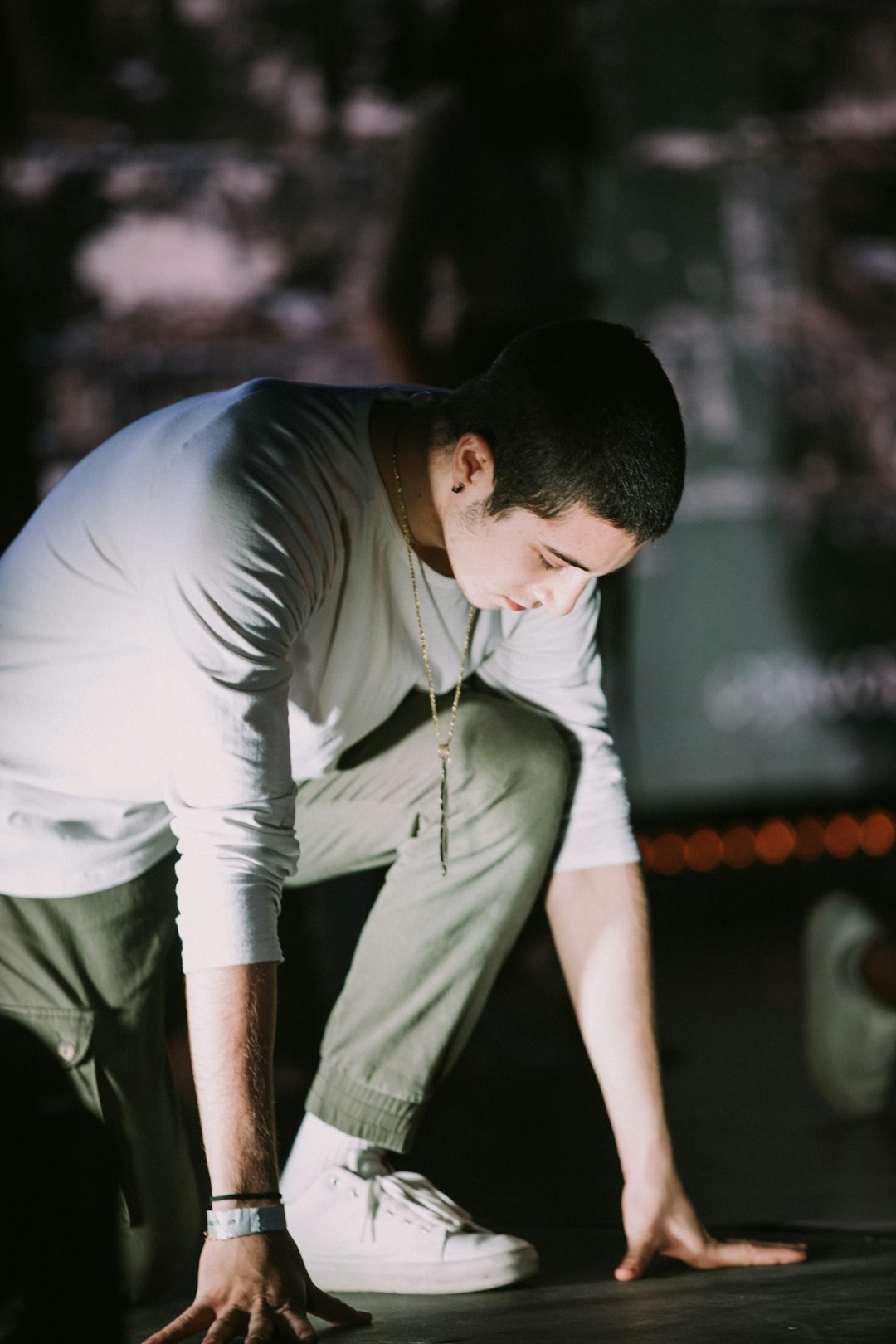
Ballroom dancing rewards those who push past competence toward artistry. If you've spent years perfecting your bronze and silver syllabus figures, you already know that technical execution and true elegance are different achievements. This guide bridges that gap—targeting the intermediate dancer ready to develop the refinement, musical sophistication, and partnership dynamics that distinguish memorable performances from merely correct ones.
1. The Advanced Dancer's Mindset: Practice as Deliberate Craft
Before addressing specific techniques, recalibrate how you approach improvement. Advanced dancers don't simply repeat patterns—they dissect them.
Quality over repetition: One perfectly executed Reverse Turn with intentional head delay, controlled rise, and precise foot placement teaches more than twenty mechanical repetitions. Record yourself weekly. Analyze frame collapse, timing drift, and energy leaks that live practice obscures.
Micro-adjustment focus: Advanced technique lives in details invisible to casual observers. For your next practice session, isolate one element—perhaps ankle stability through the standing leg during pivot actions, or the precise moment of head weight transfer in promenade position. Mastery accumulates through these granular improvements.
Feedback architecture: Establish relationships with at least three trusted observers: your primary instructor for technical correction, a peer dancer for partnership perspective, and occasionally a judge or coach from outside your studio for unbiased assessment.
2. Technical Refinement by Discipline
Standard & Smooth: Sculpting the Silhouette
The characteristic "topline" of Standard dancing separates polished performers from developing ones. Achieve it through specific mechanical understanding:
Left-side stretch: Maintain toned extension through the left elbow and latissimus, creating the frame's roofline. Simultaneously allow the right side to settle naturally—forcing bilateral symmetry produces rigidity. This asymmetry permits the sway and shape changes that define Waltz and Foxtrot.
Rise and fall mechanics: In Waltz, rise begins through the ankles and calves on count 2, continues through the body on 3, and lowers through controlled knee flexion on the following 1. Advanced dancers manipulate this timing—delaying rise slightly to create suspension, or accelerating it for dramatic effect.
Floorcraft strategy: Competition floors crowd quickly. Develop pattern alternatives for every routine segment. When another couple blocks your planned Reverse Turn, can you convert to a Closed Impetus? Can your Foxtrot Basic extend or compress to match available space? Practice with deliberate obstruction—have peers block your path unexpectedly.
Latin & Rhythm: Isolation and Elasticity
Latin technique demands body control fundamentally different from Standard:
Cuban motion refinement: Advanced dancers isolate the hip action's three components—settling the hip over the standing leg, creating lateral displacement through ribcage opposition, then releasing through knee and ankle action. Practice each component separately before integration. The motion should appear continuous yet contain distinct mechanical phases.
Frame elasticity: Unlike Standard's sustained stretch, Latin frame breathes. Maintain connection through the hands and arms while allowing elbow joints to absorb and redirect your partner's energy. Think of water, not architecture—responsive, flowing, never resisting directly.
Speed variation: Competent dancers perform Cha-Cha at consistent tempo. Elegant dancers manipulate velocity—accelerating into locks, stretching the 4-and-1 rhythm to create anticipation, or snapping into position for dramatic contrast.
3. Partnership Dynamics: Beyond Leading and Following
True partnership transcends signal and response. Advanced pairs develop what competitors call "shared consciousness."
Connection mechanics by style:
- Standard: The topline connection operates through tone, not tension. Imagine a string connecting your sternums—maintained without pulling. The hip connection communicates direction; the frame connection communicates shape.
- Latin: Connection pulses. During Cha-Cha chasses, the hand contact lightens; during Rumba walks, it deepens. This variation creates the dialogue that engages audiences.
Timing synchronization: Practice dancing with your eyes closed—first individually, then together. Remove visual dependency to develop kinesthetic awareness of your partner's weight changes, breathing patterns, and preparation for movement.
Off-floor partnership: Discuss interpretations before stepping onto the floor. Does this Rumba convey longing or resignation? Should this Quickstep sparkle with joy or swagger with confidence? Aligned intention produces visible coherence.
4. Musical Sophistication: Dancing Between the Notes
Advanced musicality involves deliberate relationship with time itself.
Syncopation and anticipation: In Cha-Cha, experiment with breaking on "4-and" rather than the standard "2-3" to create rhythmic tension. In Swing, delay the rock step slightly, then accelerate through the triple step to generate momentum.
Phrase manipulation: Most ballroom music organizes into eight-bar phrases. Advanced dancers feel the architecture—knowing when a musical sentence completes, when a new theme introduces, when the bridge arrives. Structure your routine's emotional arc to match: building intensity through the first phrase, releasing at the cad