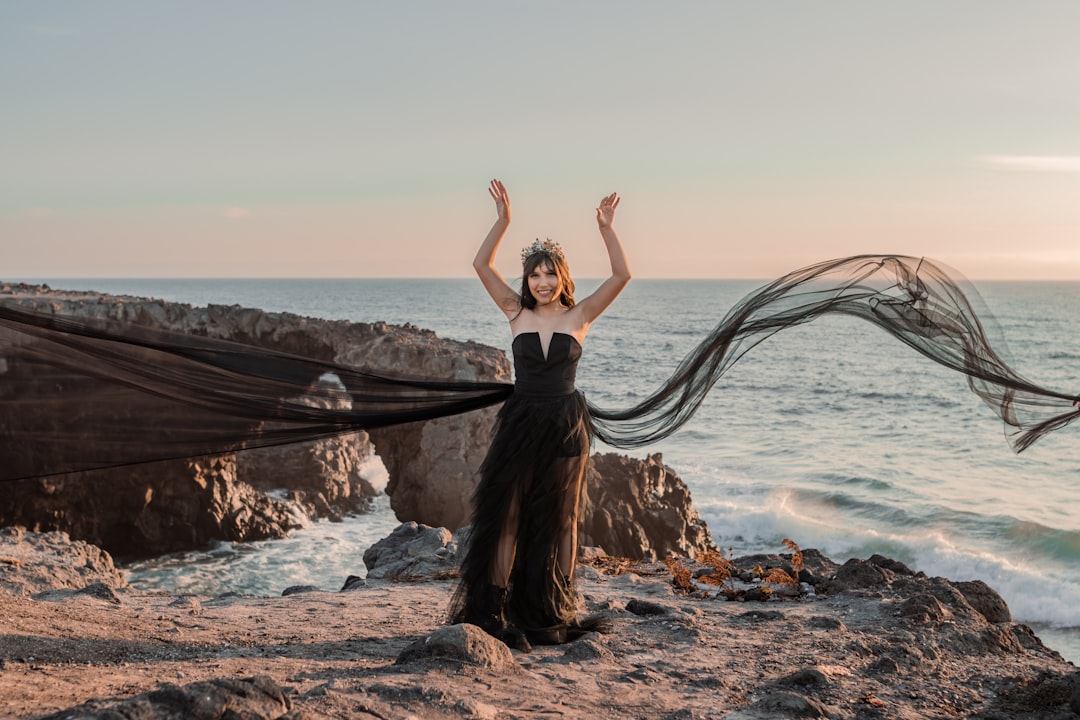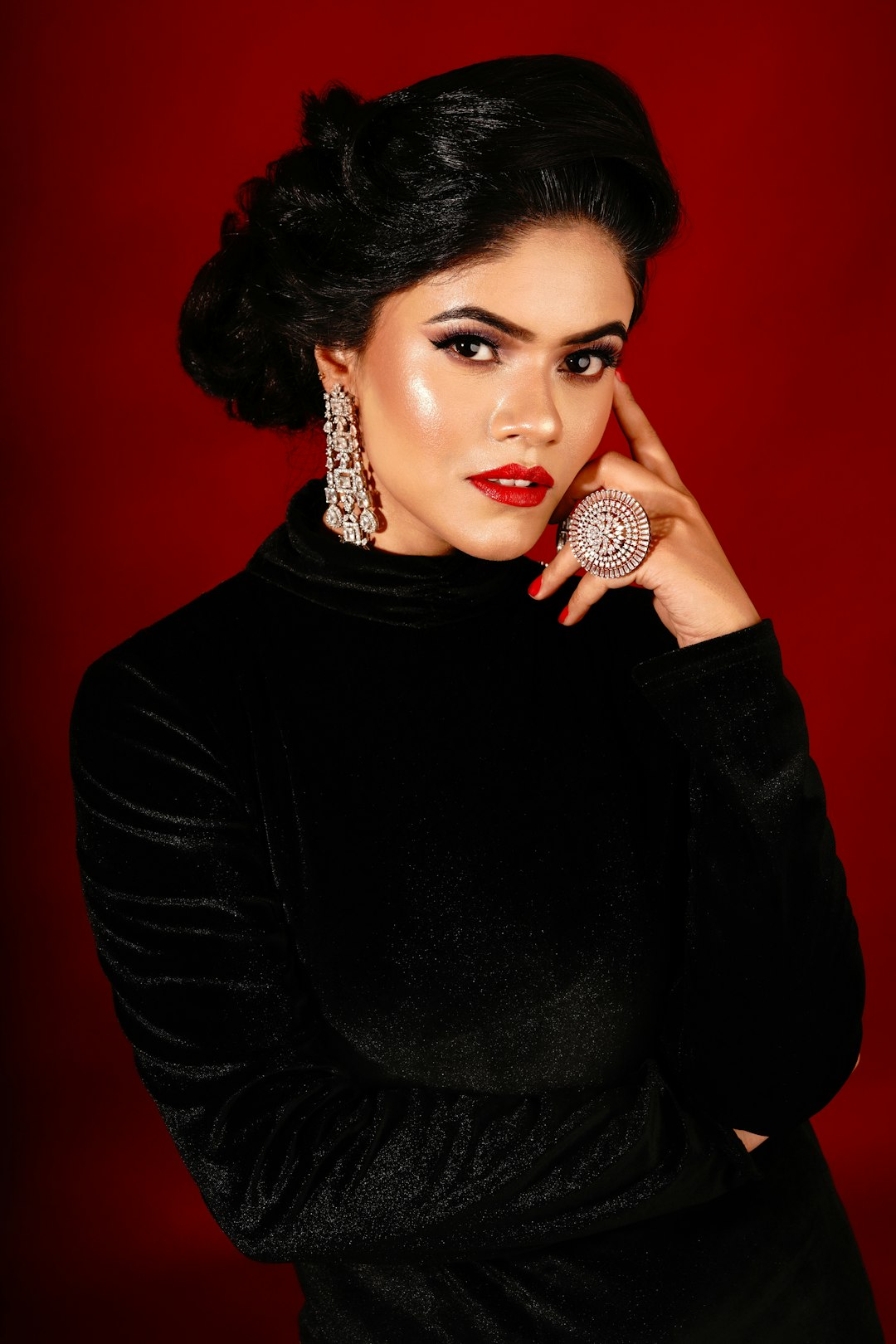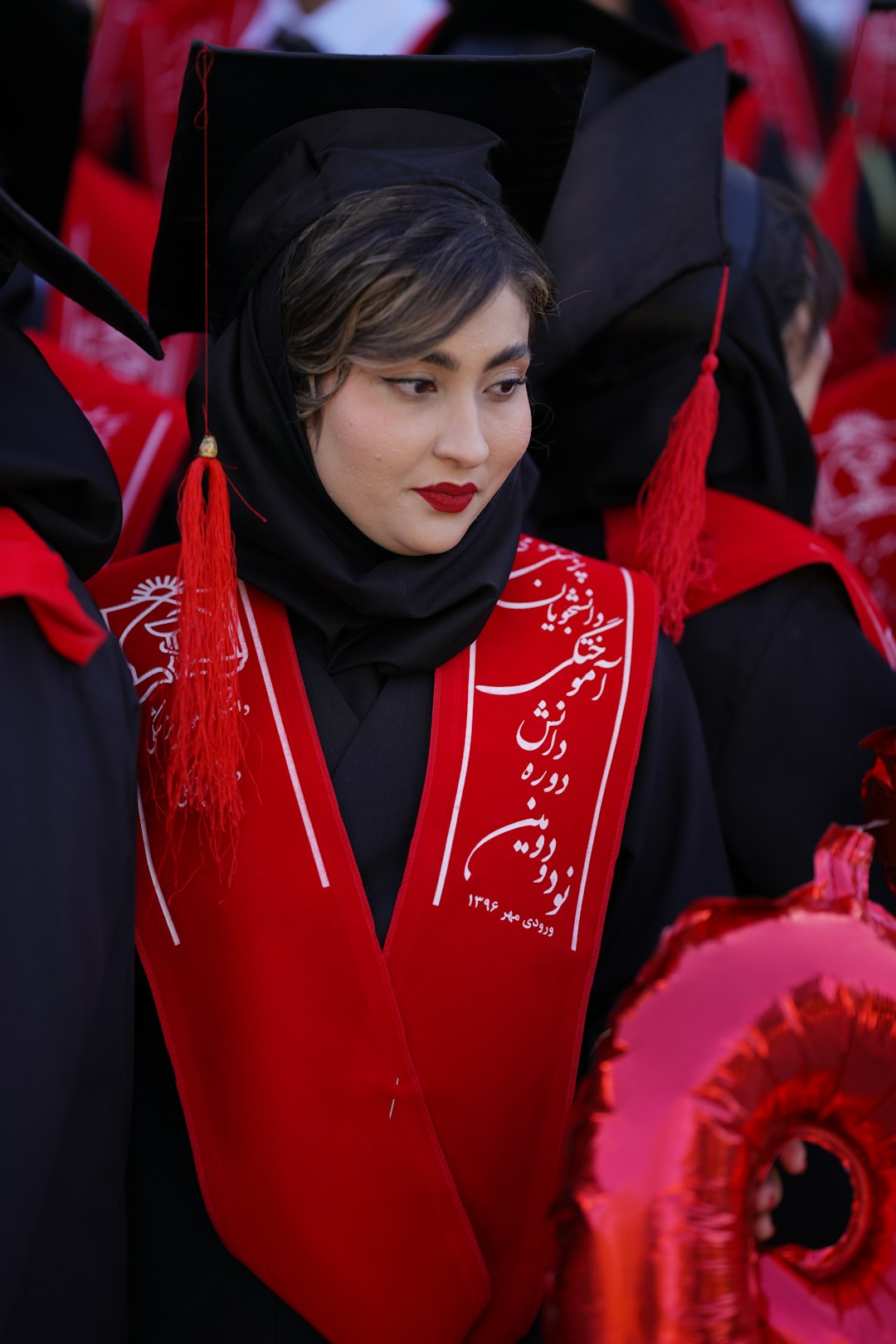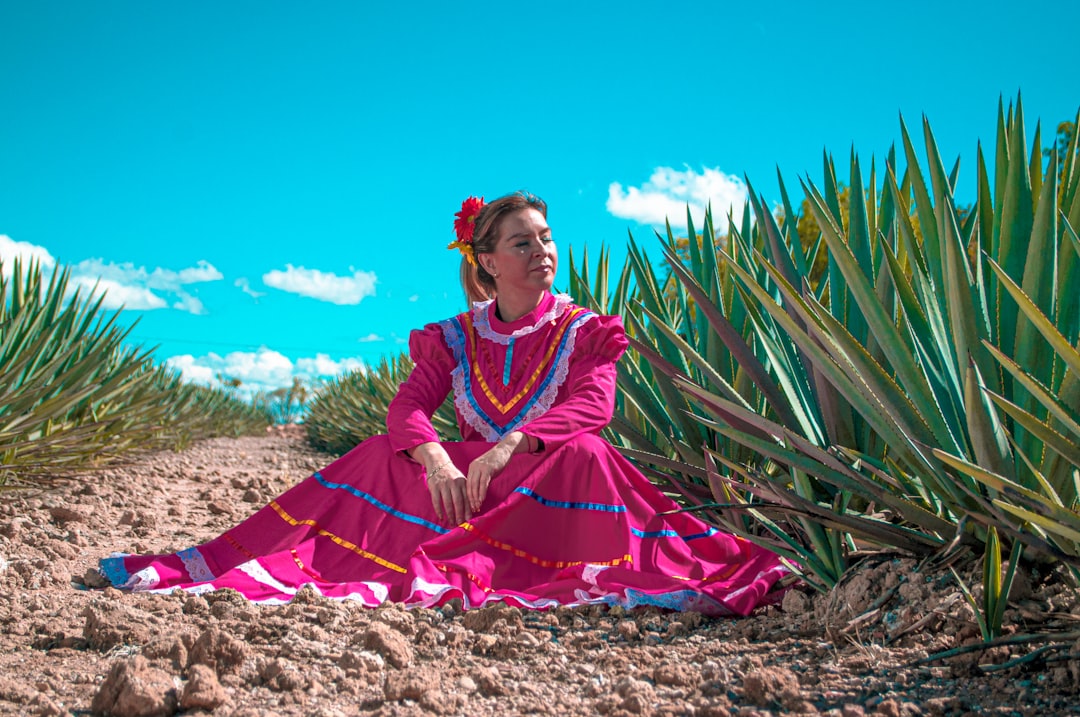
When choreographer Pina Bausch's Nelken toured in 1982, audiences didn't just see dancers in silk dresses—they saw fabric redefined by velocity and gravity. Forty years later, that kinetic logic has migrated from stage to street, with designers from Jonathan Anderson to Christopher John Rogers treating the moving body as their primary design constraint. The relationship between contemporary dance and fashion has evolved from occasional reference to foundational methodology, influencing how garments are conceived, constructed, and worn.
Movement as Method: Why Designers Are Hiring Dancers
The contemporary dance influence on fashion operates through direct collaboration more than abstract inspiration. At Loewe, creative director Jonathan Anderson has repeatedly partnered with dancers, most notably referencing Martha Graham's contraction-and-release technique in his Fall 2022 collection—where models moved through rigid architectural forms that suddenly yielded to fluid collapse. Similarly, Iris van Herpen's atelier employs dancers as fit models during development, using motion-capture technology to map how 3D-printed polymers respond to arabesques and floor work.
This practice reflects a broader industry shift. Where traditional fashion design prioritized the static pose, contemporary houses now test garments in motion. Nike's 2023 dance-specific line, developed with choreographer Parris Goebel, used contemporary dancers rather than standard fit models throughout prototyping. The resulting garments account for torso articulation and limb extension that conventional sportswear ignores.
Fabric as Architecture: Pleats, Volume, and Kinetic Engineering
Issey Miyake established the template for dance-informed textile innovation with his 1988 Pleats Please line, developed after observing how choreographer William Forsythe's dancers required clothing that maintained structure through extreme deformation. Miyake's proprietary heat-pleating technique created permanent creases that expanded and contracted with body movement—garments that performed choreography themselves.
Contemporary designers have extended this research. Hussein Chalayan's 2000 "Table Dress" and subsequent kinetic garments literalized the dance-fashion intersection, with models transforming furniture into wearable sculpture through choreographed movement. More recently, Christopher John Rogers's voluminous taffeta gowns—favored by performers including Dua Lipa and Tracee Ellis Ross—employ interior boning and strategic weighting that creates controlled collapse and recovery, mimicking how contemporary dancers manipulate momentum.
The technical challenge differs fundamentally from traditional construction. Dance costume prioritizes specific lighting conditions, viewing distance, and performance duration. Fashion adaptation requires translating these effects for variable contexts—daylight, close proximity, extended wear—without losing kinetic impact.
The Activewear Evolution: Beyond Yoga's Aesthetic
The rise of movement-focused ready-to-wear often conflates yoga and Pilates aesthetics with dance influence, but contemporary dance has generated distinct contributions. Stella McCartney's ongoing Adidas collaborations have specifically engaged contemporary dancers including Marie-Agnès Gillot, former étoile of the Paris Opera Ballet, to test how seamless construction performs during floor work and inversion—movements that expose construction failures invisible in standing poses.
Jacquemus founder Simon Porte Jacquemus, himself a former ballet student, has cited contemporary choreographers Anne Teresa De Keersmaeker and Sidi Larbi Cherkaoui as direct influences on his proportion experiments. His Spring 2024 collection's exaggerated limb elongation—through dropped shoulders and extended sleeves—translates choreographic line into silhouette.
This represents a departure from athleisure's functional minimalism. Where yoga-inspired clothing emphasizes compression and neutrality, dance-informed design celebrates articulation and expression: visible seams that trace muscle movement, strategic cutouts that expose working joints, color blocking that emphasizes limb extension.
Color, Pattern, and Emotional Kinetics
Contemporary dance's influence on color and pattern operates through what might be called emotional kinetics—the translation of movement quality into visual vibration. Eiko Ishioka's costume design for Bausch's company established this approach, using saturated, unexpected color combinations that intensified under stage lighting as dancers moved through space.
Valentino's 2022 "Pink PP" collection, coinciding with a major Pina Bausch revival at the Brooklyn Academy of Music, deployed single-color intensity as choreographic force—models moved through environments where hue itself created visual rhythm. Sies Marjan's gradient silk developments, developed with textile innovators in the Netherlands, create color shifts through fabric movement rather than printed pattern, so the wearer's motion generates the design's transformation.
This differs from conventional fashion's use of color for identification or mood. Dance-informed color functions dynamically, changing as the body changes position—what designer Susan Cianciolo has termed "performance color" that requires activation through movement.
The Tension: Costume Versus Clothing
The dance-fashion intersection contains productive friction. Dance costume serves specific, limited duration; fashion must survive repeated wear across contexts. Choreographer Wayne McGregor's 2016 collaboration with Gareth Pugh for the Royal Ballet exposed this gap—costumes spectacular onstage