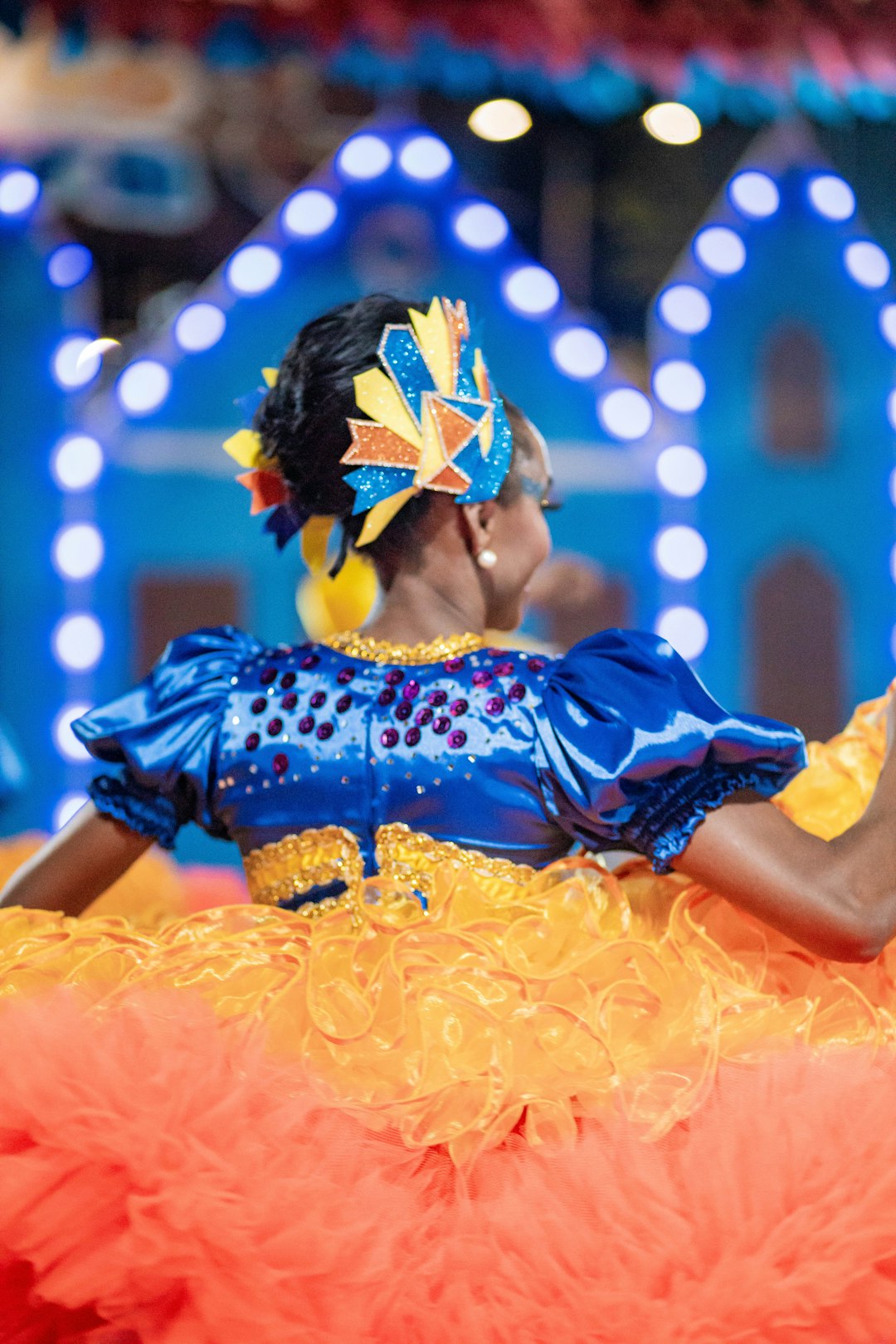
Born in the tablaos and peñas of Andalusia, Flamenco is not merely danced—it is lived. This art form, forged through centuries of Gitano, Moorish, and Spanish cultural exchange, demands your complete presence: the rhythmic precision of your feet, the controlled fire of your arms, and something less tangible—the duende, that mysterious spirit that rises when technique and raw emotion collide.
If you've felt the pull of this ancient art, understand that Flamenco resists shortcuts. The journey from first steps to mastery spans years, often decades. Yet every bailaor and bailaora began exactly where you stand now. This roadmap honors that reality while giving you concrete, culturally grounded steps to begin.
What "Becoming a Flamenco Dancer" Actually Means
Before lacing your zapatos, clarify your destination. "Professional" Flamenco encompasses multiple paths: company dancer, soloist in tablao venues, instructor, or choreographer. Each demands different investments—of time, geography, and resources. Some dancers build sustainable careers; others pursue Flamenco as serious avocation alongside other work. Both choices are valid. What matters is honest self-assessment and commitment to the proceso.
Step 1: Build Your Foundation in Compás and Basic Technique
Flamenco operates within strict rhythmic structures called compás. Most beginners start with alegrías (12-beat cycles in bright 3/4 or 6/8 time) or tangos (4/4, more accessible for Western ears). Before attempting complex choreography, internalize these rhythms through palmas—hand clapping that teaches you to feel, not just count, the beat.
Physical fundamentals to prioritize:
- Footwork (zapateado): Master the planta-tacón sequence—ball strike, heel strike—building from slow clarity to rapid precision. Your zapatos (leather shoes with reinforced heels and nails) are essential tools; expect to invest $150–400 for proper footwear.
- Arm positioning (braceo): Arms held in rounded ellipses, shoulders down, energy extending through fingertips without tension. Flamenco's vertical spine and grounded weight transfer are unforgiving of slouch.
- *Hand movements (floreo): Circular wrist rotations that appear fluid but require specific muscular control.
Seek instruction from teachers with authentic training—preferably those who've studied in Jerez, Seville, or Granada, or who trained directly with Spanish masters. Online classes can supplement but rarely replace live correction of your compás and posture.
Step 2: Develop Technical Precision and Artistry
Once basic vocabulary lives in muscle memory, refine your execution. Flamenco technique is paradoxical: explosive power delivered through absolute control. The same foot that cracks sharply against the floor must land with silent readiness for the next strike.
Structured practice approach:
- Record yourself weekly. Flamenco's aesthetic standards—vertical alignment, hip stability, the precise geometry of braceo—are visible and correctable.
- Study marcaje (marking steps), the transitional vocabulary that connects explosive moments. Beginners often neglect these quieter elements, creating choreography that exhausts rather than breathes.
- Condition your body strategically. Flamenco is notoriously hard on knees, ankles, and lower back. Build calf and core strength; never sacrifice alignment for height in your heels.
Work with teachers who give specific, actionable feedback. "More passion" is useless direction. "Release your shoulder on count 10 so your floreo completes by 12" transforms your dancing.
Step 3: Immerse Yourself in Cante, Toque, and Palos
Flamenco is not danced to music—it is danced with it, in a three-way conversation between voice (cante), guitar (toque), and dance (baile). To move beyond mechanical execution, you must understand this triad.
Hierarchical listening curriculum:
| Level | Palo | Characteristics | Essential Artists |
|---|---|---|---|
| Beginner | Alegrías | Bright, 12-count, Cádiz origin | Estrella Morente (cante), Vicente Amigo (toque) |
| Intermediate | Bulerías | Fast, playful, 12-count with flexible structure | Tomatito (toque), Farruquito (baile) |
| Advanced | Siguiriyas | Deep, tragic, 12-count with distinct accent pattern | Camarón de la Isla (cante), Israel Galván |