You know that moment when you watch a video of yourself dancing and see… nothing technically wrong? Every shimmy lands, every isolation is clean. Yet somehow, the fire isn't there. The hip scarves are retired, the muscle memory is ingrained, but you’ve hit a plateau. This isn’t about learning more steps. It’s about dancing with more of you.
The journey beyond advanced isn’t a straight line of more complex combinations. It’s a dive into the deep end of nuance, where small shifts create seismic impacts. It’s the difference between a dancer who executes and an artist who communicates.
The Magic is in the Micro-Movements
Forget "perfecting the basics." Start interrogating them. Film yourself doing a simple hip drop. Don’t watch for the drop—watch what happens before it. Did your shoulder hitch? Did your breath stop? That telegraphing is the ghost of the intermediate dancer. An advanced dancer initiates from the target muscle alone, making the movement seem to appear from thin air.
Then, master the art of slowing down. We all drill speeding up. But can you make a shimmy decay like the last vibrations of a struck gong, fading to absolute stillness over precisely four counts? Can you stretch an undulation so it breathes across two full musical measures, savoring every inch of the wave? Control the deceleration, and you control the audience’s heartbeat.
Curate, Don’t Just Accumulate
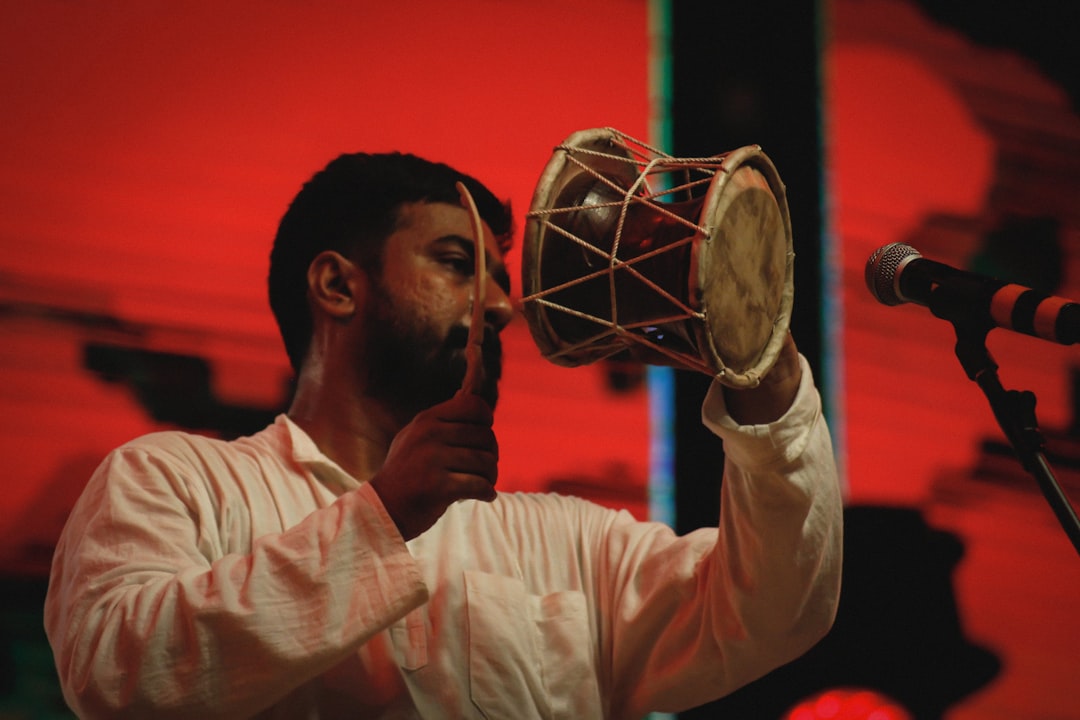
Your style isn’t in a bag of endless moves. It’s in the cage you build for them. Do a five-minute improv to a drum solo and analyze the footage. You’ll find you’re hiding in your comfort zone—relying on the same 10 moves in a sea of hundreds. That’s not a flaw; it’s your artistic fingerprint. Now, decide: do you sharpen those 10 moves until they’re legendary, or do you deliberately, systematically, bring the neglected movements into the light?
Build your "signature phrases"—not as crutches, but as your unique dialect. A combination isn’t yours if another dancer can copy it and get the same response. Your signature lives in the quality: the specific tilt of your head on the third count, the way your fingers curl as an arm circle passes its peak. It’s your artistic DNA.
Dance With Your Ancestors
"Studying the masters" is empty advice without rigor. Pick a lineage—the smoky intimacy of Golden Age Egyptian cinema, the grounded power of Turkish Oryantal, the dynamic fusion of American Cabaret—and go deep. Don’t just watch Soheir Zaki and Fifi Abdo and think "they’re different." Put them side-by-side. Notice how Zaki’s hip work is a contained, vertical conversation with the music, while Abdo eats the floor with horizontal power and arms that paint the air. Transcribe those choices into drills. This is how you stop imitating and start conversing with history.
Practice With a Scalpel, Not a Sledgehammer
Mindless repetition is the enemy of progress. Identify your three weakest technical elements. Maybe it’s that left-side back undulation, or decelerating your shoulder shimmies. Devote a third of your practice time to just those, but with surgical precision. Drill them in slow motion. Drill them with your eyes closed to feel the path. Drill them on the opposite side until the weakness symmetrizes.
Turn improvisation into a lab. Set brutal constraints: "Three minutes, only movements below the waist." "Now, only movements you’ve never done before." Record it. Watch for the dead spots, the autopilot moments. That’s where your creative map has blank spaces.
Your Body is a Pro Athlete’s
This is where general wellness advice fails you. The repetitive, nuanced articulation of advanced belly dance creates specific stresses. Your sacroiliac joint is your new best friend and biggest vulnerability. Pre-hab isn’t optional. Build a routine with single-leg deadlifts for stability and clamshells with bands for isolated glute strength. Find a physio who doesn’t just treat "dancers," but who understands the biomechanics of a deep pelvic circle or a fall to the floor.
Recovery is part of your artistry. Contrast baths for your legs after a long gig, scheduled bodywork with someone who knows dance medicine, and protecting your sleep like it’s the final rehearsal—these aren’t luxuries. They are what allow you to bring your full, capable instrument to the stage, night after night.
The path from polished to profound isn’t about adding more. It’s about stripping away the excess, interrogating the familiar, and having the courage to dance from your deepest technical and emotional core. It’s when the movement starts from a place so internal, the audience feels they’re witnessing something not performed, but revealed.