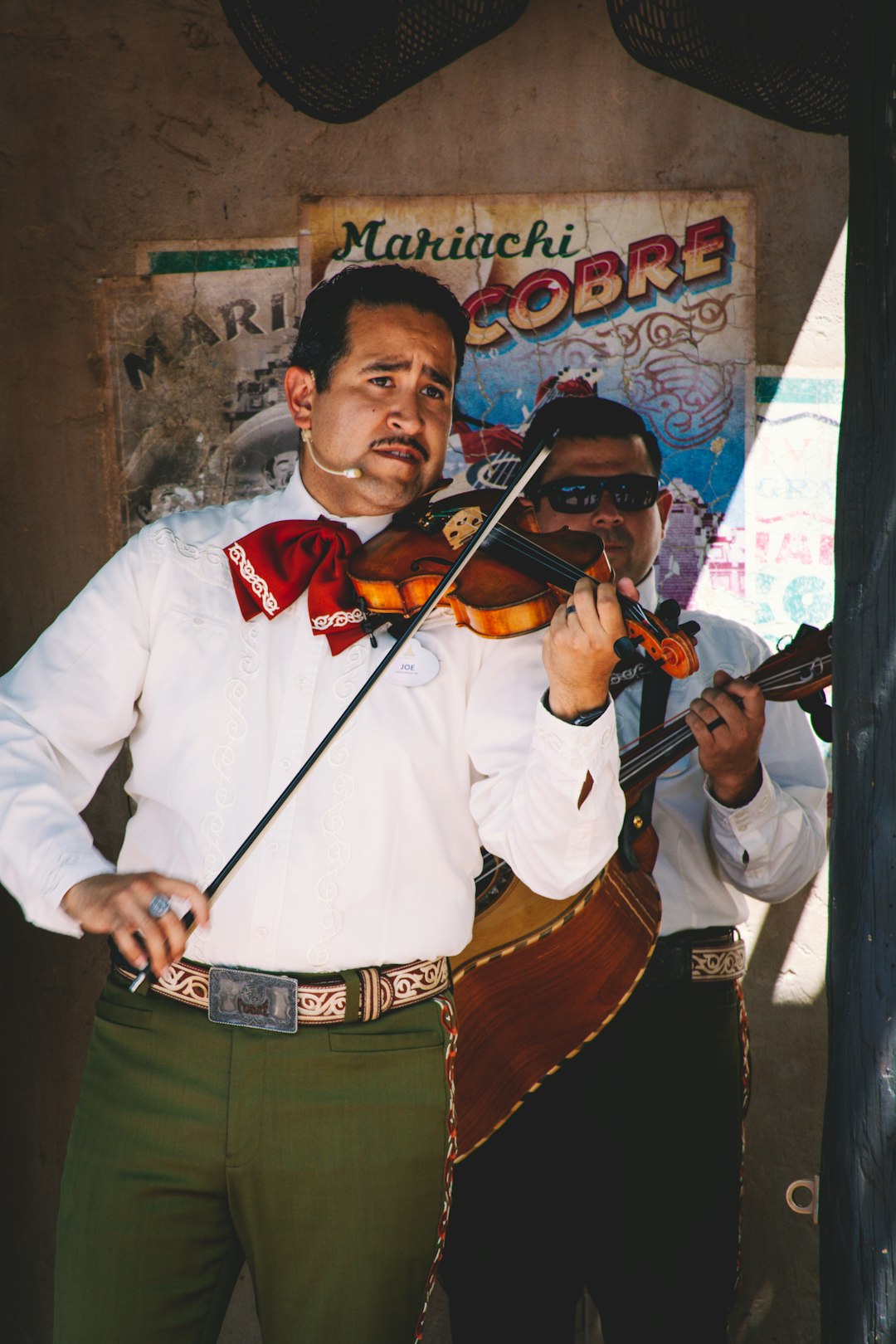
For the dancer, a folk costume is more than fabric—it is a moving archive of identity. Whether you're a troupe director sourcing Bulgarian opanci or a soloist reconstructing an 18th-century English morris kit, the difference between a costume that merely looks right and one that moves right comes down to research, materials, and cultural accountability. This guide is written for performers and costumers who want their wardrobes to honor tradition without sacrificing the physical demands of the stage.
Reading the Costume as Cultural Text
Every stitch in a folk dance garment carries information. A Ukrainian vyshyvanka features specific regional stitch patterns—geometric motifs in Poltava, floral designs in Hutsul tradition—that identify the dancer's origin within a single country. The heavy wool pollera of Bolivian cueca dancers is designed to flare dramatically during partnered turns, making fabric weight a choreographic choice, not merely an aesthetic one.
This level of detail matters because folk costumes function as visual language. When an audience sees a Norwegian bunad with its distinctive sølje silver brooches, they recognize Hardanger or Telemark heritage. When a Romanian dancer wears a maramureș costume with vertically striped poale skirts rather than the horizontal layers of muntenia, she signals regional identity precisely. Your first task as a costumer is to learn what these garments are already saying.
Core Elements: Where Tradition Meets the Body
Color and Pattern with Purpose
Avoid vague gestures toward "vibrant colors" or "intricate embroidery." Instead, ask: What does this specific dance community use, and why?
Hungarian matyó embroidery from Mezőkövesd relies on a distinctive palette of red, blue, yellow, and green, traditionally applied to black fabric, with each color carrying protective symbolism. The indigo resist-dyed cotton of Japanese yukata worn in bon odori was originally practical—indigo repelled insects and hid sweat stains—but has become inseparable from summer festival aesthetics. Research the chemical and cultural history of your dyes and motifs. Document your sources.
Materials That Work as Hard as the Dancer
Traditional materials earned their place through durability and movement response, but modern performance contexts sometimes demand adaptation.
- Silk drapes beautifully for Chinese ribbon dances or Persian radif performances but can be brutally unforgiving under stage lights. Consider silk blends with moisture-wicking properties.
- Wool remains unbeatable for structure and weight in Scandinavian, Balkan, and Andean costumes. Felted wool opanci soles provide acoustic feedback for footwork-heavy dances.
- Cotton and linen breathe well for outdoor festival performances but may require interlining or starching to hold shape under stage lighting.
Test your fabrics under performance conditions. A material that looks stunning in natural light can read as flat or reflective under LEDs. Drape it, sweat in it, spin in it before committing.
Accessories as Functional Architecture
The best accessories solve problems while completing the visual statement. A Scottish Highland dancer's plaid must be pinned so securely that it survives vertical jumps and rapid directional changes. The coin belts of Egyptian raqs sharqi accentuate hip articulation while producing rhythmic sound. Moroccan shikhat dancers wear heavy silver jewelry that both displays family wealth and anchors the body during torso isolations.
When sourcing accessories, prioritize safety and movement function. Dangling earrings can catch in hair during partnered turns. Unsecured headpieces become projectiles. Weighted hems prevent skirt inversion. Every piece should earn its place through utility as well as beauty.
Wearing Tradition with Respect
In 2024, no discussion of folk costume can ignore questions of cultural ownership and accountable practice. If you are working within your own heritage, your relationship to the material is genealogical. If you are stepping across cultural lines, your responsibility increases proportionally.
Here are concrete guidelines:
- Consult cultural bearers. Before building a costume from a living tradition outside your own, seek guidance from native dancers, elders, or cultural organizations. Pay them for their expertise.
- Distinguish sacred from secular. Some garments—certain Indigenous regalia, ritual masks, religious vestments—were never intended for stage performance. Do not appropriate sacred attire as "folk costume."
- Reject pan-cultural mashups. Combining a Chinese cheongsam bodice with a "gypsy" skirt and "tribal" jewelry does not create world culture; it erases specific identities. Research one tradition deeply rather than borrowing superficially from many.
- Source from artisans within the tradition. When possible, purchase embroidery, weaving, or finished pieces from makers in the source community. This supports intergenerational craft transmission and reduces the