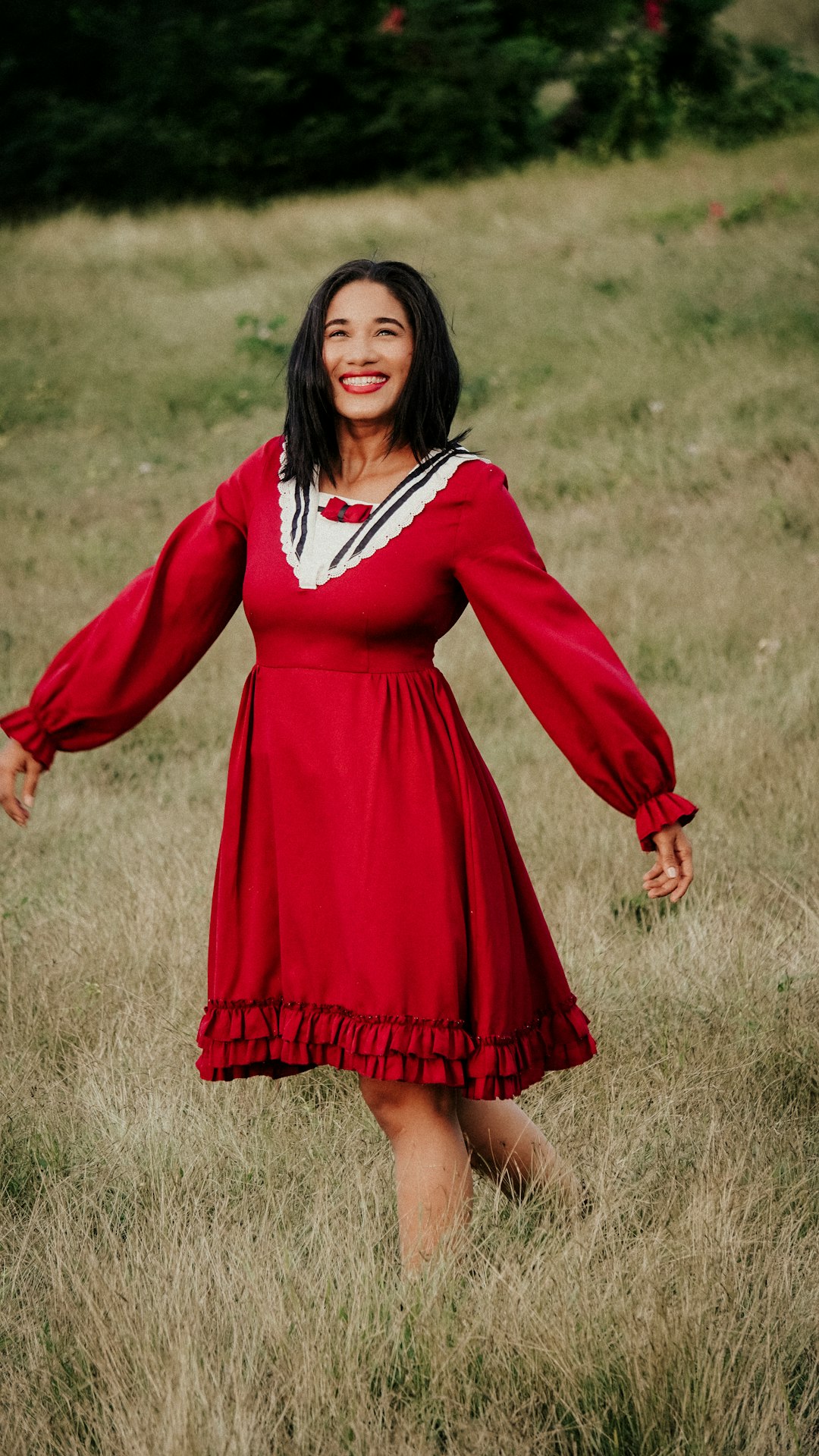
It begins with a sequence, a pattern, a rule. But somewhere between the count and the connection, a transformation awaits. This is the search for the music within the movement.
The Silent Geometry of the Beginning
We all start here. The mind is a frantic cartographer, mapping the body's journey: "Cross. Side. Back. Ocho. Resolve." The floor is a grid, the partner a puzzle. The music is a mere metronome, a timekeeper for our frantic internal calculations. This stage is necessary, even sacred. It is the foundation, the vocabulary without which no poetry can be written.
But linger here too long, and the dance becomes a silent film. You see the steps, but you feel no swell of the bandoneón, no sigh of the strings, no pause in the singer's breath that begs for a matching suspension in your soul.
The First Crack: Listening Beyond the Beat
Musicality begins not in the feet, but in the ears. It starts when you stop counting "one-two-three" and start hearing the conversation. The crisp punctuation of the piano's marcato. The melancholic glide of the violin's legato. The playful, skipping rhythm of the bandoneón's ritmico.
The Shift: Instead of asking "what step goes here?", you begin to ask "what does this sound feel like?" Does it feel like a sharp turn, a slow caress, a hopeful lift, or a heavy surrender? Your body starts to become an instrument, not just a vehicle.
This is the crack in the geometry. Light—musical light—floods in. A sudden, unexpected síncopa (syncopation) isn't a problem to avoid; it's an invitation to play. The long, held note isn't dead space to fill with frantic footwork; it's a canvas for profound connection, a breath shared with your partner and the orchestra.
From Imitation to Interpretation
We learn by mimicking. We watch the masters and see how they match a double-time step to a quick phrase, or a slow, dragging sweep to a lament. This is crucial. But the true birth of your musicality comes when you move from imitation to interpretation.
Your body, your history, your emotion in this moment will hear the same piece of Pugliese differently than anyone else. The same rising violin line might inspire a sweeping volcada in one dancer, and a tiny, intense chest vibration in another. Both are "correct." Both are true.
Practical Pathways:
- Dance in the Dark: Practice alone, eyes closed, to one song. Don't step. Just sway, rock, pulse. Let the music move your axis before it moves your feet.
- Orchestral Autopsy: Listen to a tango song 10 times. Follow just the bass line. Then just the violin. Then the vocals. Hear how they argue, agree, and embrace.
- The One-Step Tanda: Dance a whole tanda (set) using only the simplest walk. Pour all your musical expression into the quality, timing, and emotion of that walk.
The Soul in the Sound
When steps dissolve into soul, something magical happens. You are no longer dancing to "La Cumparsita." You are dancing "La Cumparsita." The melancholy, the defiance, the nostalgia—it passes through the musician, through the air, into your body, and out through your connection, completing the circuit.
Your partner no longer follows or leads just steps; they follow and lead your hearing. A shared understanding of the music becomes the primary, silent language of your embrace. The tanda becomes a three-way conversation: you, your partner, and the ghosts of the orchestra.
This is the destination, though the journey never ends. The geometry of steps becomes the fluid architecture of emotion. The sequence becomes the story. You have found your musicality. You are no longer just a dancer. You are the music, made flesh.










