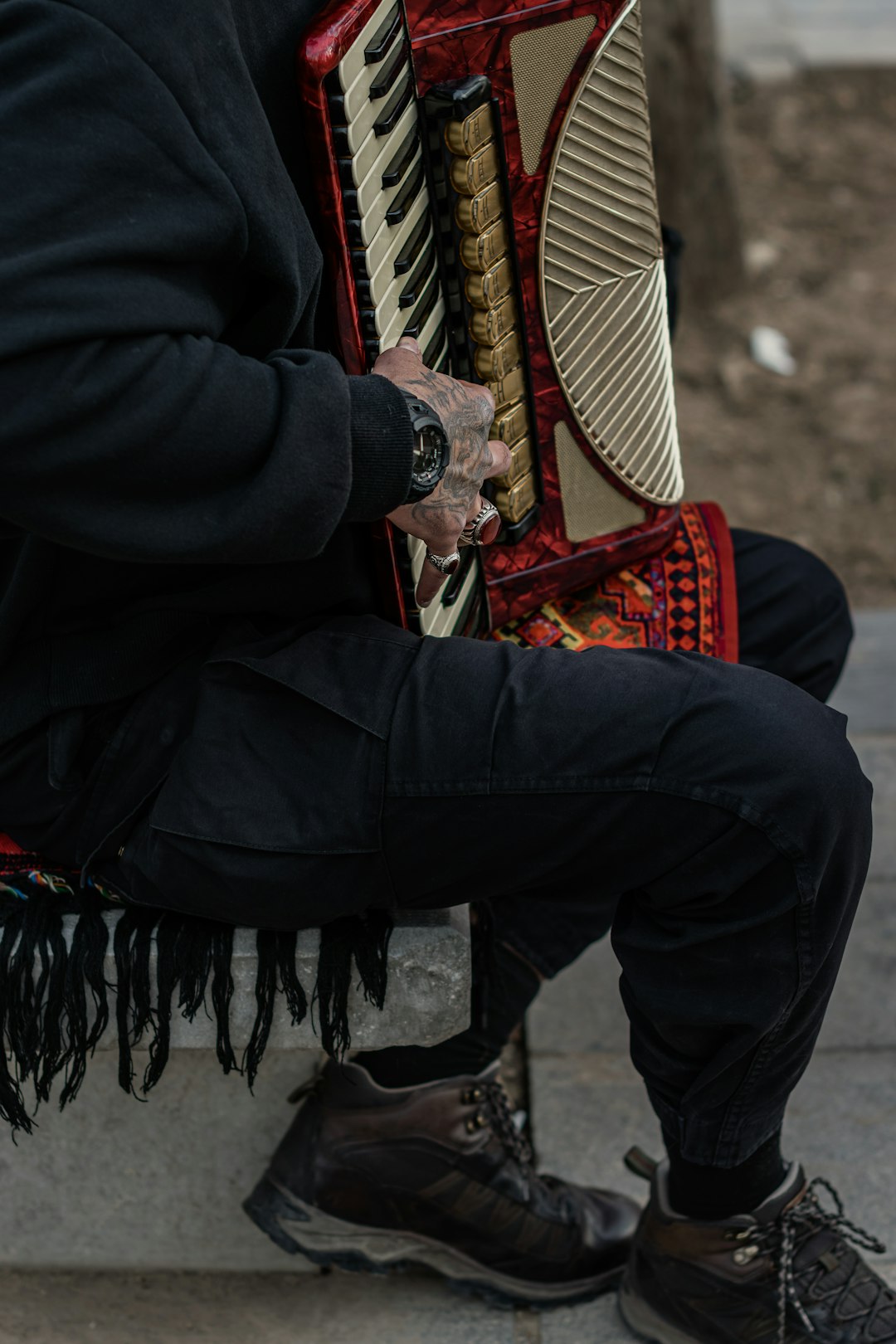
When technique becomes second nature, the real dance begins. This is the frontier where movement transforms into meaning, and connection writes the narrative.
You know the sequences. You’ve drilled the sacadas, mastered the volcadas, your ganchos are sharp, and your posture is impeccable. Yet, in the quiet moment just before the first note of a tanda, a familiar question whispers: “What will I dance?” Not which steps, but what story? What feeling? This is the leap from advanced technician to true tango artist.
Advanced tango is not a catalog of harder moves. It’s a shift in priority—from execution to expression, from leading and following patterns to co-authoring an emotional experience in real-time. The floor is your page, the embrace your pen.
The Illusion of the Plan
The greatest paradox of advanced dancing is that to be truly free, you must abandon the plan. Planning is the enemy of connection. When your mental CPU is busy retrieving the next "advanced" sequence from its database, it’s offline to your partner’s breath, the micro-yield in their axis, the emotional texture of the music.
Crafting the Emotional Palette
Every tanda has a mood. A Di Sarli romance is not a Pugliese drama. A D’Arienzo playfulness is not a Troilo melancholy. Your first task as an artist is to listen. Not just to the rhythm, but to the sigh of the bandoneón, the ache in the violin, the pause between phrases.
- Color Your Embrace: Is it tender and surrounding, or firm and direct? The quality of the frame sets the entire emotional stage.
- Dance the Silence: The most powerful moments are often in the stillness—a sustained pause on a resolution, a slow, weighted walk during a lyrical passage. This is where feeling pools.
- Match Energy, Not Just Steps: If the music swells with passion, let your energy expand to fill it, not necessarily with a big move, but with intention and fullness in every tiny rotation.
The Narrative Arc of a Tanda
A story has a beginning, middle, and end. So should your dance.
- The Introduction (First Track): Establish the connection. Explore the partnership. Keep it conversational, respectful. Find your shared axis and breath. This is the "meet-cute."
- The Development (Middle Tracks): Deepen the conversation. Introduce complexity, play with dynamics, build trust. This is where you explore themes—playfulness, longing, conflict, harmony. Use the space, use the music’s builds and releases.
- The Resolution (Final Track): Bring it home. The energy often consolidates. There’s a sense of return, of completion. A gentle coda, a final, heartfelt embrace that echoes the journey you just shared. Leave a feeling, not just a final pose.
Improvisation as Deep Listening
True improvisation is a three-way conversation: you, your partner, the music. It requires surrendering the ego’s desire to "show" and embracing the artist’s need to "express."
For Leaders: Your role is not to dictate, but to propose. Offer clear, musical ideas, then listen to how your follower colors them. Feel their interpretation in your hands, and let that response inspire your next proposal. Follow the follower.
For Followers: Your role is not to guess, but to interpret and adorn. You are the melody to the leader’s harmony. Your nuanced response, your timing, your own musicality within the structure given, is what brings the story to life. You hold the emotional brush.
Beyond the Feet: The Grammar of Emotion
Emotion is communicated in the how, not the what.
- Speed & Sustain: A slow, melting descent speaks of longing. A quick, sharp rebound speaks of joy or surprise.
- Texture of Movement: Is it liquid and smooth, or staccato and punctuated? Match it to the instrument leading the phrase.
- The Shared Axis: The intimacy of two people sharing one vertical line is a profound statement of trust. Use it as a narrative climax.
- The Gaze (& The Lack Thereof): A connected glance can be a powerful chapter. A look away, a moment of internal feeling shared, can be even more powerful.
This is the work that never ends. There is no final, perfect dance. There is only the next embrace, the next song, the next opportunity to step beyond the known and into the felt. To move from being a dancer of Tango to a storyteller in its language.
So tonight, as you walk onto the floor, leave your catalogue of steps at the edge of the ronda. Bring only your technique as your silent ally, your heart as your guide, and a commitment to listen. Then, begin not with a step, but with a question, posed to your partner through your embrace: "What shall we feel together?"











in nohomish countyNudde wee girlsAngels nde ccamel toeGaay bezr aggressiveSelena gomez eroticWife cum tgpCounselor teen minnesota