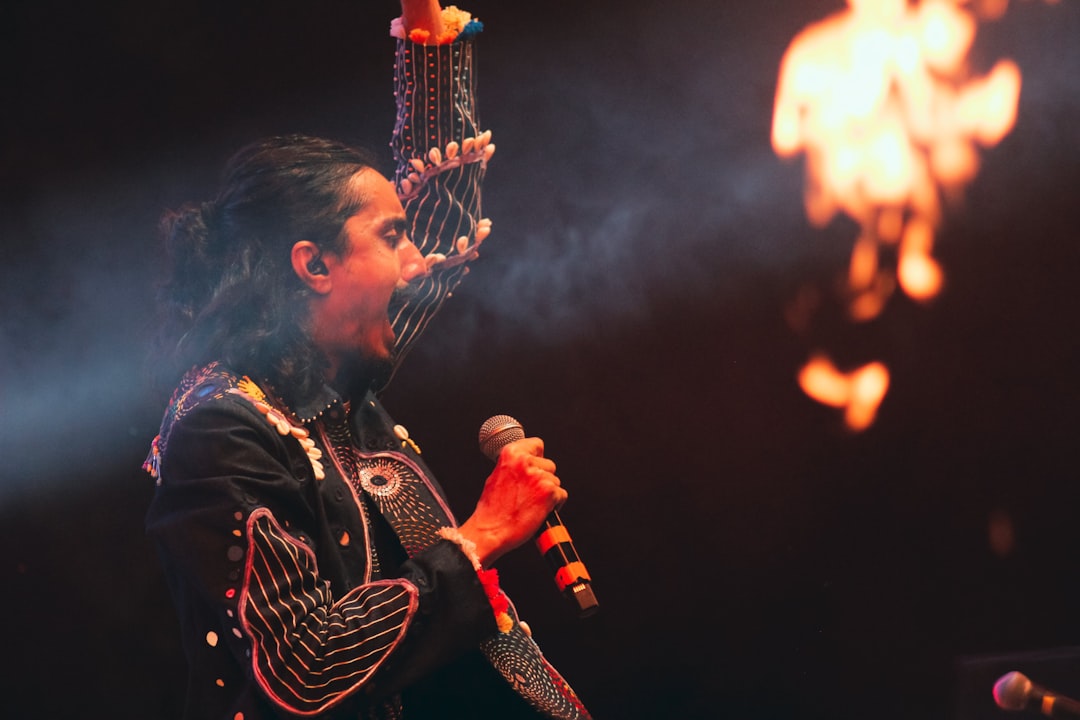
The Moment You Realize This Could Be More Than a Hobby
There's a point in every Capoeirista's life when the roda stops being just weekend fun. Maybe it hit you after a particularly electric game—one where the berimbau seemed to pull strings inside your chest, and your body moved before your brain caught up. Or maybe a kid at a workshop looked at you with those wide eyes and asked, "Can you teach me?"
That's the moment. And if you're reading this, you've probably already had it.
Get Your Foundations Rock-Solid
Look, nobody's launching a career off flashy floreios alone. The professionals who last? They're boringly good at the basics.
Your ginga needs to feel like breathing—not something you think about, just something you do. Your meia-lua should have that satisfying whoosh. Your au batido? Controlled enough to stop on a dime.
But here's what separates hobbyists from pros: musicality. The berimbau isn't background noise—it's the conductor. The pandeiro isn't just percussion—it's the heartbeat. When you learn to play these instruments, your entire game shifts. You stop performing moves at the roda and start having a conversation with it.
Find a mestre who pushes you. Not someone who lets you coast through class feeling good about yourself. The one who makes you hold a negativa until your thighs scream, who corrects your kick for the twentieth time. That discomfort? That's where the real learning lives.
Understand What You're Actually Carrying
Capoeira didn't appear in a vacuum. It was born from enslaved Africans in Brazil who disguised combat as dance, who encoded resistance into rhythm. Every song tells a story. Every movement carries weight.
Pick up some Portuguese—not fluent, enough. Enough to understand what you're singing in the roda, enough to catch the double meanings in corridos. Read about Zumbi dos Palmares, about the quilombos, about how Capoeira was literally illegal in Brazil until the 1930s.
This isn't trivia for impressing people at parties. It's the difference between someone who does Capoeira and someone who understands it. Audiences, students, and fellow practitioners can feel that depth. It shows up in how you move, how you teach, how you hold yourself in the roda.
Your Network Is Your Net Worth (Yeah, I Said It)
Every teaching gig I've seen come through, every festival invitation, every collaboration—they didn't come from job boards. They came from someone who knew someone who remembered that one game you played at that batizado three years ago.
Show up to events. Not just the big international ones—your regional workshops, your local academy's anniversary celebrations. Be genuinely interested in other people's games. Ask questions. Offer to help with setup. Be the person people want to have around.
Social media helps too, but don't just post highlight reels of your best kicks. Share the messy practice sessions, the failed sequences, the sweaty exhaustion. People connect with authenticity, not curated perfection.
Find Your Voice
Here's where it gets personal. You can execute every technique perfectly and still be forgettable. What makes someone magnetic in the roda?
Some Capoeiristas are known for their fluidity—they move like water, impossible to predict. Others are tricksters, full of malandragem and playful deception. Some are powerhouses, and some are storytellers who turn every game into theater.
Experiment. Steal shamelessly from people you admire, then let those influences mash together into something that's yours. Maybe you blend contemporary dance into your sequences. Maybe you develop a teaching approach that uses storytelling instead of drill-and-repeat. Maybe your music style fuses traditional berimbau rhythms with something unexpected.
Whatever it is, lean into it hard.
Start Getting Paid (Yes, It's Possible)
You don't need a certification from some governing body to start teaching beginners. Find a community center, a gym, a school that'll give you space. Start small—a six-week intro course, a weekend workshop at a local festival.
Performance work takes a different kind of hustle. Reach out to cultural festivals, corporate event planners, Brazilian restaurants during special occasions. Put together a tight 10-minute showcase that tells a story through movement and music. Video everything.
Competitions exist too, though they're divisive in the community. Whether you love them or hate them, they're a legitimate way to get noticed and benchmark yourself against practitioners you'd never otherwise meet.
The Part Nobody Talks About
You'll plateau. Hard. There will be months where your game feels stale, where younger practitioners seem to improve overnight while you're stuck. Your body will betray you—knees that ache, shoulders that protest, that one ankle that never quite healed right.
The ones who make it through aren't the most talented. They're the ones who show up anyway. Who train through the plateaus. Who adapt their game when their body demands it. Who find new inspiration in unexpected places—a street performance, a conversation with a mestre from a different lineage, a song they'd never heard before.
Capoeira has survived centuries of persecution, cultural erasure, and institutional neglect. A little career uncertainty? You can handle that.
The roda is waiting. Get in there.