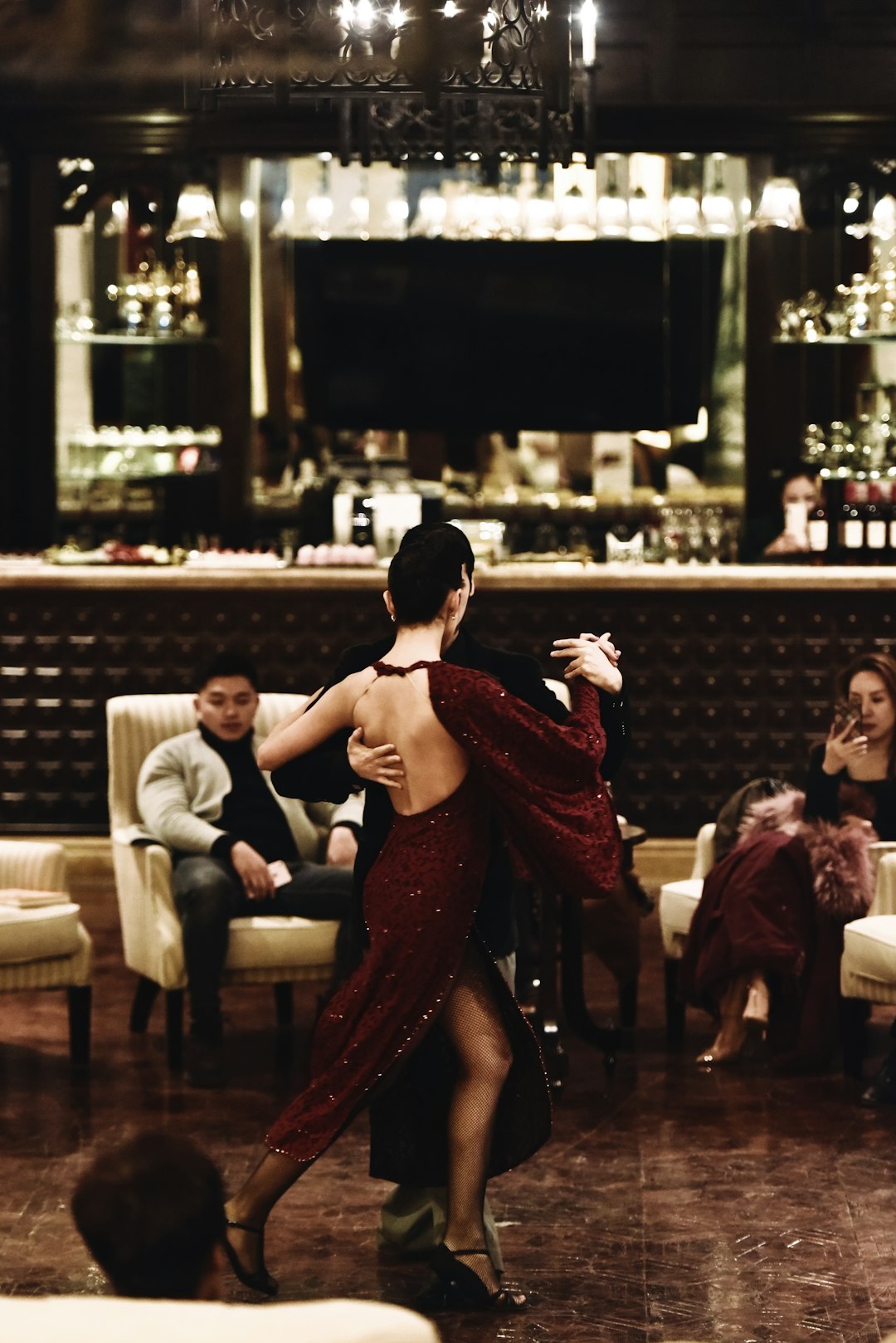
The lights dim. The orchestra swells. And across the polished floor, couples glide like living sculpture—tailsuits catching the light, gowns trailing stardust. Ballroom dance has captivated audiences for six centuries, yet for newcomers, the gap between watching that magic and becoming it can feel impossibly wide.
This guide closes that gap. Whether you're drawn by the physical challenge, the social connection, or simply the excuse to wear spectacular shoes, here's everything you need to step onto the floor with confidence—and style.
Why Ballroom Still Matters
Ballroom dancing emerged from 15th-century European royal courts as a structured alternative to folk dancing. Today, it encompasses two competitive tracks: American Style (divided into Smooth and Rhythm) and International Style (Standard and Latin). Both reward athletic precision, artistic interpretation, and the subtle chemistry between partners.
The benefits extend far beyond the floor. A 2023 study in Frontiers in Psychology found that partner dancing outperformed solo exercise for reducing social anxiety and building cognitive flexibility. The constant split-second decision-making—reading your partner's weight shifts, adjusting to floor traffic, interpreting musical phrasing—creates what dancers call "moving meditation."
Building Your Foundation: Gear That Performs
The Shoe Question
Your footwear determines everything. Street shoes grip too aggressively; socks slide dangerously. Proper ballroom shoes feature suede soles that provide controlled glide with precise stopping power.
For leaders: Standard/smooth shoes resemble dress oxfords with 1-inch heels. Latin shoes feature higher 1.5-2 inch heels that shift weight forward onto the balls of the feet, enabling sharper hip action.
For followers: Closed-toe pumps with 2-2.5 inch flared heels suit Standard dances. Open-toe strappy sandals with slimmer heels work for Latin/rhythm styles. Avoid stilettos—they sink into floor seams and compromise stability.
The Art of the Shine
Patent leather demands different care than calfskin. Here's the maintenance routine that separates polished professionals from beginners:
| Material | Weekly Care | Competition Prep |
|---|---|---|
| Patent leather | Damp microfiber wipe; store with tissue between pairs to prevent sticking | Petroleum jelly buff for mirror finish |
| Calfskin/leather | Saddle soap cleaning; conditioner every 10 wears | Wax polish, horsehair brush, final buff with nylon stocking |
| Suede soles | Wire brush to lift nap; avoid moisture entirely | Fresh sanding for optimal glide |
Replace heel tips before they wear to the metal core—damaged floors mean banned dancers.
Dressing the Part
Practice wear should stretch, breathe, and survive sweat. Women: leotards with dance skirts or fitted pants that show leg lines. Men: fitted moisture-wicking shirts that won't billow during turns. Avoid loose jewelry—it catches in partner's clothing and leaves scratches.
Performance attire follows strict conventions. In International Standard, women wear full-length gowns with floats (the flowing fabric panels that extend from the back), while men wear tail suits with white bow ties and waistcoats. American Smooth allows more variation: women might wear shorter skirts for freedom in open-frame movements, men may opt for Latin shirts in Rhythm categories.
The unspoken rule? Your clothing should extend your movement, not restrict it. Test every outfit with full arm raises, quick direction changes, and partnered turns before committing to competition.
Finding Your Instruction
Quality teaching accelerates progress exponentially. Evaluate studios on three criteria:
Curriculum structure: Do they separate absolute beginners from experienced dancers? Do they teach both steps and technique (posture, frame, musicality), or just patterns?
Social infrastructure: Regular practice parties let you test skills in low-pressure environments. Competitive tracks should offer pro-am opportunities (dancing with your instructor) before you find a committed amateur partner.
Community culture: Watch a group class before enrolling. Are students encouraged or intimidated? Do instructors correct gently and specifically?
Expect to invest $15-25 per group class, $75-150 for private lessons. Most beginners need 6-12 months of weekly instruction before feeling competent at social dances.
The Dances: What Actually Happens
Waltz (International Standard / American Smooth)
The only dance in 3/4 time at this tempo, the waltz creates its famous "rise and fall" through controlled foot pressure. Beginners master the box step: a six-count pattern tracing a square—forward-side-together, back-side-together. Leaders initiate from the left foot; followers mirror.
The frame—your connected upper body position—matters more than footwork. Partners maintain body contact through the right side, creating a shared axis that enables the characteristic floating quality.
Tango (International Standard / American Smooth)
Forget the rose-in-mouth cliché