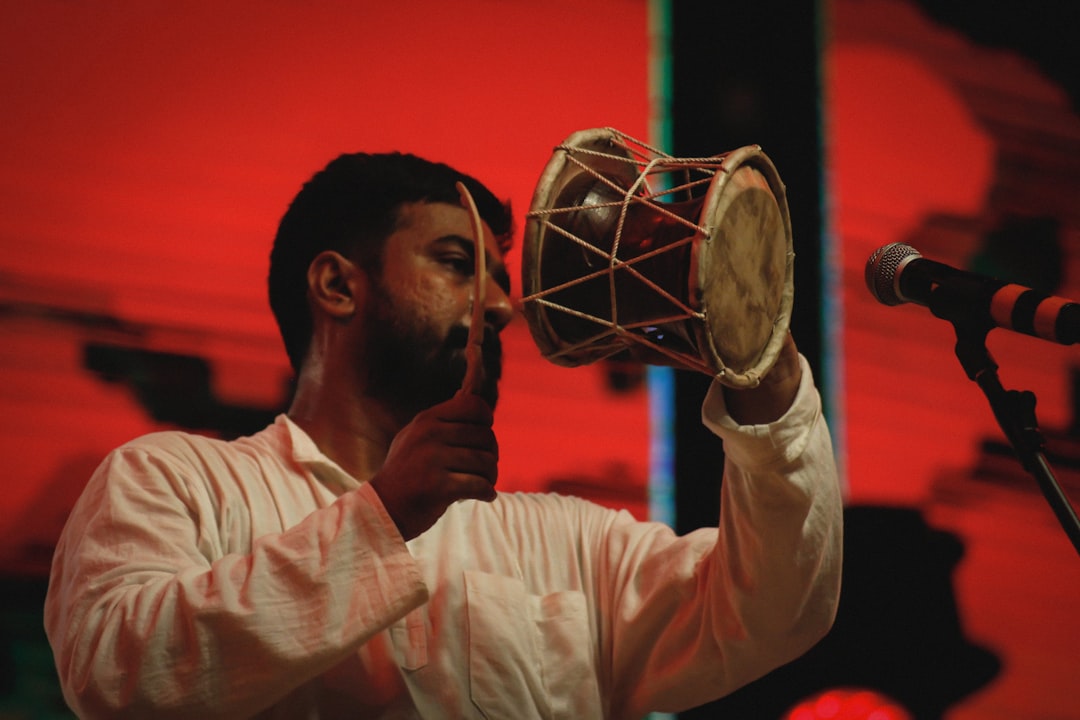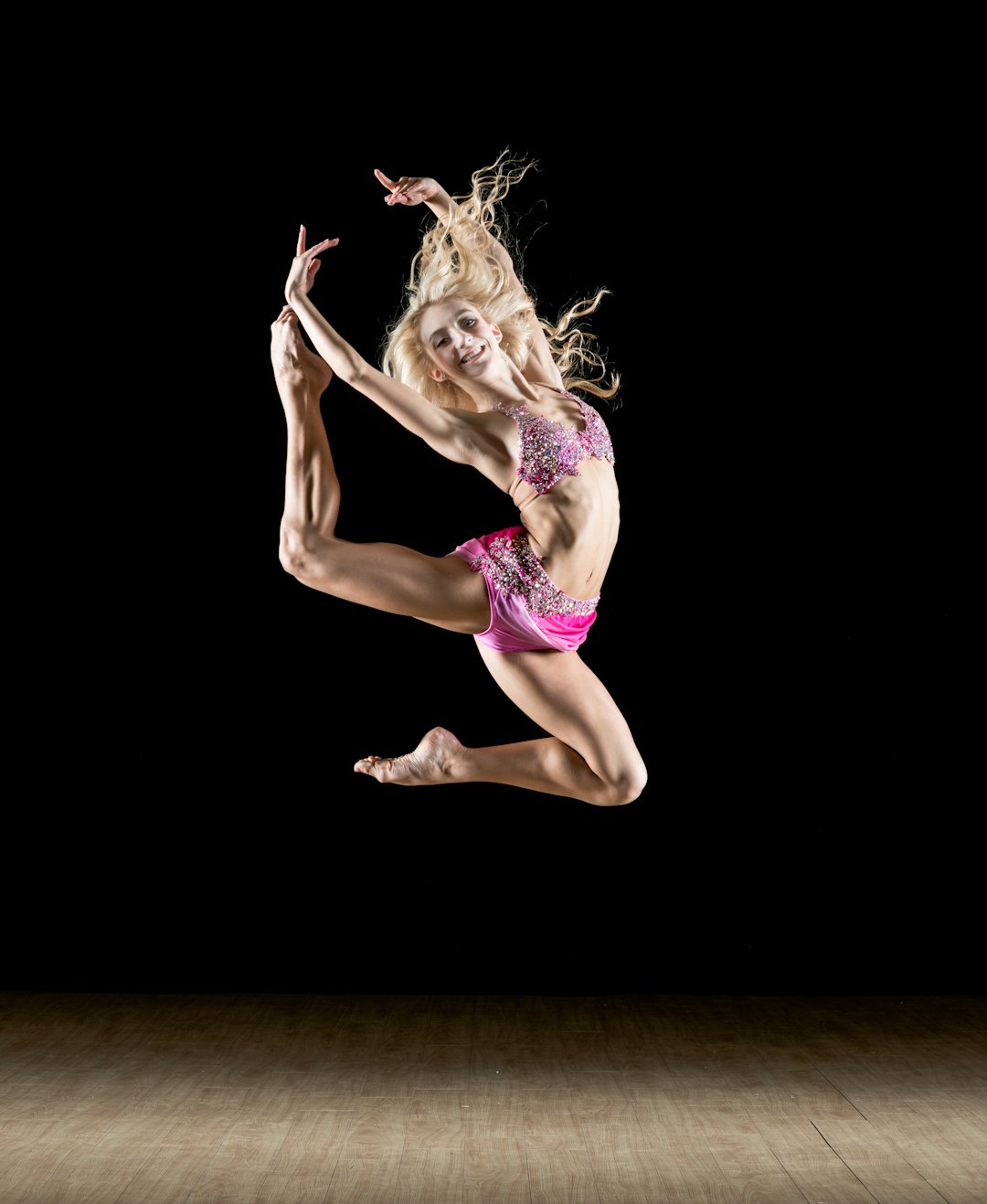
At 6:47 PM, Sarah Chen is hip-locked in her living room, shoulders rolling to a driving Saidi rhythm. Twenty minutes ago, she was answering work emails, shoulders hunched, jaw tight. Now her stress cortisol is dropping, her breath has deepened, and she hasn't thought about her inbox once.
This isn't willpower. It's neuroscience.
Why Your Brain Craves the Shimmy
The connection between dance and mood isn't news. But belly dance operates through distinct mechanisms that separate it from generic exercise—and understanding why it works makes the practice more powerful.
The Dopamine-Movement Loop
A 2013 study in Neuroscience & Biobehavioral Reviews found that synchronized movement to music increases beta-endorphin levels 22% higher than exercise alone. But here's what makes belly dance unique: the isolated torso movements—chest lifts, abdominal rolls, pelvic circles—require proprioceptive awareness that activates the insular cortex, the brain region linked to emotional regulation and interoception.
In plain terms? You're not just burning calories. You're rewiring your stress response.
The Rhythmic Reset
The 4/4 maqsoum rhythm, foundational to Egyptian dance, demands micro-adjustments between weighted and unweighted hip drops. This creates what experienced dancers call "moving meditation"—a state where rumination becomes physiologically impossible. Your brain cannot simultaneously calculate the precise muscular engagement for a controlled shimmy and spiral through anxious thoughts.
Other rhythms produce distinct effects:
- Saidi (Egyptian folk): Grounding, earthy, stabilizing
- Turkish Roman: Playful, improvisational, releasing
- Malfouf: Urgent, energizing, focus-sharpening
The Confidence Mechanism
Unlike performance dance forms judged on precision, belly dance originated as social celebration. The "improvisational vocabulary"—learning to respond to musical cues in real time—builds what psychologists term "situational self-efficacy." You develop trust in your ability to adapt, to be present, to choose your next movement without paralysis.
This translates. The woman who can improvise a drum solo develops neural pathways for creative problem-solving under pressure.
Three Science-Backed Benefits
1. Endorphins and Serotonin, Optimally Timed
Dancing releases endorphins—natural painkillers that promote happiness. But belly dance's sustained, moderate intensity (typically 3-5 METs) specifically stimulates serotonin production without the cortisol spike of high-intensity interval training. The result: mood elevation without the crash.
2. Vagal Tone Enhancement
The deep diaphragmatic breathing central to belly dance technique stimulates the vagus nerve, activating your parasympathetic "rest and digest" system. A 2018 study in Frontiers in Psychology linked improved vagal tone to reduced inflammation, better emotional regulation, and enhanced resilience to stress.
3. Embodied Emotional Processing
The hips and pelvis—culturally loaded with shame and tension in many Western contexts—become instruments of expression. This isn't metaphor. Research on somatic experiencing suggests that releasing physical holding patterns can discharge stored trauma responses without requiring verbal processing.
Your 10-Minute Reset Protocol
Minute 0-2: Arrival Put on music that matches your target state, not your current one. Need energy? Turkish pop. Need grounding? Egyptian classical. Stand with feet hip-width, eyes closed, hands on low belly. Breathe until you feel your weight settle.
Minute 2-6: The Shimmy Sequence Start with small hip shimmies—rapid, alternating contractions of the gluteus medius. Let the vibration travel up your spine. Add shoulder isolations. The goal isn't aesthetic; it's somatic. Notice where tension lives. Breathe into it.
Minute 6-9: Improvisation Close your eyes. Let the music tell your body what to do next. No mirrors. No judgment. This is where the insular cortex activation peaks—where you learn to trust internal signals over external validation.
Minute 9-10: Integration Slow to stillness. Hand on heart, hand on belly. Notice: What shifted?
Curated Starting Points
Replace generic "find your favorite music" with intentional selection:
| Goal | Rhythm/Style | Search Term |
|---|---|---|
| Grounding energy | Saidi, Egyptian folk | "Beats Antique Saidi" |
| Playful release | Turkish Roman | "Oriental Garden Turkish" |
| Focus and flow | Classical Egyptian | "Mohamed Abdel Wahab orchestra" |
| Energizing boost | Modern shaabi | "Hassan Shakosh up-t |