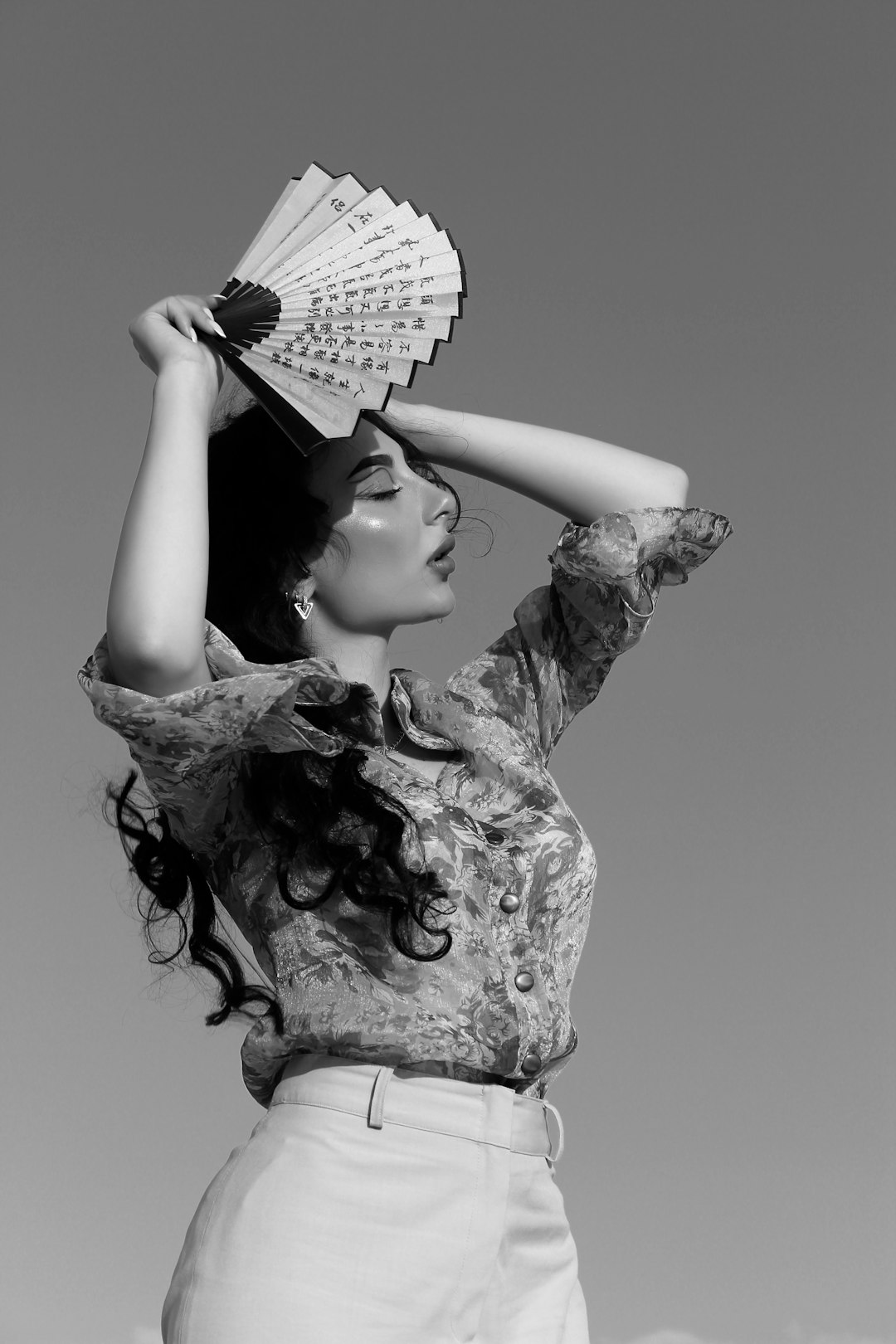
Jazz dance pulses with the syncopated energy of its African American roots—sharp isolations, earthbound pliés, and the irresistible drive of swing rhythm. Born from the cultural ferment of early 20th-century America, this dynamic form evolved from African social dances brought by enslaved people, blended with European partner dances, and flourished in the Harlem Renaissance's ballrooms. By the 1950s, choreographers like Jack Cole and Katherine Dunham were codifying theatrical jazz technique, while Bob Fosse's distinctive style would redefine Broadway dance forever.
Today, jazz dance encompasses two distinct branches: vernacular jazz (social forms like the Lindy Hop, Charleston, and West Coast Swing) and theatrical jazz (concert and stage performance). This guide focuses on building your foundation in theatrical jazz technique—the style you'll encounter in most studios and on Broadway stages.
Building Your Foundation: Essential Technique
Before you can command the stage, you need to speak the language of jazz in your body. Here's where to begin:
Master the Positions
Jazz adapts ballet's turned-out positions while embracing parallel stances that reflect its modern influences:
- Jazz first: Heels together, toes turned out (ballet first) or parallel with feet directly under hips
- Jazz second: Feet wide, either turned out or parallel—jazz often favors parallel for its grounded, contemporary feel
- Fourth position: One foot forward, weight distributed for lunges and transitions
- Lunge: Deep, grounded stance essential for jazz's characteristic level changes
Learn Core Vocabulary
Replace generic "basic steps" with authentic jazz technique:
| Essential Skills | Description |
|---|---|
| Isolations | Moving individual body parts (head, shoulders, ribs, hips) while holding others still—the heartbeat of jazz style |
| Contraction | Martha Graham's influence; rounding the spine, drawing navel toward spine |
| Flat back | Torso hinged forward, spine lengthened and parallel to floor |
| Jazz walk | Low, stalking walks with turned-out legs or sassy parallel struts |
| Pirouette | Turns with jazz preparation (often from fourth position with parallel option) |
| Pencil turn | Rapid rotations with legs squeezed together, spotting essential |
| Chassé | "Chasing" step—galloping movement that travels |
| Jazz square | Four-step box pattern: cross, back, side, front |
Note: The grapevine, while common in social dance and aerobics classes, is not core jazz vocabulary. Focus your energy on the elements above.
Expanding Your Artistry: Partnered and Theatrical Styles
Once fundamentals live in your muscle memory, explore jazz's theatrical dimensions. Many dancers encounter partnered jazz or Broadway jazz—styles that incorporate connection work without confusing it with formal ballroom dance.
Partnered Jazz Fundamentals
Authentic jazz partnering differs from ballroom's rigid frame:
- Connection principles: Learn to communicate through hand contact, body weight, and visual focus—not through ballroom's closed-position hold
- Shared weight: Practice counterbalance exercises where you and your partner lean away from each other, connected only by hand contact
- Social dance roots: Explore Lindy Hop's swingout or West Coast Swing's sugar push to understand how jazz partnering actually functions
Theatrical Performance Skills
Stage jazz demands more than technical execution:
- Character embodiment: Every Fosse routine tells a story through stylized gesture—practice dancing as someone with distinct attitude
- Musicality beyond counting: Jazz lives in the spaces between beats. Train your ear to hear syncopation, breaks, and instrumental riffs
- Use of eyes and focus: Sharp head snaps, deliberate gaze direction, and theatrical presentation separate jazz from other techniques
The Journey to Mastery
Becoming a skilled jazz dancer requires patience, intelligent practice, and immersion in the form's cultural history.
Find the Right Training
Seek teachers who emphasize both technique and feeling. Class labels matter:
- "Theatrical" or "Broadway" jazz: Stage-oriented, story-driven, often Fosse-influenced
- "Vernacular" jazz: Social dance roots, improvisation, historical forms
- "Contemporary jazz": Fusion styles blending hip-hop, modern, and traditional jazz
Practice With Purpose
| At Home | In Class | Beyond the Studio |
|---|---|---|
| Review combinations mentally before sleeping | Ask teachers about the style and historical context of choreography | Watch footage of Katherine Dunham, Jack Cole, and original Fosse productions |
| Isolate in front of mirrors daily | Record yourself to spot technical habits | Attend live performances—j |