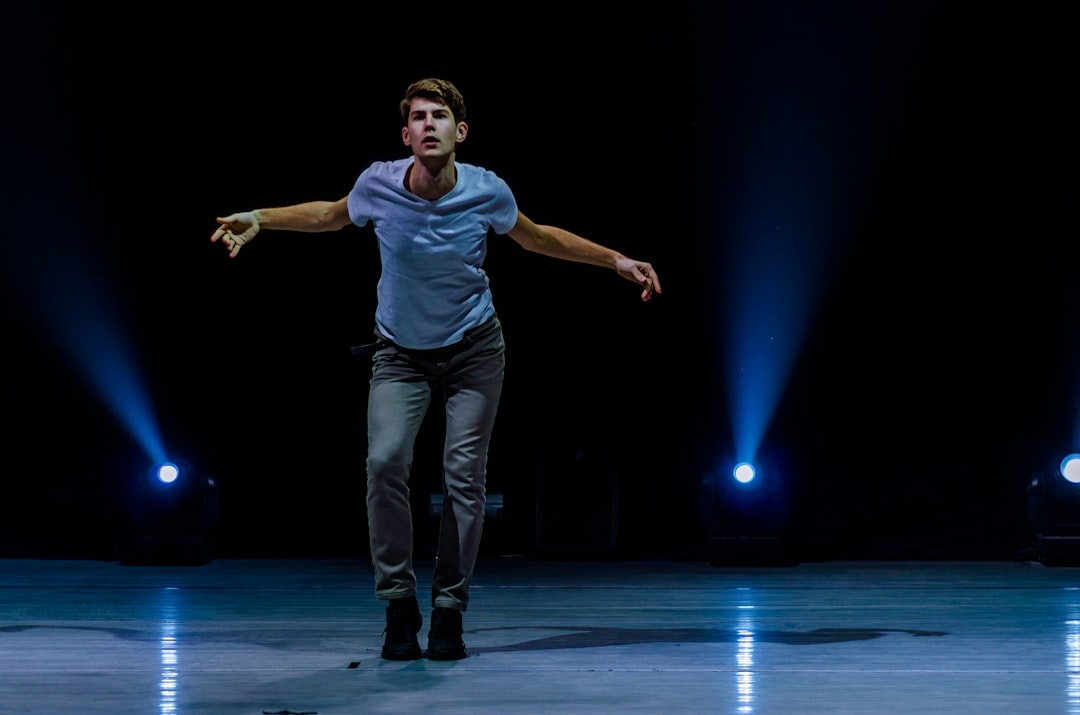
If you're training seriously toward a professional ballet career, you already know the statistics: thousands of pre-professional students compete for dozens of company contracts each year. The dancers who make it share more than talent—they build strategic foundations early, develop resilient mindsets, and understand exactly how the industry operates.
This guide outlines the essential steps that separate successful professionals from talented dancers who never break through.
Step 1: Secure Professional Training at the Right Time
Most professional ballet careers begin with training started between ages 8 and 12. If you're within or approaching this window, urgency matters.
What to look for in a training program:
| Criteria | Why It Matters |
|---|---|
| Affiliation with a professional company | Schools like School of American Ballet, Royal Ballet School, and Paris Opera Ballet School provide direct employment pipelines |
| Faculty with former professional careers | Dancers who performed at major companies understand current industry standards |
| Regular performance opportunities | Stage experience separates audition-ready dancers from studio-trained ones |
| Age-appropriate pointe progression | Premature pointe work causes career-ending injuries |
Critical milestone: Apply to selective summer intensive programs by age 14. These function as extended auditions—many year-round program invitations and company apprenticeships originate here.
Step 2: Master Technique Beyond the Classroom
Strong technique isn't automatic from attendance. It requires deliberate, analytical practice.
Focus areas:
- Alignment and turnout: Work with mirrors and video analysis to identify compensations
- Movement quality: Study how professional dancers execute the same steps you perform—note differences in timing, breath, and intention
- Specific weaknesses: Take private coaching for persistent technical gaps; group classes rarely address individual deficiencies
Supplement daily classes with Pilates, Gyrotonic, or floor barre to build deep stabilizing muscles that prevent injury and enable technical advancement.
Step 3: Build Dance-Specific Physical Capacity
Ballet demands exceptional strength relative to body weight and flexibility within stable joints.
Targeted conditioning:
| Area | Exercises | Ballet Application |
|---|---|---|
| Core | Planks, dead bugs, Pallof presses | Spinal stability for turns, extensions, and partnering |
| Lower body | Single-leg squats, calf raises, clamshells | Jumps, pointe work, and controlled landings |
| Upper body | Rows, push-ups, shoulder stabilization | Partnered lifts and arm port de bras |
| Flexibility | Dynamic stretching, PNF techniques, yoga | Range of motion without joint instability |
Avoid hypermobility training without simultaneous strength work—loose joints without muscular control end careers.
Step 4: Develop Musical and Repertory Literacy
Directors hire dancers who arrive prepared. This means knowing the choreography before the first rehearsal.
Essential preparation:
- Score-reading fundamentals: Understand time signatures, downbeats, and musical phrasing to interpret choreography accurately
- Core repertory knowledge: Study Balanchine, Petipa, and MacMillan works—these appear in nearly every major company audition
- Video analysis: Record yourself performing variations, then compare against professional recordings to identify gaps in interpretation, timing, and style
- Piano class: If available, train with live accompaniment to develop responsive musicality
Step 5: Navigate the Industry Strategically
Ballet's employment ecosystem operates through relationships and visibility.
Build your network deliberately:
- Attend company performances to observe current repertoire and dancer profiles
- Participate in masterclasses with visiting choreographers and répétiteurs—these often lead to guesting opportunities or recommendations
- Maintain professional communication with all teachers and coaches; the field is interconnected, and reputations travel
- Create a digital presence: quality performance footage, professional headshots, and updated resumés accessible through personal websites or platforms like Dancers' Group
Step 6: Manage the Psychological Demands
The pre-professional years involve constant evaluation. Resilience is a trainable skill.
Sustainable practices:
- Set process goals (improvement in specific technical elements) alongside outcome goals (company placement)
- Build identity outside dance to maintain perspective during setbacks
- Develop peer relationships based on mutual growth rather than competition
Step 7: Process Rejection Productively
Rejection is structural, not personal. Companies maintain specific height requirements, aesthetic preferences, and current roster needs that exclude qualified dancers arbitrarily.
Response strategies:
- Request feedback when possible, recognizing directors may not respond
- Analyze whether rejection patterns suggest technical, physical, or presentational gaps
- Diversify audition targets across company tiers and geographic regions
- Consider whether additional training time or a second company position would strengthen future applications
Step 8: Prioritize Injury Prevention and Recovery
A single untreated injury ends more careers than talent deficits.
Preventive infrastructure:
- Establish relationships with sports medicine








