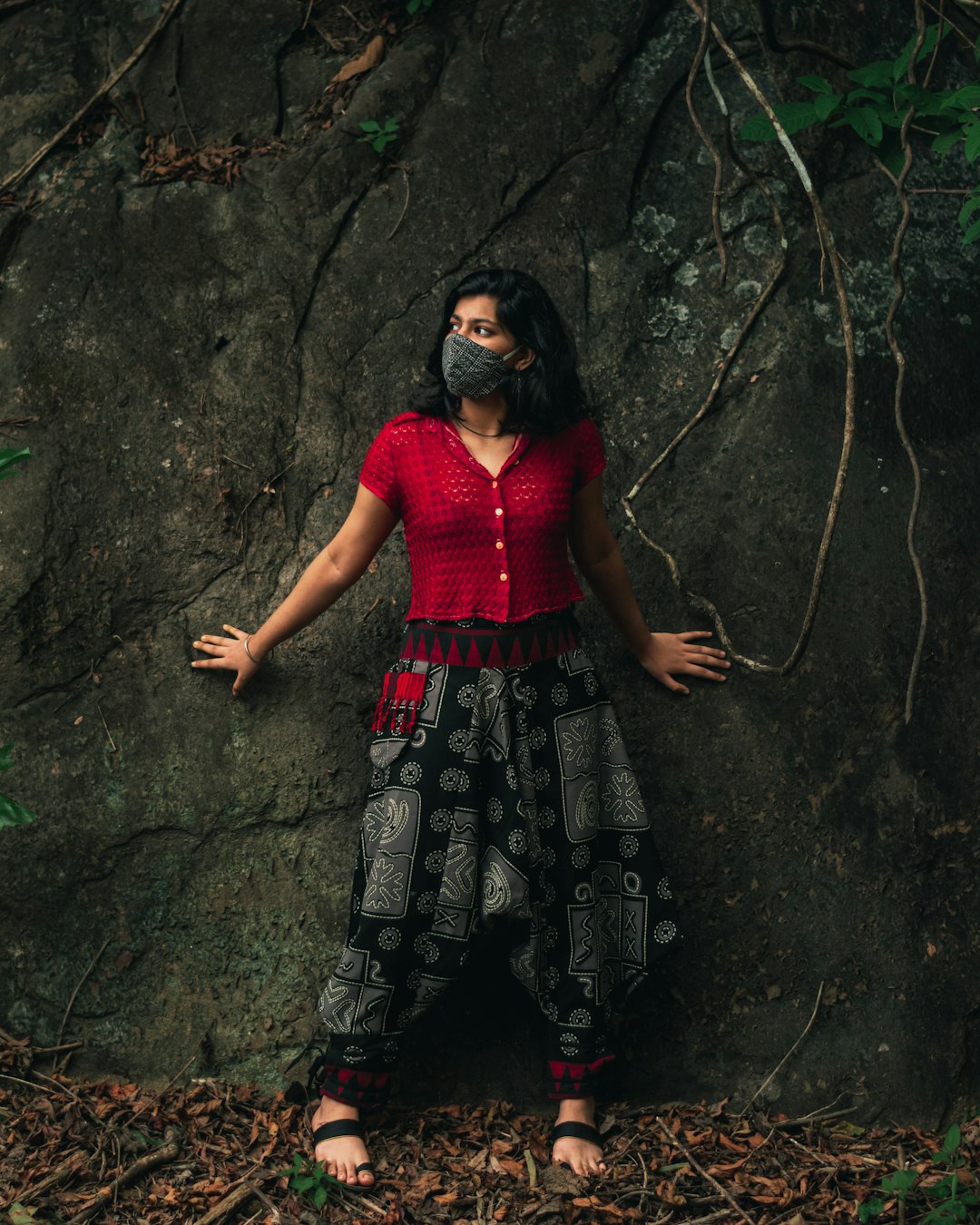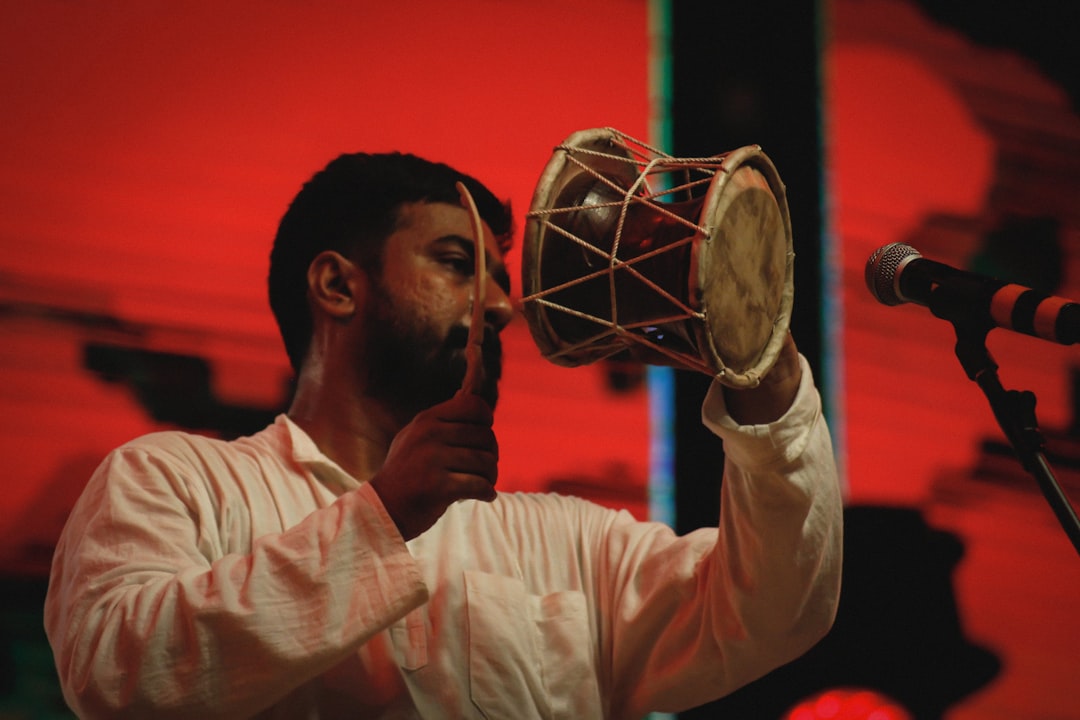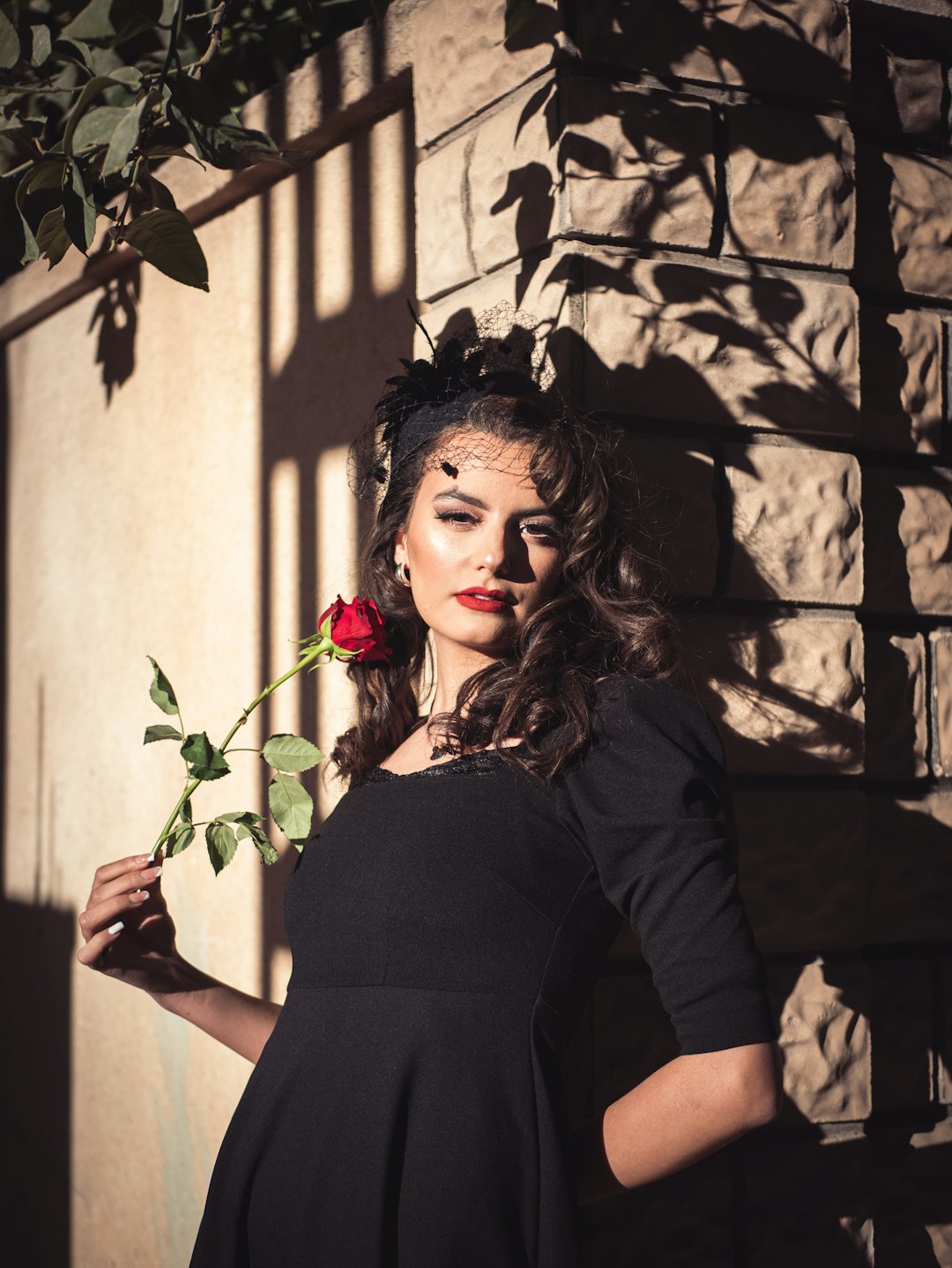
Raqs sharqi—literally "eastern dance"—is a physically demanding performance art with deep cultural roots in the Middle East, North Africa, and Mediterranean regions. For those drawn to its intricate isolations, emotional musicality, and rich history, the path from student to professional requires more than passion. It demands technical rigor, cultural humility, and business acumen.
This guide outlines four distinct phases of professional development, with specific benchmarks and practical considerations often omitted from aspirational career advice.
Phase 1: Apprenticeship (Years 1–3)
Master the Fundamentals Before You Monetize
Aim for 2–3 years of consistent weekly classes before pursuing paid work. This timeline allows for:
- Technical development: Precise hip work, fluid arm pathways, and controlled shimmies require muscular conditioning that cannot be rushed
- Musical literacy: Study Middle Eastern rhythms (maqsum, baladi, saidi, chiftetelli) until you can identify them by ear and improvise appropriately
- Regional knowledge: Understand stylistic differences between Egyptian (classic and modern), Turkish, and Lebanese schools—each carries distinct posture, movement vocabulary, and cultural associations
Red flag: Instructors who promise "professional certification" in under six months. Competence in this art form cannot be fast-tracked.
Seek teachers with documented training lineage—ideally, those who have studied directly with Egyptian, Turkish, or Lebanese masters, or with Western instructors who have. Attend workshops with international artists when possible. Supplement local training with online intensives focused on specific skills: zill (finger cymbal) technique, veil dynamics, or drum solo interpretation.
Cultural context is non-negotiable. Before performing publicly, understand the social origins of belly dance as celebratory, communal expression—and how its translation to Western stage and restaurant settings involves complex negotiations of representation.
Phase 2: Artistic Development (Years 2–4)
Find Your Voice Within Tradition
Develop your style within established regional traditions. Innovation requires knowing the rules before respectfully bending them.
Concrete pathways to distinction:
| Approach | Requirements | Examples |
|---|---|---|
| Prop mastery | Dedicated training beyond basic choreography | Veil, zills, sword, cane, or fan veils—each demands separate technical study |
| Fusion work | Verified competence in both idioms | Flamenco-arabic, tribal fusion, or contemporary belly dance require training in the secondary form |
| Musical specialization | Deep repertoire knowledge | Classic Egyptian orchestral, modern shaabi, or Turkish Romani styles |
Calculated risks—such as fusing belly dance with trained skills in other dance forms—can distinguish your work. However, technical mastery in both idioms is essential. Audiences and informed clients recognize when fusion lacks foundation.
Costuming represents significant investment. Expect to spend $800–$2,500 for professional-grade Egyptian or Turkish sets before your first paid performance. Avoid mass-produced "belly dance costumes" from generic retailers; they signal amateur status to knowledgeable bookers.
Phase 3: Community Integration & Early Performance (Years 3–5)
Build Reputation Through Presence, Not Promotion
Networking in belly dance differs from generic creative industries. Prioritize reciprocal community participation over self-promotion:
- Attend haflas (dance parties), not just formal shows, to meet colleagues in low-pressure settings
- Volunteer at festivals to access educational programming and organizer relationships
- Study with the same teachers repeatedly—deepening one relationship yields more than surface exposure to many
Collaboration structures to pursue:
- Troupe membership: Structured rehearsal processes teach ensemble dynamics and choreographic discipline
- Musician partnerships: Working live with Arabic, Turkish, or Balkan bands develops improvisational responsiveness that recorded music cannot replicate
- Cross-disciplinary projects: Theater, visual art, or film collaborations expand your performance range
Early paid work often comes through teacher referrals or community visibility rather than marketing materials. Decline underpaid or exploitative opportunities—accepting below-market rates devalues the entire professional community.
Phase 4: Professional Infrastructure (Year 4+)
Assemble Business Systems for Sustainability
The Professional Portfolio
Your promotional materials must meet industry standards:
- Showreel: 60–90 seconds of uninterrupted, high-quality performance footage with clear audio
- Stills: 8–10 high-resolution images showing range (costume changes, emotional states, prop work if applicable)
- CV: One page documenting training lineage, performance history, and specialized skills
Market Positioning
Research local market rates through direct conversation with established professionals. Typical U.S. ranges (2024):
| Venue Type |