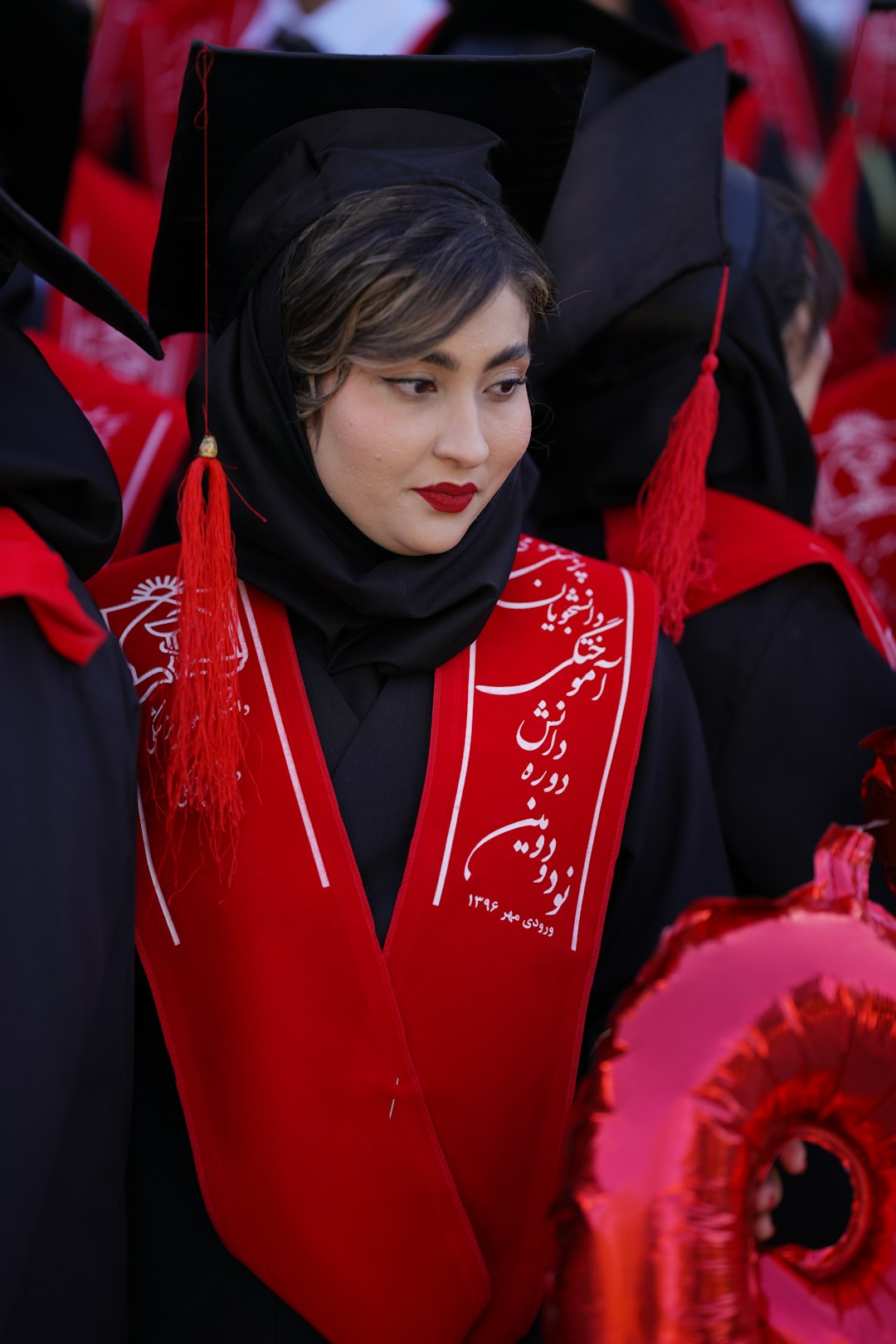
In 2023, American contemporary dancers reported median incomes of $28,400—yet enrollment in university dance programs continues rising. The disparity between training investment and financial reality defines this field. Contemporary dance offers profound artistic fulfillment, but building a sustainable career requires navigating economics, geography, and physical longevity that formal education rarely addresses. Here's what the studio won't teach you.
1. Build Technical Fluency—Then Question It
Contemporary dance demands more than "a strong foundation." You need embodied literacy across multiple lineages:
- Ballet: Not for aesthetics, but for alignment clarity and injury prevention
- Modern techniques: Graham for contraction/release, Cunningham for rhythmic precision, Limón for breath and weight
- Release techniques: Skinner Releasing, Klein Technique, or Alexander Method to undo tension patterns
- Somatic practices: Body-Mind Centering, Feldenkrais, or BMC to develop internal awareness
Frequency matters: Three technique classes weekly maintains baseline; six to eight builds professional readiness. But technique alone won't distinguish you. The field overflows with technically proficient dancers. What separates working professionals is intelligent physicality—the ability to adapt technique to diverse choreographic demands.
Action step: Audit your training. If you cannot articulate the lineage of each class you take (Where did this teacher study? What aesthetic does this technique serve?), you're collecting movements without context.
2. Find Your Artistic Voice Through Physical Research
"Unique style" suggests a finished product. Contemporary dance rewards ongoing research—systematic investigation of your specific questions about movement, meaning, and form.
Methodologies to explore:
- Improvisation scores: Structured frameworks (Nancy Stark Smith's "Underscore," Lisa Nelson's "Tuning Scores") that generate material without predetermined outcomes
- Cross-training: Martial arts (capoeira, aikido) for spatial awareness and falling technique; visual arts for compositional thinking; voice work to integrate text and movement
- Site-specific practice: Dancing in non-theatrical environments to dissolve your relationship with audience and architecture
- Interdisciplinary collaboration: Working with composers, lighting designers, or filmmakers before you "need" to
Risk-taking in contemporary dance means: integrating spoken text, manipulating objects as extensions of body, working with exhaustion states, or dissolving the proscenium frame through immersive staging. It does not mean "being different" arbitrarily.
Action step: Dedicate two hours weekly to self-directed research. Document everything. Your "style" emerges from accumulated choices, not declaration.
3. Navigate the Economics
Before networking, understand what you're networking toward. Contemporary dance economies vary dramatically by region and contract type.
Income realities:
| Path | Typical Range | Stability |
|---|---|---|
| Repertory company (mid-tier) | $28,000–$45,000 | Seasonal contracts, benefits rare |
| Project-based/ freelance | $15,000–$35,000 + teaching | Unpredictable; teaching often 50%+ of income |
| Established international companies | $40,000–$75,000 | Highly competitive; limited positions |
| Choreographer-led small companies | Often below minimum wage | "Passion" exploitation common |
Essential structures:
- Unions: AGMA (American Guild of Musical Artists) covers major companies; Equity for theater-venue work. Union contracts include health contributions, overtime, and safety protocols.
- Grants: Individual artists can access NEA, state arts councils, and foundations (Dance/USA, Foundation for Contemporary Arts). Learn grantwriting early—it's a core professional skill.
- Teaching: University positions increasingly require MFAs; K-12 certification expands options. Private studio teaching stabilizes income but consumes physical and temporal resources.
Health insurance: The artist's perpetual crisis. ACA marketplace plans, Medicaid expansion states, and union eligibility windows require strategic navigation. Career-threatening injuries (ACL tears, labral hip damage, stress fractures) occur frequently; inadequate coverage ends careers.
Red flags: Companies requesting unpaid "apprenticeships" beyond six months; contracts without injury compensation; choreographers who "don't believe in" technique class. Sustainable careers require sustainable workplaces.
4. Network With Precision
"Building relationships" fails without specific tactics. Contemporary dance operates through reputation economies—your name travels through observed behavior, not resumes.
Post-show approaches that work:
- Specific observation: "Your use of stillness in the third section changed how I think about negative space" rather than "I loved your show"
- Contextual question: "That transition from floor to standing—were you working with Alexander Technique, or something else?"
- Offered resource: "I know a composer who works with similar rhythmic structures—shall I connect